 Skip to content


What Really Happens When a Cruise Ship Loses Power Mid-Voyage
For most people, a cruise holiday conjures images of sunset cocktails, ocean views and days spent drifting between dreamy destinations. But every so often, reality intrudes in a less glamorous way: the lights flicker, the engines slow, and suddenly the ship appears to have lost power.
It sounds dramatic — and thanks to documentaries about infamous cruise disasters, many travellers imagine the worst. Yet cruise experts say that while power failures do happen at sea, they are rarely as catastrophic as people fear.
In fact, according to travel specialists, power or propulsion issues occur more often than passengers realise, but modern cruise ships are designed with multiple safety systems to prevent them becoming true emergencies.
Why Cruise Ships Sometimes Lose Power
Cruise ships are essentially floating cities powered by complex electrical systems. Like any large mechanical operation, things can occasionally go wrong.
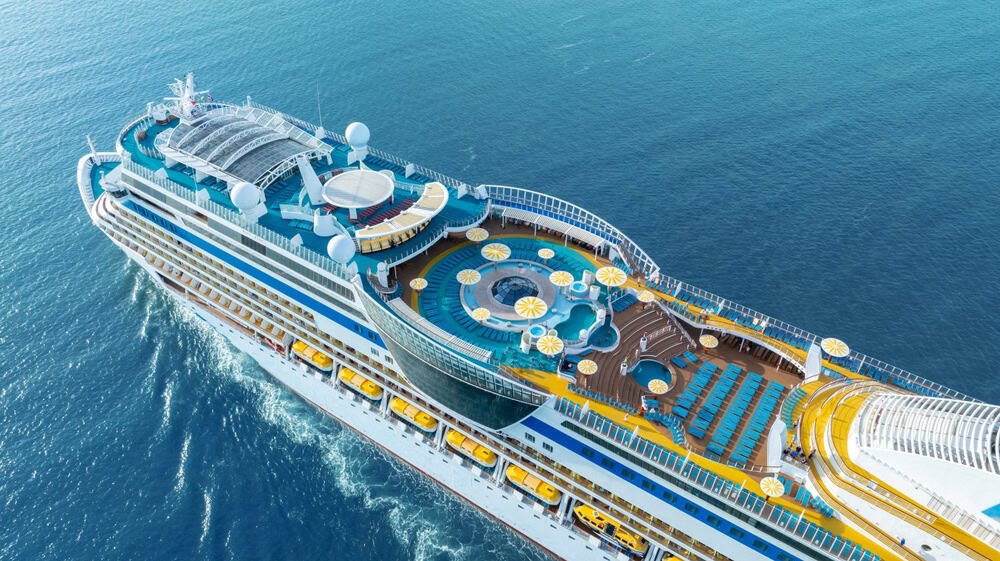
Engine faults, electrical failures, or even small onboard fires can interrupt the main power supply, leaving a ship temporarily without its usual propulsion or lighting. Cruise expert Mark Barton, working with travel insurance provider Avanti Travel Insurance, says several high-profile incidents made headlines in 2025 alone.
“These incidents are more common than people realise,” Barton explains. “But there’s rarely any reason for passengers to panic.”
That reassurance comes down to the extensive backup systems built into modern cruise ships.
The Emergency Systems That Kick In
If a ship’s main electrical power source fails, the vessel automatically switches to emergency generators. These backup units are typically located on higher decks, separate from the main engines, and have their own independent fuel supply.
Their job is to keep the most critical systems running.
Emergency generators power essential lighting throughout the ship, maintain fire detection systems, and keep communication channels open so the crew can remain in contact with shore authorities. In many cases, they can even provide enough electricity to restart the engines.
For passengers, this usually means that while the ship might slow down or temporarily pause its journey, life on board continues.
The biggest inconvenience is often a change to the itinerary. Ports of call may be skipped, or the ship might travel at reduced speed while engineers assess the situation.
One Thing Passengers Should Never Do
In the unlikely event that a ship does experience a temporary power loss, Barton says there’s one mistake passengers should avoid at all costs: lighting candles.
“It might seem like the natural thing to do when your cabin suddenly goes dark,” he says. “But candles are extremely dangerous on a vessel.”
Even a small flame can quickly become hazardous. Ships are constantly moving, and in tight cabin spaces a candle can easily tip over, potentially starting a fire that spreads rapidly.
Instead, Barton recommends simply using a flashlight or phone light until the ship’s emergency lighting system activates.
When the Journey Has to Change
While most incidents are resolved relatively quickly, there are occasions when the disruption becomes more serious.
If engineers cannot restore propulsion, the ship may have to drift until repairs are completed or until it can reach the nearest port. In rare cases, vessels may even be towed for safety reasons.
Sometimes the disruption affects travellers who haven’t even boarded yet.
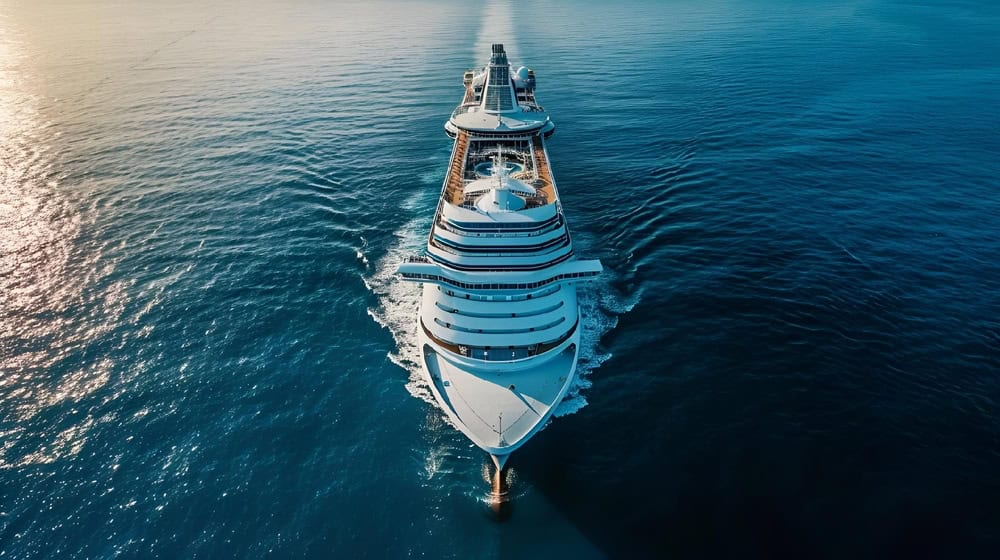
One frustrated traveller recently described on Reddit how a mechanical issue on an MSC cruise forced a last-minute cancellation before passengers could embark.
She and her partner had already arrived in Genoa, Italy, expecting to start their voyage that day.
“My boyfriend and I were supposed to board the ship today and last minute told us that the cruise is cancelled,” she wrote. “We’re now stuck in Genoa with no plan for our vacation.”
Stories like these highlight how even minor technical issues can ripple outwards, affecting thousands of travellers.
Why Cruise Insurance Matters
Because cruise holidays involve complex logistics — ships, ports, flights and accommodation — disruptions can quickly become expensive.
Barton advises passengers to carefully review their travel insurance policies before departure. Cruise-specific coverage can help protect travellers if a ship experiences mechanical problems, misses scheduled ports, or if a voyage is cut short.
“In most cases, cruise travel insurance provides valuable protection if your holiday is unexpectedly disrupted,” he says.
Policies may cover missed ports of call, emergency medical situations, or repatriation costs — which can run into thousands of pounds.
A Rare Event — But One Worth Understanding
Despite the occasional headline-grabbing incident, cruise ships remain one of the safest forms of travel. Modern vessels are engineered with multiple redundant systems specifically designed to prevent passengers from being left helpless at sea.
Still, experts say it’s always wise for travellers to understand how these systems work and what to do if something unusual happens during their trip.
Because when you’re thousands of miles from shore, preparation and a little knowledge can make all the difference between a moment of confusion — and an unforgettable travel disaster.
Read more from Ravish Magazine, your essential UK lifestyle magazine for food, travel and culture.