



Bensons for Beds Teams Up with Osteopath offering simple tips for pain sufferers
Chronic back pain regularly affects almost 3m adults in the UK,1 and according to new research from the British Chiropractic Association, more people are experiencing back or neck pain each week than they were five years ago. Many experts put this down to changes in our lifestyle, such as more people working from makeshift home desks plus increased weight gain in lots of the population.
Back pain is often inextricably linked to sleeping. Whether it’s difficulty nodding off because of the pain, or the positions we sleep in causing discomfort, recent data from Bensons revealed that 43 per cent of Brits report that their mattress causes them more discomfort than it does relief and that they regularly have pain in the lower back (56 per cent) or the neck (36 per cent).
To lend a helping hand to those suffering, Bensons for Beds has joined forces with Mr Michael Fatica, Lead Osteopath and Co-founder of BackInShapeProgram.com, to raise awareness of some simple bedtime habits that can dramatically improve sleep quality for those living with chronic back or joint pain.
Mr Fatica, who has helped thousands of people learn how to sleep with and manage back pain through his dedicated online rehabilitation program, is urging people to adopt better “back hygiene”—starting with their sleeping position.
So, what are the sleeping positions that we should be avoiding, and which are best positions to help with back pain? Michael explains:
“The best sleeping position for back pain by far is on your side as it encourages a neutral spine. Use a pillow between your knees to maintain alignment and to reduce pressure on the hips and lower back. Aside from knee support, an extra pillow can also help align your neck or fill gaps in support around the body.”


And what sleeping positions to avoid in bed? Michael says these positions can worsen back and neck pain:
- The fetal position—where you lie on your side with your knees drawn up toward your chest—is one of the most common sleep postures, often associated with comfort and emotional security. However, when you curl too tightly, it can create excessive rounding of the spine, particularly the lower back and neck. This unnatural curvature may overstretch spinal ligaments and muscles, leading to stiffness or exacerbating pre-existing pain, especially in the morning. Keeping the chin tucked down toward the chest can strain the cervical spine, contributing to neck pain and potentially causing tension headaches.
- Unsupported side-lying: Side-lying is often considered a healthy sleeping position, but without proper support, it can contribute to spinal misalignment—especially in women, who generally have a wider pelvis. This anatomical difference can cause the top leg to rotate downward during sleep, pulling on the lower spine and creating a twisting effect. Without a pillow placed between the knees to maintain hip alignment, this posture can place undue pressure on the lower back and sciatic nerve. Over time, this may aggravate or even trigger symptoms of sciatica, including pain, numbness, or tingling that radiates from the lower back down the leg.
- Sleeping on your front: Sleeping on your stomach is one of the most debated positions among sleep and spine experts. On one hand, it can help reduce pressure on the lower back for some people—especially when using a firm mattress that prevents the hips from sinking too deeply. In cases of certain types of disc issues or degenerative conditions, this position might offer temporary relief. However, the major drawback is what it does to the neck. Since breathing face-down isn’t practical, stomach sleepers must turn their head to one side for extended periods, which can create extreme rotation in the cervical spine. This unnatural twist can strain the neck muscles, compress nerves, and even lead to chronic pain or stiffness.
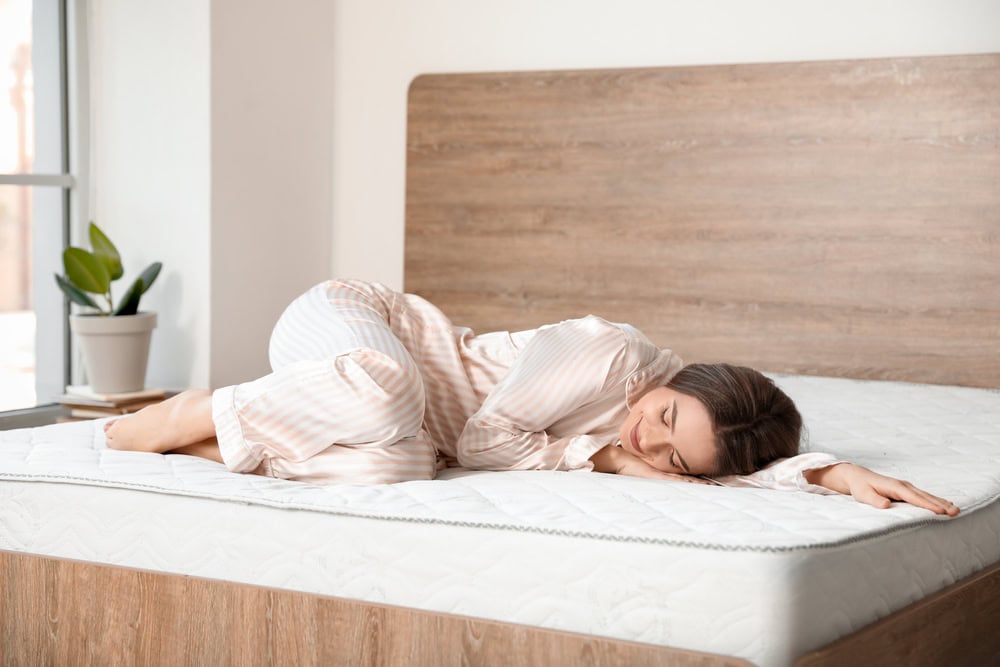
Fatica also warns that the final hours before bed are crucial to a healthy back and reducing pain. ““For many of us, the last couple of hours leading up to bedtime are often spent sat in front of the TV or other electronic devices, and often with poor posture. Gone are the days when advert breaks encouraged us up, for example, to make a hot drink and move around. We then go straight from sitting, which significantly compresses the discs in the vertebrae, to lying in bed for hours, and so naturally the back will suffer over such a long period of inactivity.”
Michael’s Top 3 Tips for a Back-Healthy Bedtime:
- Move more before bed: Light stretching, such as hamstring or hip flexor stretches, can offset the strain from sitting.
- De-stress: Stress tightens muscles and aggravates back issues. A calming bedtime ritual—like reading, gentle music, or deep breathing—can support both mental and physical health.
- Alternate hot & cold: A warm bath stimulates circulation and eases muscle tension, while icing reduces inflammation. Combining both can aid tissue recovery and prep the body for rest.
The UK bed specialist has combined a run-down of mattresses to help with back pain. If you’re looking to find out how to sleep better with back or neck pain, these include:
- Ortho by Slumberland – Bensons new Ortho mattress range features an exclusively designed Apex Max Pro™ Pocket Spring System which is proven to add a 20% increase in support vs a standard pocket sprung unit, offering a personalised feel and a responsive level of support usually only achieved with a mattress costing much more than the Ortho’s £799.99 starting price for a double.
- Sealy Posturepedic mattress – This mattress features spring technology which senses your shape and has edge support for added stability. An indulgent Latex layer adapts perfectly to your body for resilient, pressure relieving support, and there’s also a layer of premium InfiniLux™ foam for a luxurious feel.
- Simply Orthopaedic pocket spring mattress – features 600 pocket springs which adapt individually to body movement, for superior responsive support. The mattress is constructed with some clever orthopaedic firm layers designed to offer support and promote spinal alignment for a comfortable night’s sleep, every night.
Bensons for Beds’ Brand Marketing Manager, Rachel Marshall adds: “At Bensons for Beds, we’re committed to helping everyone find their perfect sleep solution. We all sleep so differently and there’s no ‘one size fits all’ when it comes to mattresses, which is why an in-store consultation to find the best one for you is highly recommended. With your perfect mattress combined with our tips from Michael, we hope that everyone can seek out a healthy and restorative sleep, free from pain.”
For further advice visit the Bensons for Beds website.


