


The Dangerous Rise of Britain’s ‘Quick Fix’ Weight-Loss Culture
As temperatures begin rising across the UK, many people are digging summer clothes out from the back of wardrobes for the first time this year — and for some, the experience is triggering a familiar wave of body anxiety.
Searches for “best weight loss medication” have surged by an astonishing 5,000% in the last 30 days alone, according to Google Trends, while medications such as Ozempic and Mounjaro continue moving rapidly into mainstream culture.
What was once considered a niche medical treatment has quickly evolved into one of Britain’s fastest-growing wellness obsessions. An estimated 1.6 million people are currently using weight-loss drugs between 2024 and 2025, while a further 3.3 million say they would consider using them over the next year.
But experts now warn the trend may reflect something much deeper than simple dieting.
A Growing National Body Image Crisis
New analysis of YouGov data from March suggests body dissatisfaction has become widespread across Britain.
Nearly half of adults (46%) say they are unhappy with their weight or appearance, with women disproportionately affected. Just over half of women surveyed (51%) reported dissatisfaction with how they look, compared to 41% of men.


Perhaps more surprisingly, people aged between 50 and 64 reported the lowest body confidence overall, suggesting body image pressure is no longer confined to younger generations alone.
While younger adults appeared slightly more accepting of their appearance on paper, clinicians warn this may not tell the full story. Younger generations remain the most exposed to social media-driven beauty standards, rapid transformation content, and heavily edited before-and-after videos that dominate platforms such as TikTok and Instagram.
The Rise of the “Quick Fix” Culture
According to clinicians, the conversation around weight loss has shifted dramatically in recent years.
It is no longer simply about becoming healthier or losing weight gradually. Increasingly, people are chasing rapid physical transformation — often expecting dramatic changes within weeks rather than months.
Doctor Amir Afzul, Senior Research Physician at Panthera Clinic, says social media has fundamentally altered expectations surrounding weight loss.


“We’re seeing a major shift in how people approach their bodies,” he explains. “Highly edited transformation content is normalising rapid weight loss, prescription drug use, and cosmetic procedures after slimming down, making extreme change appear quick and routine.”
The problem, he says, is that reality rarely matches the online fantasy.
“Even when people achieve significant weight loss, many still don’t feel satisfied because expectations move faster than reality.”
Experts warn this creates what clinicians describe as an “expectation gap” — where rapid transformation becomes the goal, rather than long-term health or wellbeing.
Why Weight-Loss Drugs Are Becoming So Popular
The growing popularity of GLP-1 medications such as Ozempic and Mounjaro reflects a broader cultural shift away from traditional dieting methods.
Awareness of weight-loss medications now stands at 71% nationwide, showing just how quickly these drugs have entered public consciousness.
For many people, they appear attractive because they promise something traditional diets often struggle to deliver: speed.
In a culture increasingly driven by instant gratification, viral transformation stories, and comparison-based social media feeds, slower lifestyle changes can feel less appealing.
But clinicians stress that these medications are not miracle solutions.
When used incorrectly — especially without medical supervision — experts warn they can lead to serious side effects, including nutrient deficiencies, fatigue, muscle loss, rebound weight gain, and long-term health complications.
The Dangerous Mistakes Experts Say People Are Making
As demand for rapid weight loss continues rising, clinicians say more people are falling into unhealthy patterns fuelled by urgency and online misinformation.
One of the biggest concerns is the growing number of people accessing weight-loss injections without proper medical guidance.

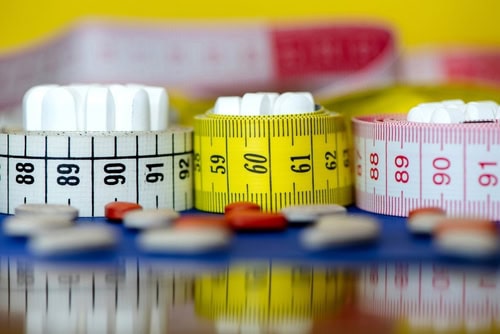
“Weight-loss jabs are not quick fixes,” Dr Afzul says. “They should only ever be used alongside proper medical supervision, nutrition support, physical activity, and ongoing monitoring.”
Experts are also warning against:
- extreme starvation diets
- unrealistic overnight expectations
- relying on TikTok advice instead of doctors
- ignoring the emotional side of body image struggles
Rapid weight loss itself can sometimes create additional problems, including hair loss, fatigue, hormonal disruption, and muscle depletion.
Why Experts Say Mental Health Matters Just as Much
Perhaps most importantly, clinicians warn that no amount of physical change automatically guarantees happiness or confidence.
Feelings of comparison, urgency, and dissatisfaction often continue even after significant weight loss, particularly when expectations are shaped by heavily filtered online content.
“Long-term success depends on both physical and psychological wellbeing,” Dr Afzul explains. “People need to look after their relationship with food and their body, not simply chase rapid changes.”
As summer approaches, Britain’s growing obsession with weight-loss jabs highlights how deeply appearance pressures have become embedded within modern culture.
For many people, the issue is no longer simply about health or fitness. It is about trying to keep pace with impossible online ideals in a world where transformation is constantly marketed as instant, effortless, and essential.
Experts say the challenge now is helping people separate genuine health goals from the relentless pressure to achieve perfection overnight.
Original research and expert commentary provided by Panthera Clinic.


