



The Rise of the ‘Little Treat’ — And Why Brits Won’t Give Them Up
There was a time when a takeaway or a midweek coffee felt like a spontaneous indulgence.
Now? It’s something many people are actively budgeting for.
New research suggests that the idea of the “little treat” has quietly evolved from a casual pick-me-up into something far more significant — a monthly ritual that people are unwilling to give up, even in the face of rising living costs.
The Treat That’s Become Non-Negotiable
For most Brits, a “little treat” isn’t just about spending money — it’s about feeling better.
Nearly three-quarters of people now say these small indulgences play an important role in their wellbeing. Whether it’s a takeaway, a coffee, or a new skincare product, these moments have become a reliable way to reset after a long week.
And increasingly, they’re being treated as essential.
When Treats Come Before the Essentials
What’s perhaps more surprising is just how far people are willing to go to keep these rituals in their lives.
Almost a third of Brits admit they would cut back on their grocery budget to afford their monthly treat. Others are willing to reduce savings, travel less, or even scale back on socialising — all to protect that one small moment of indulgence.
It’s a shift that says a lot about modern life.
Because while budgets are tightening, the need for something to look forward to hasn’t gone anywhere.
More Than Just a Coffee
The phrase “little treat” might suggest something small — but for many, it’s become something much bigger.
While some people are happy spending around £25 to £50 a month, others are going well beyond that, with a significant number willing to spend up to £200 on things that bring them comfort or joy.

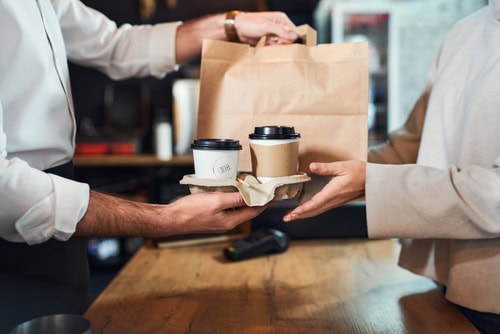
And it’s not always impulsive.
More people are now planning ahead, setting aside money specifically for these moments, turning what was once spontaneous into something intentional.
What Brits Are Actually Treating Themselves To
The definition of a “little treat” varies — but some favourites are clear.
Takeaways top the list, followed closely by coffees, meals out, and fashion purchases. Streaming services, skincare, and even books all feature too, showing how the idea of treating yourself has expanded beyond food and into everyday lifestyle habits.
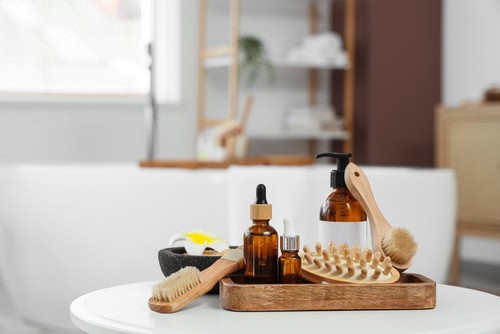
In many ways, it reflects how people are choosing to spend their time as much as their money.
A Country Divided by Treats
Where you live also plays a role.
Cities like Liverpool and Norwich place the highest value on their monthly indulgences, while others, such as Swansea, are slightly less reliant — although the majority still consider them important.
Spending habits differ too, with some areas willing to spend significantly more than others for the same small moments of enjoyment.
The Psychology Behind It
At its core, this trend isn’t really about spending.
It’s about control.


In a world where bigger financial decisions feel uncertain, smaller ones — like buying a coffee or ordering a takeaway — offer something immediate and reassuring.
A quick mood boost. A moment of comfort. Something to break up the routine.
And for many, that’s worth protecting.
The New Shape of Everyday Indulgence
What started as a lighthearted idea has become something much more embedded in daily life.
The “little treat” is no longer just a trend — it’s part of how people are navigating modern living.
Not extravagant. Not excessive.
Just enough to make the day feel a little better.
Research and data provided by SumUp.
Ravish Magazine is the UK lifestyle magazine for modern inspiration across travel, food and wellbeing.


