


“Allergy Face” Explained: Why Your Skin Is Reacting to Hay Fever
If your skin suddenly feels irritated, puffy, or just not quite like itself, you’re not imagining it.
As temperatures rise across the UK, so do pollen levels—and with them, a noticeable spike in people searching for answers to something many are now calling “allergy face.” In fact, searches for the term have jumped recently, signalling just how common these seasonal skin changes have become.
While hay fever is often associated with sneezing and itchy eyes, its effects on the skin are often overlooked. But for many, it’s the face that shows the first signs.
What Is “Allergy Face” – And Why Is It Happening?
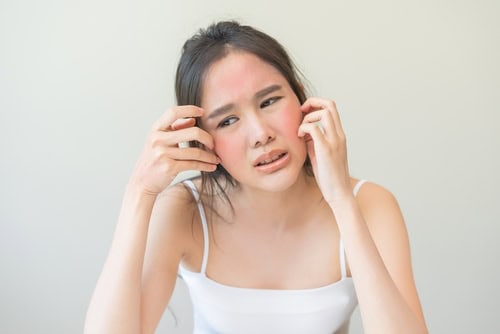
“Allergy face” isn’t a medical diagnosis, but it’s an increasingly recognised way of describing how skin reacts during allergy season.
Think puffiness around the eyes, redness, dryness, and a general feeling of sensitivity. It’s essentially your skin responding to inflammation triggered by allergens like pollen.
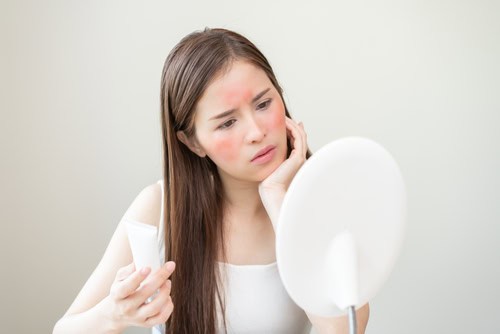
Rather than just surface-level irritation, what’s happening underneath is more complex. Your skin barrier—the protective layer that keeps moisture in and irritants out—can become compromised. When that happens, your skin becomes more reactive, dehydrated, and prone to flare-ups.
In simple terms: your complexion is under stress.
Why Your Skin Feels Worse in Spring and Summer
The key trigger is pollen, but it’s not the only factor.
Warmer weather, increased sun exposure, and environmental pollutants can all add to the pressure on your skin. If you’re already prone to sensitivity, this combination can quickly tip things over the edge.
The result? Skin that feels tight, looks dull, and reacts to products that normally wouldn’t cause a problem.
The Areas That Need the Most Attention
If there’s one place that shows allergy-related changes first, it’s the eye area.
This part of the face is naturally delicate, which makes it more vulnerable to irritation. Watering eyes, puffiness, and swelling are often early signs that your skin is reacting to allergens.


Keeping things simple here is key. Hydration, gentle care, and cooling treatments can go a long way in reducing discomfort and visible inflammation.
The Skincare Mistake That Could Be Making It Worse
One of the biggest triggers during allergy season? Fragrance.
When your skin barrier is already weakened, fragranced products can intensify irritation. That subtle scent in your cleanser or moisturiser might not usually cause a reaction—but during hay fever season, it can become a problem.
Switching to fragrance-free skincare isn’t just a trend—it’s one of the simplest ways to reduce unnecessary stress on your skin.
Why Your Skin Barrier Matters More Than Ever
If there’s one thing to focus on during allergy season, it’s repairing and protecting your skin barrier.

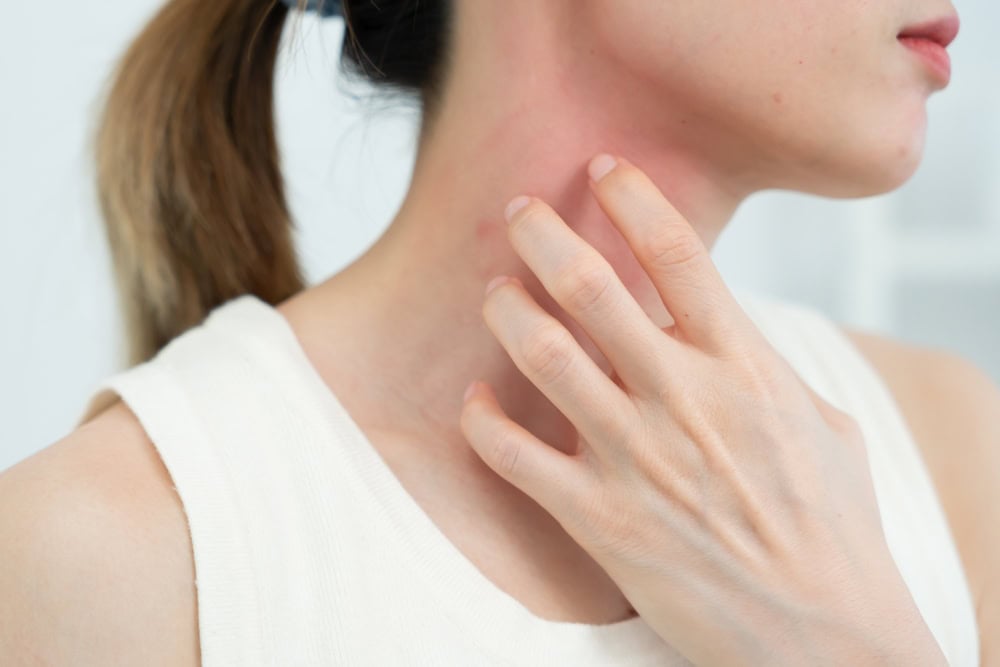
When this layer is strong, your skin is better equipped to defend itself against external irritants. When it’s compromised, allergens can penetrate more easily, leading to increased redness, dryness, and sensitivity.
Ingredients like ceramides and soothing formulations can help rebuild that barrier, restoring balance and resilience over time.
The Unexpected Technique That Can Help
Beyond skincare, there are other ways to manage the effects of “allergy face.”
One of the more underrated approaches is acupressure. By gently applying pressure to certain points on the face, it’s possible to reduce sinus pressure and fluid build-up—two of the main causes of puffiness.
It’s a simple, natural method that doesn’t require products or tools, yet many find it surprisingly effective.
How to Calm Your Skin When It Flares Up
When your skin is already irritated, less is more.
Harsh exfoliants, active ingredients, and overly complicated routines can make things worse. Instead, focus on calming and cooling the skin.
Cold compresses, chilled gel masks, and ice rollers can all help reduce inflammation and bring down redness. Combined with gentle, hypoallergenic skincare, this approach supports your skin rather than overwhelming it.
The Bottom Line
“Allergy face” might sound like a trend, but for many, it’s a very real part of the spring and summer months.
As pollen levels rise, so does the need to adapt your skincare routine. Paying attention to what your skin needs—rather than sticking rigidly to your usual products—can make all the difference.
Because when your skin is under pressure, the goal isn’t perfection—it’s protection, balance, and a little bit of relief.
Expert commentary courtesy of Fresha.
Read more from Ravish Magazine, your essential UK lifestyle magazine for food, travel and culture


