


From Viral Trend to Health Hazard: Why Fridgescaping Could Put Your Food Safety at Risk
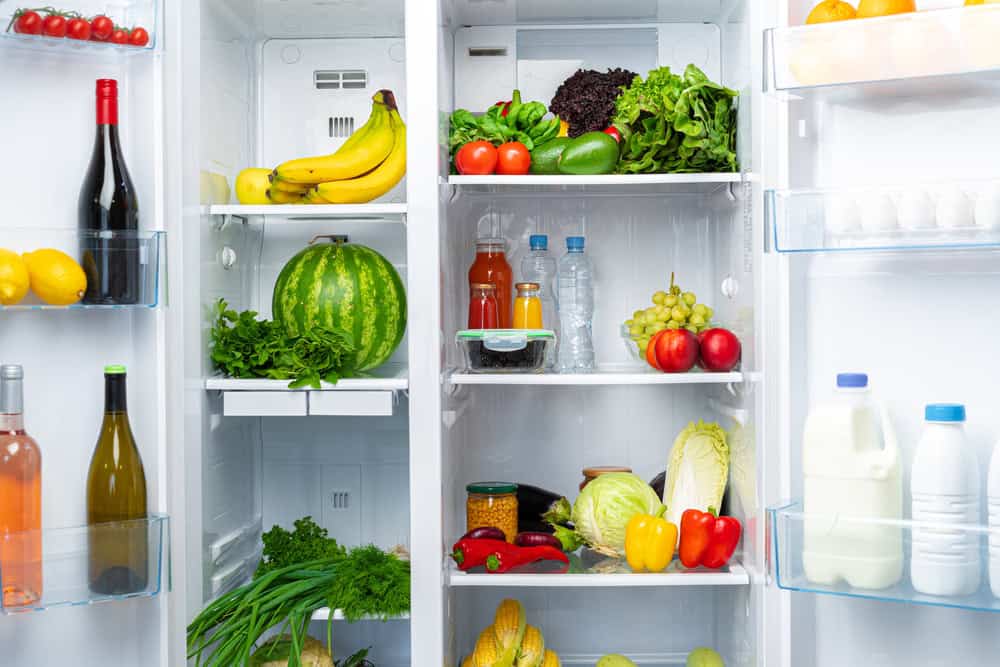
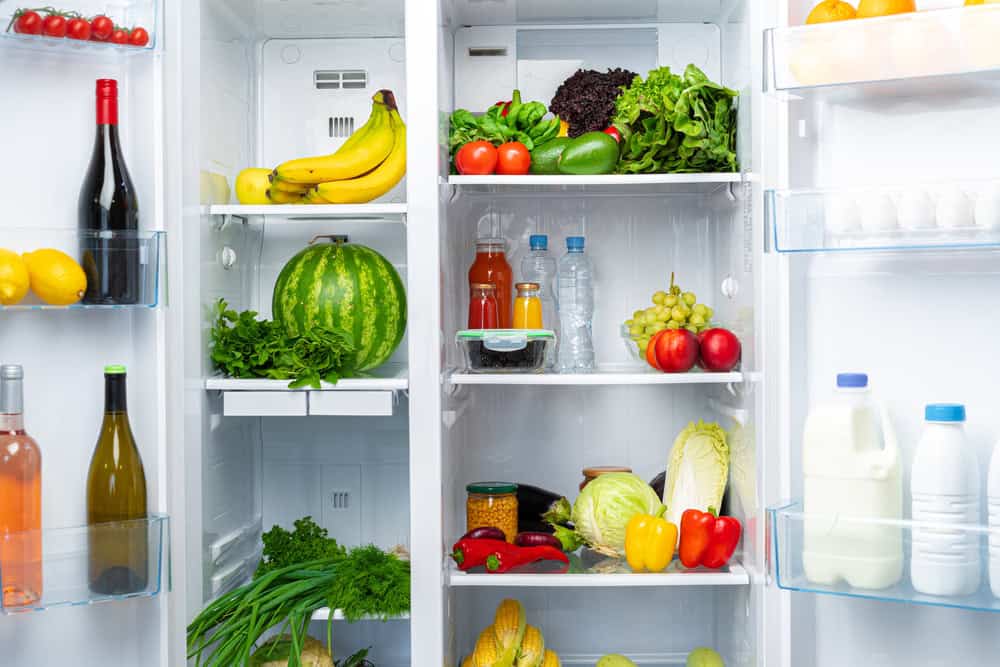
What started as a niche TikTok trend in 2024 has exploded into a billion-view obsession. “Fridgescaping”, where people decorate their fridges using flowers, picture frames, wicker baskets, and more for uplifting food storage ideas, is more popular than ever in 2026.
The trend, which blends the mundane with the aesthetic, has captivated viewers, with ‘fridgescaping’ racking 1.2 billion views globally.
While the trend offers an eye-catching way to organise your fridge, Mimi Morley, Senior Recipe Development Manager at HelloFresh, the world’s leading food box provider, raises concerns about the potential food safety hazards that come with incorporating everyday items into a space meant for food storage.
Mimi explains, “In 2024, we saw people adding a few flowers. In 2026 we’re seeing full-scale interior decorating. Fridges are designed to store food safely, and while decorating them may look appealing, it can introduce a range of food safety issues. Items like flowers, mirrors, and wicker baskets aren’t intended for the cold, humid environment of a fridge and can easily bring bacteria or other contaminants into direct contact with your food.”

Morley highlights some of the major risks:
“One of the biggest concerns is the potential for cross-contamination. Fresh flowers, for instance, might carry pesticides or dirt, and wicker baskets can trap moisture, making them prone to mould. This can spread bacteria to fresh produce or dairy products, increasing the risk of foodborne illness.”
She also points out how decorative items can expose you to potential allergens:
“Some items used in fridgescaping, such as flowers or scented sachets, could inadvertently introduce allergens. For people with sensitivities to pollen or certain fragrances, this could cause reactions, especially if those allergens come into contact with their food.”
Morley warns about odour absorption as well:
“Porous materials like wicker can absorb the strong smells of foods like onions or cheese. Not only can this affect the freshness of your food, but these items are also difficult to clean properly, increasing the chance of bacterial buildup.”
The risk of harmful chemicals in your food is also something to consider, adds Morley:
“Decorative materials like wicker, wood, or synthetic fibres can absorb not only moisture but also chemicals or cleaning agents used inside the fridge. These chemicals can seep into foods, especially if they are stored unwrapped or in porous containers.”

She emphasises that, while creativity is great, safety should remain the top priority:
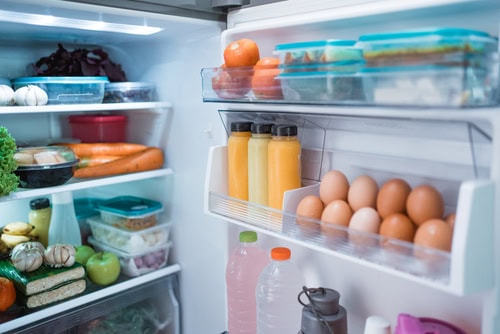
“The fridge is one of the most important appliances for keeping your food fresh and safe. If you’re adding decorative elements, it’s essential to regularly clean them and ensure they aren’t taking up valuable space or disrupting airflow. Food hygiene should always come first.”
For more food safety tips and advice on proper food storage, visit the HelloFresh website.
Ravish Magazine – discover more stories, insights and ideas from Ravish lifestyle magazine.


