

Is Liquid Microneedling Worth It? The Truth Behind TikTok’s Hottest Skincare Trend
It’s not often a skincare trend makes the leap from Reddit threads to TikTok feeds at lightning speed — but liquid microneedling has done exactly that. And now, with Google searches up a staggering 535% in the past year, it’s clear this isn’t just another passing beauty fad. It’s a full-blown curiosity moment.
But beneath the buzz, glowing “after” shots and dramatic peeling videos, there’s a more complicated story unfolding — one that’s worth understanding before you rush to add it to your routine.
So, what actually is liquid microneedling?
At its core, liquid microneedling is a skincare treatment designed to mimic the effects of traditional microneedling — but without needles, devices, or clinic visits.

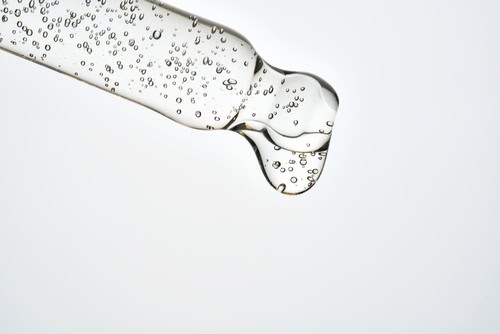
Instead, it relies on spicules — microscopic, needle-like particles derived from marine sponges. These are applied topically in serums or masks, creating a tingling or prickly sensation as they interact with the skin.
The idea? To stimulate the skin’s surface, encourage faster turnover, and help active ingredients penetrate more effectively.
It sounds futuristic — and in many ways, it is.
Why it’s suddenly everywhere
Like many beauty trends, liquid microneedling didn’t start in the mainstream. It has roots in Korean skincare innovation, where spicule-based treatments have been used professionally for years.
What’s new is the at-home version — and that’s what’s fuelling the current explosion in interest.
Across TikTok, users are sharing:
- Visible peeling
- Redness and “tingle reactions”
- Smooth, glowing skin after just a few days
It’s the kind of instant transformation content that thrives online — quick results, strong reactions, and a sense of discovery.
The truth behind the glow

But here’s where things get a little more nuanced.
According to beauty experts, the effects people are seeing aren’t quite the same as clinical microneedling — even if they look similar.
Danielle Louise, hair and beauty expert at Fresha, explains that what’s happening is more about surface-level stimulation than deep skin treatment.
The flaking and smoothness?
That’s often due to accelerated skin turnover, rather than long-term structural change.
In other words — it can look impressive, but it’s not necessarily working in the same way people think.
The ‘tingle factor’ — and why it matters

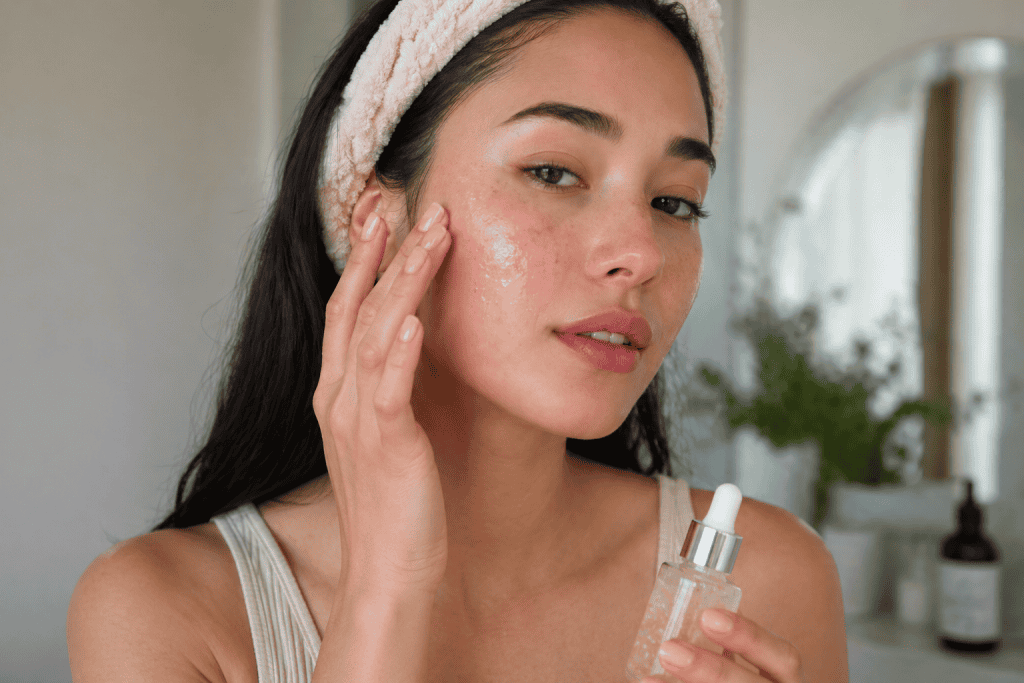
Part of what’s driving the trend is the intensity of the experience.
That prickly sensation? It’s real — and for some, quite strong.
While a mild reaction is expected, experts warn there’s a fine line between:
- Stimulation (good)
- Irritation (not so good)
Overuse, or combining these treatments with strong actives like retinol or acids, can compromise the skin barrier — leading to sensitivity, redness, and longer-term issues.
Should you try it?
Liquid microneedling isn’t necessarily something to avoid — but it is something to approach carefully.
If you’re curious:
- Treat it as an occasional treatment, not daily skincare
- Avoid layering with exfoliating acids or retinoids
- Focus on hydration and barrier repair afterwards
- Start slowly and monitor how your skin responds
And importantly — manage expectations.
For deeper, longer-lasting results, professional treatments still offer a level of precision and control that at-home products simply can’t match.
A trend with staying power?
Liquid microneedling sits at the intersection of everything that drives modern beauty trends:
- Science-backed language
- Visible (and shareable) results
- A sensory, almost dramatic experience
That combination makes it incredibly compelling — especially online.
But whether it becomes a staple or fades like so many viral skincare moments will depend on one thing: how well people understand what it actually does.
Because in beauty, as ever, the difference between hype and results often comes down to knowledge.
Credit: Original insights and data provided by Fresha, with expert commentary from Danielle Louise, Hair and Beauty Expert at Fresha.
Discover why Crave is a top lifestyle magazine UK readers follow for delicious recipes and travel ideas.


