 Skip to content

Thinking About Turkey Teeth? What Dentists Want You to Know First
Scroll through social media and it’s hard to miss.
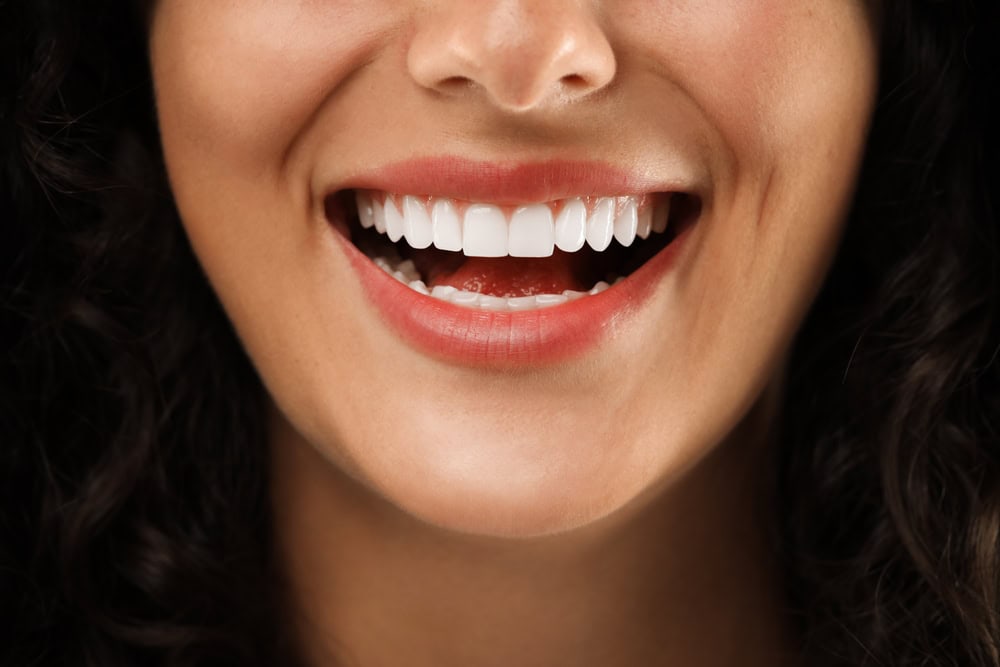
Blindingly white smiles. Perfectly straight teeth. Dramatic before-and-after transformations that promise a complete confidence boost in just a few days.
For many, the appeal of so-called “Turkey teeth” is obvious—quick results, lower costs and a smile that looks straight out of a filter.
But behind the glossy images, dental experts are warning that the reality may not be quite so picture-perfect.
What Are “Turkey Teeth” — And Why Are They So Popular?
The term “Turkey teeth” has become shorthand for a growing cosmetic dentistry trend, where patients travel abroad—often to destinations like Turkey—for full smile makeovers.
These transformations typically involve veneers or crowns designed to create a uniform, ultra-white finish. For influencers and everyday patients alike, the results can look dramatic and immediate.
But what isn’t always visible online is what happens beneath the surface.
The Procedure You Don’t Always See
While traditional veneers usually require minimal preparation, some smile makeover treatments involve fitting full crowns.
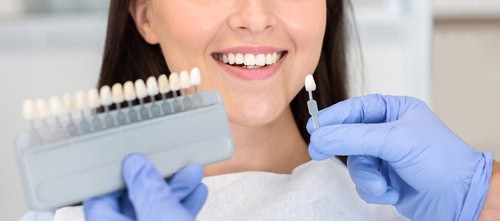
That process can mean reshaping the natural tooth—sometimes quite significantly—so that the crown fits over it.
According to oral surgeon Dr Andrej Bozic, this is where problems can begin.
“High-quality cosmetic dentistry can be life-changing,” he explains, “but it must always be planned carefully with long-term oral health in mind.”
In some cases, he says, patients undergo aggressive tooth preparation, where large amounts of healthy tooth structure are removed. And once that happens, there’s no going back.
Why It Can Cause Problems Years Later
The immediate results might look impressive—but long-term, the picture can change.
Teeth that have been heavily reduced can become more vulnerable to complications such as:
- Nerve damage
- Infection
- Fractures
- Increased sensitivity
And unlike natural teeth, crowns don’t last forever.
Most will need replacing every 10 to 15 years, and each replacement can require further work on the underlying tooth. Over time, that repeated intervention can weaken the tooth further, sometimes leading to more invasive treatments like root canals, implants—or even tooth loss.
It’s Not About Avoiding Cosmetic Dentistry — It’s About Doing It Right
Experts are clear: cosmetic dentistry itself isn’t the issue.
When carried out by experienced professionals using a conservative approach, it can deliver safe, natural-looking and long-lasting results.
The key difference is how the treatment is planned.
“At reputable clinics, the priority is preserving as much natural tooth as possible,” Dr Bozic says. “Patients should expect a thorough consultation, a clear treatment plan and proper aftercare.”
In other words, a great smile shouldn’t come at the expense of long-term dental health.
What You Should Know Before Booking Treatment Abroad
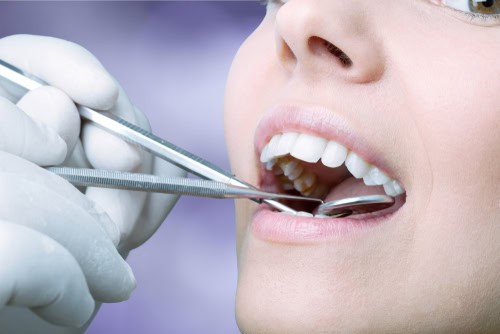
For those considering travelling for dental work, the advice is simple: do your research.
That means understanding:
- Exactly what procedure is being offered
- Whether veneers or full crowns are being used
- How much of the natural tooth will be altered
- What maintenance and follow-up care will be required
Because while the upfront cost may be lower, the long-term implications can be far more significant.
The Takeaway
A perfect smile might be trending—but your natural teeth are irreplaceable.
Cosmetic dentistry can absolutely enhance your confidence, but the best results are the ones that balance aesthetics with longevity.
Because ultimately, the goal isn’t just to look good now—it’s to still be smiling years down the line.
With expert commentary from Dr Andrej Bozic, oral surgeon at Dentum in Croatia
Crave Magazine: your essential guide to the best in UK lifestyle, food and travel.