


5 Surprisingly Common Foods That Could Be Ruining Your Sleep
We’ve all done it. You settle down on the sofa after a long day, stick the kettle on, grab a slice of toast or order a pizza, convinced you’re winding down for the evening.
But what if your bedtime snack is actually the reason you’re lying awake staring at the ceiling?
While stress, caffeine and scrolling on your phone are often blamed for poor sleep, nutrition experts say the foods you eat in the hours before bed can also influence how quickly you fall asleep and how restful your night is.
That doesn’t mean you need to stop enjoying your favourite comfort foods altogether. Timing is everything. Eating certain foods earlier in the day is unlikely to be a problem, but consuming them shortly before bed could make it harder for your body to switch into sleep mode.
Here are five surprisingly common evening foods that may be interfering with your sleep.
Pizza might leave you awake for longer
Pizza is the ultimate comfort food, especially after a busy day. Unfortunately, it combines several ingredients that aren’t particularly bedtime-friendly.
One of the biggest culprits is the tomato sauce. Tomatoes are packed with nutrients including vitamin C and potassium, making them an excellent addition to your diet. However, they’re also naturally acidic.

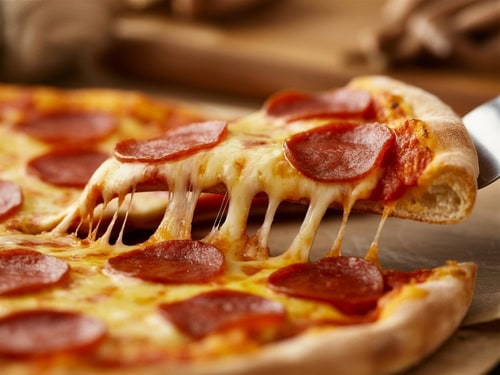
Eating acidic foods late in the evening may increase the likelihood of indigestion, heartburn or acid reflux in some people, making it much harder to drift off comfortably.
When combined with melted cheese and processed meats, pizza can also become a fairly heavy meal that takes longer to digest while you’re trying to sleep.
Salty snacks could leave you feeling restless
Crisps, salted nuts and savoury snack mixes are easy to reach for while relaxing in front of the television, but their high salt content can work against a good night’s sleep.
Eating large amounts of salt before bed may leave you feeling thirstier overnight, increasing the chances of waking up needing a drink or a trip to the bathroom.

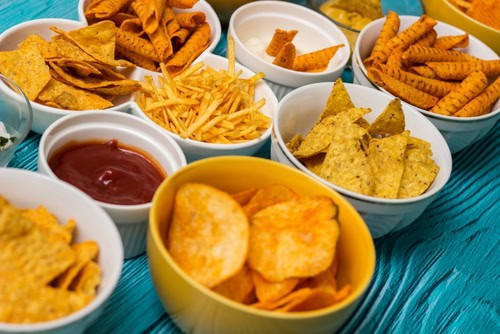
Some sleep specialists also suggest avoiding particularly salty foods for a couple of hours before bedtime to help your body remain better hydrated throughout the night.
Instant noodles aren’t the bedtime shortcut they seem
Instant noodles are quick, cheap and convenient, but they’re not exactly a recipe for restorative sleep.
As an ultra-processed food, they’re often high in sodium while being relatively low in fibre and other nutrients that support overall health.
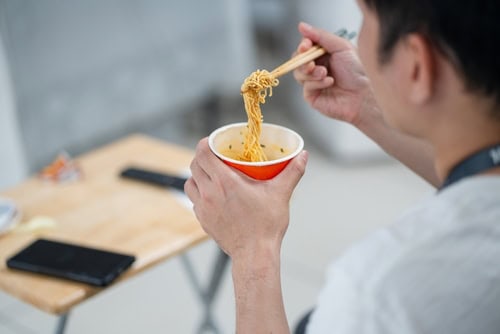
Research has linked diets high in ultra-processed foods with poorer sleep quality, shorter sleep duration and taking longer to fall asleep.
While enjoying instant noodles occasionally isn’t likely to cause long-term problems, making them a regular late-night meal could have more impact on your sleep than you realise.
Heavy protein meals can keep your digestive system busy
Protein is essential for muscle repair and keeping you full, but timing matters.
Meals centred around large portions of chicken, steak or processed meats such as pepperoni and salami require more work from your digestive system than lighter evening meals.
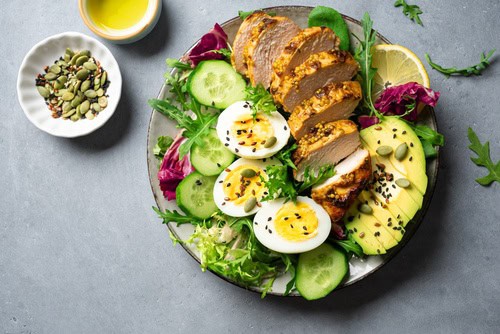
Some processed meats also contain tyramine, a naturally occurring compound that may encourage the release of norepinephrine — a chemical involved in alertness — making it more difficult to fully relax before bed.
If you’re eating late, a smaller portion alongside vegetables or lighter ingredients may feel easier on your stomach.
Even your bedtime toast might be working against you
For many people, toast before bed feels like the ultimate comfort snack.
However, white bread is a high glycaemic food, meaning it causes blood sugar levels to rise quickly before falling again.
That rapid spike and crash may contribute to disrupted sleep for some people, particularly if eaten shortly before bed.
If toast is your favourite evening snack, switching to wholemeal or wholegrain bread provides more fibre and slower-releasing carbohydrates, helping maintain steadier blood sugar levels.
What should you eat instead?
If you’re genuinely hungry before bed, you don’t need to go to sleep on an empty stomach.
Many sleep experts recommend keeping evening snacks light and easy to digest. Foods such as:
- A banana
- Natural yoghurt
- Oatcakes
- Wholegrain toast with a thin spread of nut butter
- A small bowl of porridge
- Kiwi fruit
can satisfy hunger without putting unnecessary strain on your digestive system.
Just as importantly, try to finish eating at least two to three hours before you plan to sleep whenever possible. Giving your body time to digest may help you fall asleep more comfortably and improve your chances of waking feeling refreshed.
Editorial credit: This article was inspired by expert commentary from Tarun Kumar, Co-Founder and Superintendent Pharmacist at Cured Pharmacy, and has been independently researched and rewritten by Ravish Magazine into an original editorial feature
Explore travel, food and wellness features at Ravish Magazine, your go-to UK lifestyle magazine.


