 Skip to content

7 Simple Ways to Reduce Inflammation Through Food and Lifestyle
Inflammation has become something of a wellness buzzword in recent years, appearing everywhere from social media to supermarket shelves. While inflammation is a natural and essential part of the body’s healing process, problems can arise when it becomes chronic, quietly contributing to everything from aching joints and fatigue to heart disease and type 2 diabetes.
The good news? You don’t need to overhaul your life overnight. Small, consistent lifestyle changes can make a meaningful difference to your overall health and may help support your body’s natural inflammatory response.
Here are seven evidence-based habits worth adding to your daily routine.
Fill Your Plate With Colour
One of the simplest ways to support your body is to eat a wide variety of colourful fruit and vegetables.
Berries, leafy greens, tomatoes, peppers and broccoli are packed with antioxidants and naturally occurring plant compounds known as polyphenols, which help protect your cells from oxidative stress.
Wholegrains, beans, lentils, nuts and seeds also deserve a place on your plate. They’re excellent sources of fibre, something most of us aren’t eating enough of. In fact, UK adults are advised to consume around 30g of fibre each day, yet the vast majority fall well short of that target.
A diet rich in fibre helps nourish beneficial gut bacteria, which are increasingly recognised as playing an important role in regulating inflammation.
Don’t Forget Healthy Fats
Not all fats are created equal.
Omega-3 fatty acids have been widely researched for their role in supporting heart health and helping the body regulate inflammation. If you don’t eat oily fish regularly, plant-based sources such as walnuts, chia seeds and flaxseeds can help boost your intake.
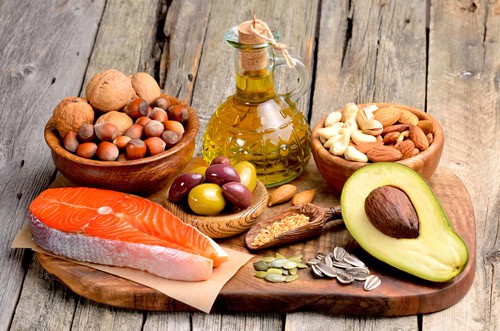
Rather than focusing on cutting out all fats, aim to replace saturated fats with healthier unsaturated options wherever possible.
Cook With Herbs and Spices
Some of the most powerful ingredients in your kitchen aren’t expensive superfoods—they’re sitting in your spice rack.
Turmeric has attracted considerable scientific interest thanks to curcumin, the compound responsible for its vibrant golden colour. Research suggests curcumin possesses antioxidant and anti-inflammatory properties, although the body absorbs it relatively poorly on its own.

Pairing turmeric with black pepper or consuming specially formulated products designed to improve absorption may help increase its bioavailability. Either way, adding turmeric to soups, curries, rice dishes or smoothies is an easy way to introduce more flavour and variety into your meals.
Ginger, cinnamon and garlic are also excellent ingredients to cook with regularly.
Cut Back on Ultra-Processed Foods
Nobody eats perfectly all the time, and there is room for treats in a balanced diet.
However, regularly relying on heavily processed foods high in refined sugars, saturated fats, salt and additives may contribute to increased inflammation over time.

Instead of aiming for perfection, focus on simple swaps. Choose homemade meals more often, snack on fruit and nuts instead of confectionery, and build meals around whole ingredients whenever possible.
Small improvements repeated consistently often deliver the biggest long-term benefits.
Take Stress Seriously
Stress isn’t only something you feel mentally—it affects your body too.
When you’re under constant pressure, stress hormones such as cortisol remain elevated for longer than they should. Over time, this may contribute to low-grade inflammation throughout the body.
Finding ways to switch off doesn’t have to involve expensive retreats or complicated routines. Daily walks, meditation, yoga, breathing exercises, reading or simply putting your phone away for an hour can all help calm your nervous system.
Consistency matters far more than perfection.
Make Sleep Non-Negotiable
Your body performs much of its repair work while you sleep.
Hormones are regulated, tissues recover and your immune system gets to work. Unsurprisingly, poor-quality sleep has repeatedly been linked with increased inflammatory markers.
Aim for between seven and nine hours of sleep each night if possible.

Creating a consistent bedtime routine, limiting caffeine later in the day, reducing screen time before bed and keeping your bedroom cool, dark and quiet can all improve sleep quality.
Keep Moving
Exercise isn’t just about weight management.
Regular physical activity helps improve circulation, supports immune function and plays an important role in managing inflammation over the long term.
The good news is that you don’t need to spend hours in the gym. Brisk walking, swimming, cycling, strength training or yoga performed several times a week can all be highly effective.
Just remember that recovery matters too. Constant high-intensity exercise without adequate rest can place additional stress on the body, so finding a healthy balance is key.
The Bottom Line
There’s no single food or supplement that can magically eliminate inflammation, despite what social media might suggest.

Instead, it’s the combination of eating a nutrient-rich diet, managing stress, sleeping well, staying active and reducing highly processed foods that creates the strongest foundation for long-term health.
While products containing ingredients such as turmeric may complement a healthy lifestyle, they’re exactly that—a complement. The everyday habits you repeat consistently will always have the biggest impact.
Article inspired by expert commentary from Registered Dietitian Azmina Govindji on behalf of The Turmeric Co. This editorial has been independently rewritten by Ravish Magazine for an evergreen audience.
Explore travel, food and wellness features at Ravish Magazine, your go-to UK lifestyle magazine.