 Skip to content


10 Simple Ways to Keep Your Skin Looking Younger and Healthier
There is no way to stop skin from ageing — and nor should there be. Changes in our skin are a normal part of getting older. However, there is a significant difference between natural ageing and the premature changes caused by years of sun exposure, smoking and other lifestyle factors.
If you want to know how to keep skin looking younger, the most useful place to start isn’t with an overflowing bathroom cabinet. Some of the habits with the strongest impact on the appearance and health of our skin happen outside our skincare routine altogether.
Protecting your skin from ultraviolet (UV) radiation, getting enough sleep, eating well, exercising and avoiding smoking can all contribute to healthier-looking skin over time.
Here are ten sensible habits worth concentrating on.
1. Make Daily Sun Protection a Priority
If you make only one long-term change to protect the appearance of your skin, make it this one.
Exposure to ultraviolet radiation contributes significantly to premature skin ageing. Over time, repeated UV exposure can damage collagen and elastin and contribute to wrinkles, pigmentation and changes in skin texture.
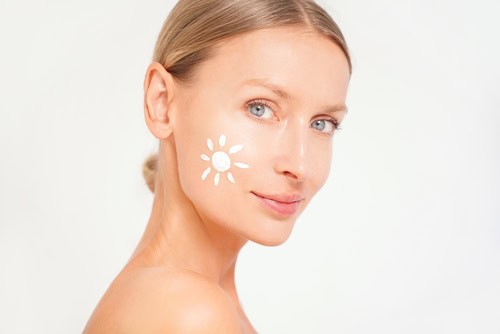
This process is often referred to as photoageing.
Using a broad-spectrum sunscreen of at least SPF 30 on exposed skin is therefore about much more than avoiding sunburn on holiday.
Apply sunscreen generously and remember that it isn’t necessarily a once-a-day job. Reapplication is particularly important when spending prolonged periods outdoors, swimming or sweating.
And don’t assume that cloudy British weather means UV protection is irrelevant. UVA radiation, which contributes to skin ageing, can still reach your skin when it doesn’t feel particularly sunny.
Sunscreen also shouldn’t be your only protection. Shade, hats and clothing can help reduce unnecessary UV exposure too.
2. Don’t Smoke
Few lifestyle habits are particularly kind to your skin when they involve repeatedly exposing it to cigarette smoke.
Smoking has been associated with premature skin ageing and can affect collagen and elastin, the structural proteins that help skin maintain its firmness and elasticity.
It can also affect blood flow to the skin.
Over time, these effects can contribute to wrinkles and changes in the skin’s appearance and texture.
Stopping smoking has benefits extending far beyond how your skin looks, of course, but healthier-looking skin is another good reason not to start — or to seek help quitting if you already smoke.
3. Build a Simple Skincare Routine You Can Actually Maintain
An expensive ten-step routine isn’t a prerequisite for good skin.
In fact, constantly introducing new acids, scrubs and active ingredients can leave some people with irritated skin rather than the glowing complexion they were hoping for.
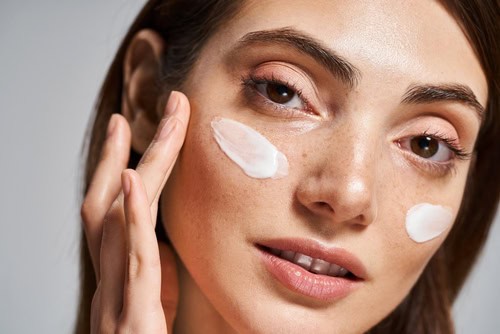
A straightforward routine can be perfectly adequate:
- gentle cleansing
- moisturiser suited to your skin
- broad-spectrum SPF during the day
- carefully chosen active ingredients where appropriate
Consistency is generally more useful than chasing every skincare trend that appears online.
If you introduce ingredients such as retinoids or exfoliating acids, introduce them gradually and pay attention to how your skin responds.
More isn’t automatically better.
4. Eat for Overall Health, Not a Miracle ‘Anti-Ageing’ Food
There isn’t a single food capable of preventing wrinkles.
A varied, balanced diet is a much more realistic approach.
Fruit and vegetables provide a range of vitamins and antioxidant compounds, while foods such as nuts and seeds can contribute healthy fats and other nutrients.
Berries including blueberries, blackcurrants and blackberries are easy additions to breakfasts and snacks, but there’s no need to obsess over one particular so-called superfood. Variety matters.

Protein is important too because the body needs amino acids for the maintenance and repair of tissues.
Rather than looking for a special “skin diet”, concentrate on the same eating habits associated with good general health: plenty of plants, adequate protein, varied whole foods and fewer heavily processed foods.
Your skin is part of your body, after all. It doesn’t operate independently from everything else.
5. Get Enough Sleep
The phrase “beauty sleep” might sound like an old cliché, but sleep plays an important role in the body’s normal repair and recovery processes.
Anyone who has looked in the mirror after a terrible night’s sleep will also know that tiredness can make itself rather obvious.

Lack of sleep can temporarily contribute to dull-looking skin, dark circles and puffiness. Regularly getting inadequate sleep can also affect wider aspects of physical and mental health.
Most adults should aim for roughly seven to nine hours of sleep each night, although individual requirements vary.
Rather than treating sleep as another beauty treatment, consider it part of the foundations that support healthy skin — along with nutrition, exercise and sun protection.
6. Manage Persistent Stress
A stressful week isn’t suddenly going to give you wrinkles.
Long-term stress, however, can affect numerous processes within the body and may also aggravate some existing skin conditions.
It can interfere with sleep, change eating habits and make people less likely to maintain the routines that normally help them feel well.
There is no single correct way to manage stress. Walking, exercise, spending time outdoors, breathing exercises, meditation or simply protecting some downtime can all be useful depending on what works for you.
Think of stress management as supporting your overall health rather than as an anti-ageing trick.
7. Exercise Regularly
Exercise won’t erase wrinkles, but regular physical activity is another habit that benefits the body as a whole.
Movement supports cardiovascular health and circulation and can help with sleep, stress management and maintaining muscle as we get older.
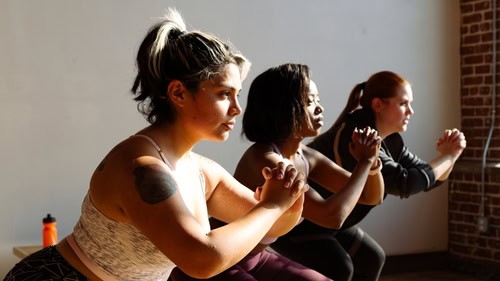
A combination of aerobic activity and strength or resistance exercise is generally a sensible approach.
There may be another indirect benefit for your skin: when exercise helps you sleep better and manage stress, those improvements can influence how healthy and refreshed you look too.
Just remember the sunscreen if your preferred workout takes place outdoors.
8. Keep Your Skin Barrier Comfortable
Dry, irritated skin can make fine lines appear more noticeable.
A good moisturiser won’t permanently remove wrinkles, but it can help reduce water loss and make dry skin feel softer and look smoother.
Look for products appropriate for your skin type rather than assuming the most expensive formula will produce the best result.
Ingredients commonly found in moisturisers include glycerin, ceramides and hyaluronic acid, which can help support hydration in different ways.
Be wary of repeatedly stripping the skin with harsh cleansers or excessive exfoliation. If your face regularly feels tight, sore or uncomfortable after your skincare routine, that’s not a sign that the products are “working”.
9. Be Realistic About What Skincare Can Achieve
This is perhaps the most important rule in an industry full of extraordinary promises.
No cosmetic cream can stop ageing.
Skincare products can hydrate the skin, improve its appearance and, depending on their ingredients, help address concerns such as pigmentation, fine lines or uneven texture.
But phrases such as “reverse ageing” and “erase wrinkles” deserve a healthy degree of scepticism.
Evidence-backed ingredients and consistent habits are more useful than dramatic marketing claims.
For concerns that persist despite a sensible skincare routine — including changing moles, persistent rashes, unusual pigmentation or other unexplained skin changes — speak to a GP or dermatologist rather than attempting to diagnose the problem through social media.
10. Think in Years, Not Weeks
Healthy-looking skin is rarely the result of one product used for a fortnight.
Many of the factors influencing how our skin ages accumulate over years.
That means the less exciting habits are often the important ones: regularly wearing sunscreen, not smoking, eating reasonably well, getting enough sleep, staying active and treating your skin gently.
Genetics and natural ageing will always play a role too, which is why two people following identical routines won’t necessarily age in exactly the same way.
The aim shouldn’t be to make your skin look permanently 25.
A much more achievable goal is to keep it healthy, comfortable and well protected as it changes.
What Actually Makes the Biggest Difference to Ageing Skin?
If you’re overwhelmed by conflicting advice, prioritise the basics.
Sun protection is one of the most important preventable factors when it comes to premature skin ageing. Avoiding smoking is another significant lifestyle choice, while adequate sleep, a nutritious diet, regular exercise and sensible skincare support your overall skin health.
Once those foundations are in place, individual skincare ingredients can be considered according to your particular concerns.
It’s a considerably less glamorous answer than buying the latest viral serum.
But when you’re thinking about your skin over the next ten or twenty years rather than the next ten days, the basics matter.
Frequently Asked Questions
Can you actually stop your skin from ageing?
No. Skin ageing is a normal biological process influenced by factors including genetics and time. However, some external causes of premature skin ageing — particularly excessive UV exposure and smoking — are modifiable.
What is the best way to keep skin looking younger?
Regular sun protection is one of the most important steps. A consistent skincare routine, avoiding smoking, eating a varied diet, exercising and getting adequate sleep can also support healthy-looking skin.
What causes premature skin ageing?
Repeated UV exposure is a major environmental contributor. Smoking can also accelerate visible ageing. Other factors including genetics, environmental exposure and lifestyle can influence how skin changes over time.
Does SPF help prevent wrinkles?
Sunscreen helps protect skin from UV radiation, which contributes to photoageing, including wrinkles, pigmentation and changes in skin texture. For everyday use, choose a broad-spectrum sunscreen with at least SPF 30.
At what age should you start anti-ageing skincare?
There isn’t a particular birthday on which you suddenly need an “anti-ageing” routine. Sun protection is useful from childhood onwards. Adults can then choose skincare ingredients according to their skin type and concerns rather than their age alone.
Can drinking more water make you look younger?
Staying adequately hydrated is important for general health, but drinking excessive amounts of water isn’t a treatment for wrinkles. If your skin is dry, an appropriate moisturiser can help improve hydration and temporarily make it appear smoother.
Which foods are good for healthy skin?
There isn’t one best food for younger-looking skin. A varied diet containing fruit, vegetables, nuts, seeds, healthy fats and adequate protein provides nutrients that support normal body and skin function.
Is expensive skincare better for ageing skin?
Not necessarily. Price doesn’t determine whether a skincare product will be effective. Ingredients, formulation, suitability for your skin and consistent use are more important than luxury packaging or marketing claims.
Editorial note: This article has been independently rewritten and updated for clarity and evergreen relevance. Some of the original expert guidance was supplied by The Devonshire Clinic.