 Skip to content

A Complete Guide to Removing Tape-In Extensions at Home Without Damage
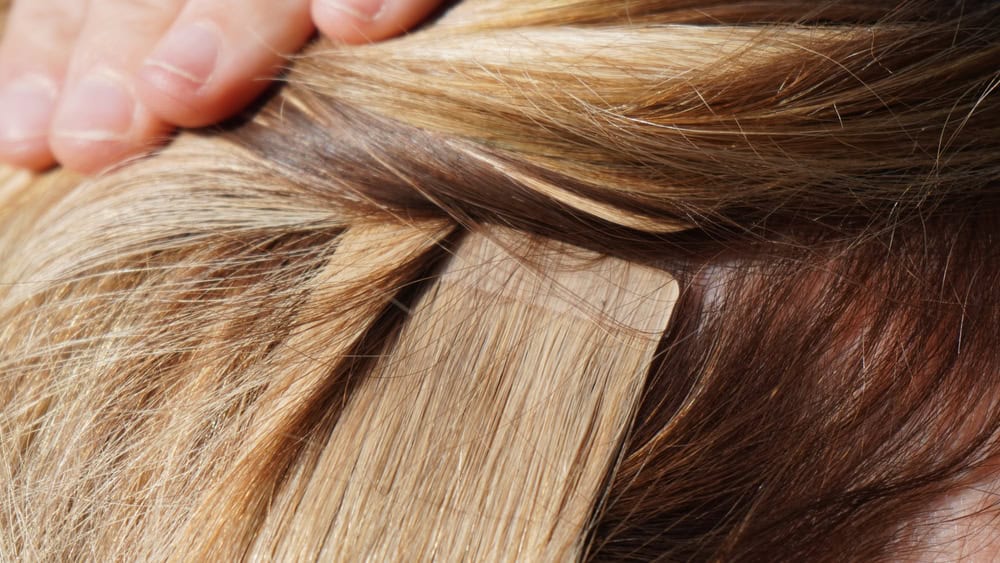
We know that tape-in hair extensions are your favourite for adding volume and length to your natural hair. They are popular due to their ease of application and maintenance, and they can last for several months if cared properly. However, the process of how to remove tape-in extensions can be complicated. This guide offers a step-by-step method for safely removing tape in extensions at home. You will learn the importance of proper techniques to prevent damage to natural hair and be comfortable with the process.
We highly recommend consulting a professional stylist for removal. If you are unable to do so, you can follow these instructions. Key points include avoiding common errors, such as using inappropriate products (e.g., lower-concentration alcohol) and exerting excessive force on the extensions. Both can result in damage. Adhering to the recommended tools and being gentle during the removal process will facilitate safe, easy removal.
What You Need for Safe Tape Extension Removal
Preparing for removal is a necessary phase, and gathering the required materials is important. It is vital to gather all the things you will need before beginning the removal procedure. An adhesive tape in extension-removal solution, designed especially for tape-in extensions, is the most essential ingredient. These removers dissolve the adhesive holding the extensions in place without harming your natural hair. As an alternative, some individuals employ alcohol or alcohol-based removers. You can also use it in a handy spray form for easy, even application. If you decide to choose alcohol, be sure to use the right amount to prevent hair damage.
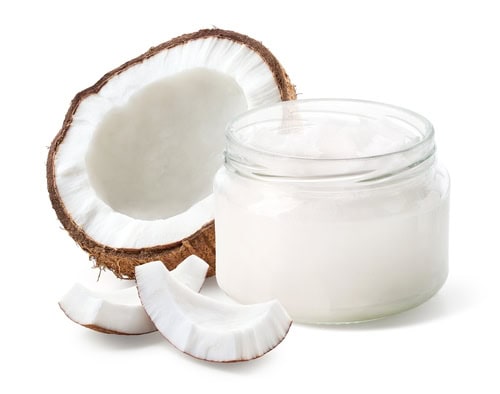
You will also need natural oils, such as coconut oil, olive oil, baby oil, or almond oil. As an alternative to adhesive remover, these oils can assist in the breakdown of glue and facilitate its removal. Oils with chemical components should be avoided. Although they might harm your natural hair. You may also use peanut butter as a substitute if you don’t have access to natural oils.
Along with the above-mentioned supplies, you might also need a tail comb to carefully comb out any knots in your hair extensions. A hair clip is also needed to keep your hair out of the way throughout the removal procedure. The cost estimate for all these supplies ranges from GBGBP 10 to GBP 20.
Step-by-Step Tape-In Extension Removal
Before and throughout the removal process, you need to be gentle and patient with your natural hair and your extension set. We advise users to avoid pulling their hair and to use tools like a rat-tail comb for assistance. Here is a step-by-step guide on how to remove tape from extensions at home.
Step 1: Preparing for Removal
The success lies in preparing for the removal process before digging into it. The document outlines the process for safely removing tape-in hair extensions. Key preparations include gathering necessary materials, such as an adhesive remover for tape-in extensions, natural oils (like coconut or olive oil), and tools like hair clips and a comb. It emphasises the importance of starting with clean, dry hair, achieved by washing with a clarifying shampoo and air-drying.
Step 2: Sectioning Hair
It is necessary to divide your hair into manageable portions before removing the tape-in extensions. This will make it simpler to find the extensions and take them out without causing damage or tangling to your normal hair. To make it easier to remove the extensions, divide your hair into sections with a hair clip or a knot. Because it is a regulated approach, this stage is vital to the correct removal procedure.
Step 3: Prevent Breakage
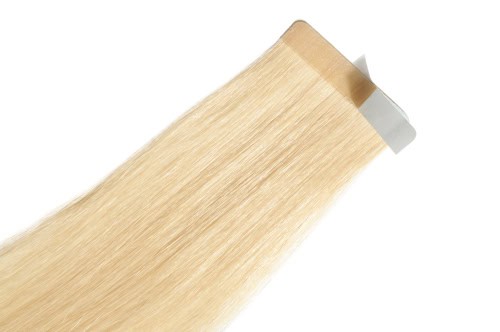
Preventing breakage during tape removal in hair extensions helps maintain the health of both natural hair and extensions. You can begin by applying a small amount of natural oil, such as olive or coconut oil, to the tape area to loosen the adhesive for easier removal. Use a hair clip to section the hair, and a tail comb to carefully separate each extension. When removing the tape, gently peel it off following the installation method, starting from the roots and moving towards the ends.
Step 4: Removing the Extensions
You cansafely remove the extensions with the right techniques. Adhesive removers should be used according to product instructions, which typically involve leaving on for 10-15 minutes, after which the extensions can be gently peeled away. If the adhesive remains, reapply the remover for better results. Natural oils and peanut butter can also be used as an alternative.; apply it evenly to the tape, leave it on for 30 minutes, and comb through gently, noting that it may leave a scent in the hair that requires thorough washing afterwards.
How to Remove Tape Residue from Hair
Don’t be concerned if you see any shedding or residue during the tape-in extension removal procedure; this is typical. It is important to properly wash and condition the extensions after removal to ensure they are clean and free of product buildup or residue, following the proper procedure. Therefore, wash your hair in the shower after removal.
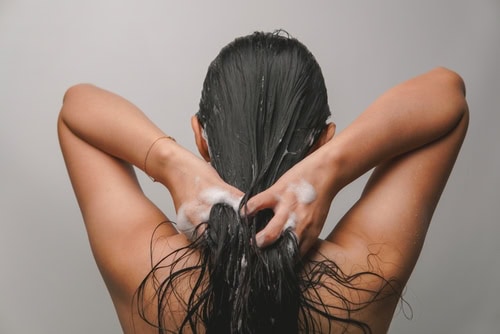
Use a combination of oil-based remover and mild peeling methods to get rid of the tape. After that, use a clarifying shampoo to remove any leftover residue. Use oil (olive, coconut, or a particular residue remover). Instead of using a comb, go through with your fingers. Give the oil five to ten minutes to settle. Remove debris from a hair strand gently. Use a deep conditioner after washing with clarifying shampoo twice. Your hair will remain smooth and healthy after removing your tape-in extensions by using oil or serum on the residue at the ends of your hair. However, professional removers are the safest option, while preventive measures, such as applying less glue and using high-quality products, minimise residue.
Mistakes to Avoid When Removing Tape Extensions
You may save a lot of work and prevent hair damage by avoiding common mistakes. Here are some dangers to be aware of while tape extension removal
- Do not rush the process.
Hurrying through the removal is a major error. As a result, you are putting excessive force on your hair. This will cause pulling and ultimately breakage. Make sure every extension you wear goes well by taking your time.
- Using the Incorrect Products
You sometimes use a product that doesn’t produce finer results. Be certain that not every extension remover is made equally. Using a product not sufficiently designed for tape-in extensions can result in ineffective adhesive breakdown and possible hair damage.
- Ignoring the Residue Removal
Debris removal is vital for longevity and functionality. Therefore, it is important to comb out any adhesive residue after removing the extensions. If you skip this step, your hair may develop sticky areas that attract debris and become challenging to manage.
- Avoid Ripping through Tangles
It can be considerably more difficult and stressful to begin the removal procedure without first detangling your hair.
or having the required instruments on hand.
- Avoid Products not made for Removal.
Not using the supplies specifically required for the removal process, and using instruments or products that might cause damage are the leading causes of failure. Therefore, avoid using acetone or nail polish remover just because you think it contains the right amount of alcohol.
- Avoid Breakage with the Right Technique
Using the incorrect techniques to remove tape from hair extensions is one of the most frequent blunders. Never use too much heat or tug on your hair. When attempting to remove the tape to prevent this. Use a hair dryer on low heat to soften the glue, but always be careful.
Post-Removal Hair Care
The tape-in extension removal method is successful and long-lasting when After Care is followed. It helps get your hair ready for the next run. Here are a few methods for doing it.
1. Extensions for Washing and Conditioning
Properly washing and conditioning the extensions after removal is the norm. It helps to make sure that your extensions are clean and devoid of any product accumulation or residue. To completely remove any residue, wash your hair in the shower after removal. To avoid any tangling. This is also a good opportunity to give them a thorough detangle. Use a mild shampoo and conditioner made especially for extensions while washing. Before reusing the extensions, let them air dry overnight after washing.

2. Extensions for Air-Drying
It is important to let your tape-in extensions air dry after cleaning and conditioning. The extensions may be damaged by using a hair dryer or other heat-styling equipment. Just hang them up to dry or put them flat on a towel. They will be fully dry and prepared for storage or reuse if you let them air dry overnight. To maintain them in good condition for later use, store them in a secure location away from heat sources.
Additionally, before restyling, let hair rest for 24 to 48 hours and look for any damage or breaking. The best approach to protect them from harm is to gently detangle them from the ends up. If your hair feels weak, you might also consider getting a protein therapy treatment.
When to Always Use a Professional
The process of how to remove tape from extensions is a delicate procedure that has to be done by a professional or with the right equipment and guidance. But if you follow the proper approach and procedures to prevent damage, you can still make the process understandable and feasible at home. However, certain accidents will require expert assistance to prevent more harm. For instance, it would be prudent to get expert assistance if the extensions are still resistant. The extensions may be securely and successfully removed by a hairdresser or extension professional without harming your natural hair.
Furthermore, get expert assistance. When your extensions have been in effect for more than 12 weeks, or at 12 weeks, or at bond sites, you are seeing a lot of matting. It is important to consult a professional stylist if you are having trouble removing your extensions or if you are experiencing any pain or discomfort.
Conclusion
If the proper procedures and supplies are followed, removing tape-in hair extensions at home may be a straightforward and uncomplicated procedure. They may be a fantastic method to save time and money. But you need to keep in mind that if you are experiencing problems with the procedure, you can always get expert assistance. It is necessary to keep in mind that, like other hair extensions, tape extensions must be treated carefully.
Therefore, don’t be afraid to get expert assistance if you have any questions about how to remove your tape-in extensions or if you are having any issues. Tape-in hair extensions can be a fantastic way to lengthen and add volume to your hair while maintaining the health and safety of your original hair, provided you give them proper maintenance.
Stay curious, stay inspired – explore Ravish Magazine, the UK lifestyle magazine for modern living.