 Skip to content

Why Competitive Socialising Is Changing the Way We Connect
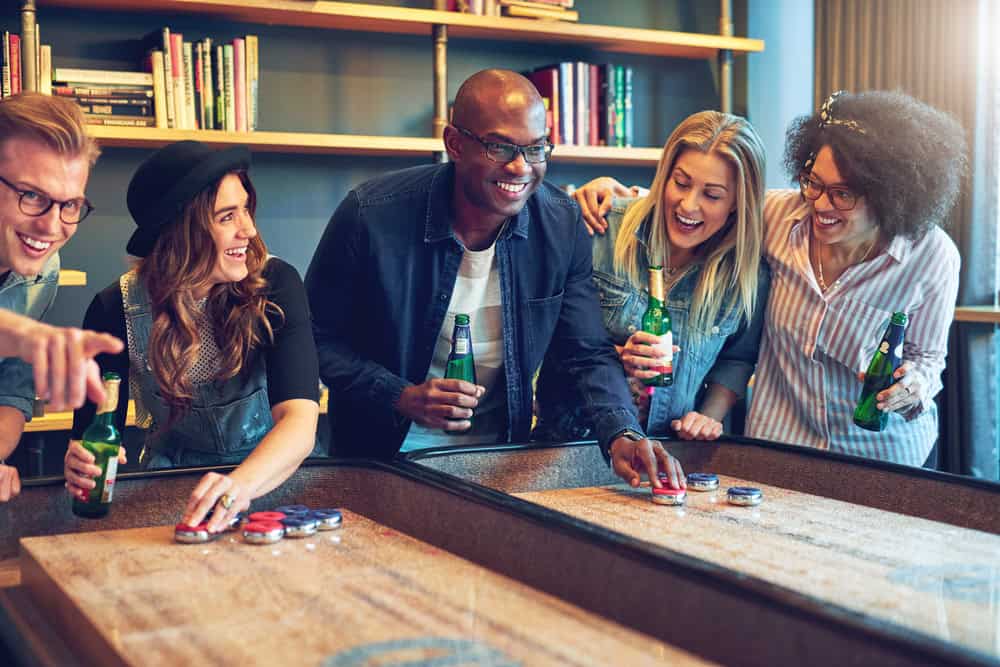
Competitive socialising has become one of the fastest-growing trends in the hospitality and events industries, transforming how people interact during nights out, corporate events, and group gatherings. What once revolved mainly around food, drinks, and conversation has evolved into something far more interactive. Activities such as immersive games, team challenges, social gaming, and experience-led entertainment are now central parts of many social environments.
The popularity of these experiences is not simply about novelty. Much of their success is rooted in psychology and the way human beings naturally form social connections.
Shared activities have long been recognised as one of the strongest ways to encourage bonding between individuals. When people participate in challenges together, whether cooperatively or competitively, they tend to communicate more openly and engage more naturally. The activity itself creates a shared focus, which reduces the pressure that often exists in purely conversational social settings.
This is particularly important in modern social environments where many people feel increasingly uncomfortable with traditional forms of interaction. Technology and digital communication have changed how people socialise, especially following the rise of remote work and online communication. While people remain highly connected digitally, face-to-face interaction can sometimes feel more awkward than before. Competitive socialising helps bridge that gap by giving people something immediate and engaging to experience together.
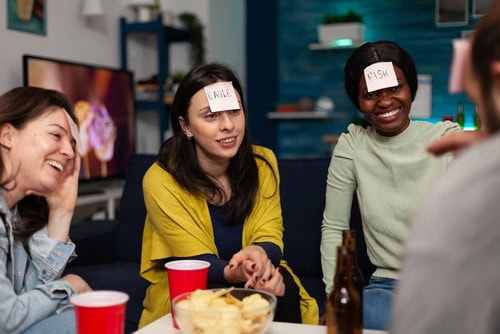
Competition itself plays an important psychological role. Friendly competition naturally stimulates excitement, attention, and emotional engagement. Activities involving scoring, teamwork, or achievement trigger feelings of anticipation and reward, which can make social experiences feel more memorable and energising. Even relatively simple games often create laughter, conversation, and emotional reactions that strengthen group interaction.
Another reason these experiences work so effectively is because they encourage participation from different personality types. Traditional social environments often favour highly outgoing individuals who are comfortable initiating conversation. Interactive activities shift the focus away from direct social performance and towards the shared experience itself. This can help quieter participants feel more involved without the pressure of carrying conversations constantly.
Group bonding is also strengthened by cooperation. Many competitive socialising experiences involve teamwork or collaborative problem-solving, which naturally encourages communication and trust between participants. Shared successes, humour, and even small failures become memorable moments that help build stronger social connections.
Businesses have increasingly recognised these psychological benefits as well. Corporate events are no longer viewed purely as opportunities for formal networking or presentations. Companies now understand that shared experiences can often strengthen workplace relationships far more effectively than structured meetings alone.

Experiential event companies such as The Big Smoke Events have highlighted how immersive entertainment and competitive socialising are reshaping group interaction within both corporate and hospitality environments. Businesses increasingly want employees and clients to leave events feeling genuinely engaged rather than simply having attended another formal gathering.
The rise of hybrid and remote working has accelerated this shift further. Many employees now spend much of their working lives communicating through screens, reducing opportunities for natural social interaction. In-person events therefore carry greater emotional importance than before, making engaging experiences particularly valuable for rebuilding team culture and strengthening workplace relationships.
There is also a strong emotional component behind why immersive experiences feel memorable. Human beings tend to remember feelings and experiences more vividly than passive information. Interactive activities create emotional peaks through excitement, humour, competition, and surprise, making events feel more engaging long after they end.
The hospitality industry has adapted quickly because consumer expectations have changed dramatically. People increasingly expect entertainment to feel participatory rather than passive. A standard evening of sitting and talking is no longer always enough to create memorable experiences, especially among younger audiences who have grown up surrounded by highly interactive digital entertainment.
Social media has amplified this trend even further. Interactive experiences are naturally more shareable online because they generate visually engaging moments and emotional reactions. Guests often photograph or record activities during events, extending the visibility and appeal of competitive socialising beyond the venue itself.
Interestingly, competitive socialising also taps into the desire for escapism. Immersive games and interactive environments allow people to temporarily step outside normal routines and responsibilities. This sense of novelty and involvement makes experiences feel more refreshing compared to traditional hospitality settings.

Venue design has evolved alongside these behavioural changes. Modern social gaming environments are often built specifically to encourage movement, participation, and interaction rather than passive seating arrangements. Lighting, sound, technology, and layout are all used strategically to create more immersive and socially dynamic experiences.
Another important psychological factor is inclusivity. Shared activities often create a sense of belonging more quickly than traditional networking environments because participants feel involved in a collective experience. This can help reduce social barriers between strangers, colleagues, or mixed groups attending events together.
Competitive socialising also reflects wider cultural changes in how people define entertainment and leisure. Consumers increasingly value experiences that feel unique, memorable, and emotionally engaging rather than purely transactional. This shift explains why immersive activities continue expanding across hospitality, events, and corporate entertainment sectors.
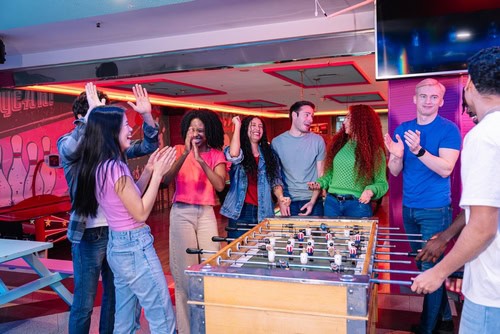
The success of competitive socialising is therefore not accidental or purely trend-driven. It connects deeply with fundamental aspects of human behaviour — the desire for connection, participation, achievement, shared emotion, and belonging. By combining entertainment with social interaction in a more active way, these experiences create environments where relationships often form far more naturally than they do in traditional social settings.
As modern social habits continue evolving, experiences built around participation and interaction are likely to remain highly influential. People increasingly want to feel involved in experiences rather than simply attending them, and competitive socialising satisfies that desire in a way traditional hospitality formats often cannot.
Ravish Magazine – discover more stories, insights and ideas from your UK lifestyle magazine.