 Skip to content

Going Away? The Essential Home Security Checklist for a Long Holiday
A long holiday should begin with a home that’s secure, organised and ready to be left unattended. A clear checklist reduces the chance of missed deliveries, unlocked windows or household problems developing while you’re away. This proactive approach not only offers peace of mind but also contributes to overall home security by deterring potential issues before they escalate.
Start preparing several days before departure, particularly if you need a neighbour to help or want to arrange cover for your car. These practical checks will help you leave without a last-minute rush and return to a home that feels comfortable from the moment you step inside.
Securing Doors and Windows
Check every external door and accessible window, including those in garages, conservatories and utility rooms. Work through the property room by room, locking each entry point and storing spare keys securely.
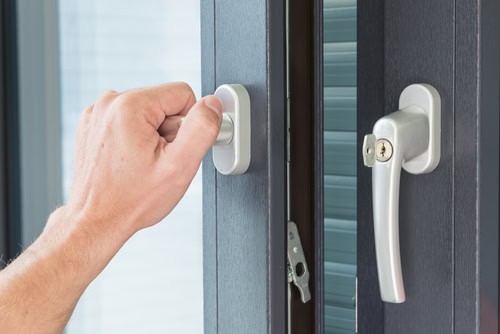
Test locks before leaving. Repair loose handles, stiff mechanisms or damaged frames while there is still time to call a tradesperson. Sliding patio doors may benefit from an approved security bar, while sheds and side gates need suitable outdoor locks. This home security guide covers other potential weak points.
Never hide spare keys under pots, mats or ornaments. Give a spare directly to a trusted neighbour or relative and explain any alarm procedures. Keep your address off the keyring.
Keep valuables away from windows and close blinds where expensive equipment is visible. Avoid closing every curtain, however, as this can make the house appear unoccupied. Ask your helper to adjust some curtains during visits. Ravish Magazine’s guide to making your property safer also covers simple security improvements for everyday use.
Smart Home Tech for Peace of Mind
Smart devices can help you monitor the property remotely, but set them up well before leaving. Connect door sensors, cameras, lights and leak detectors to your home network, install software updates and test every notification. A device that sends an alert while you’re standing beside it may behave differently when your phone is using mobile data abroad.
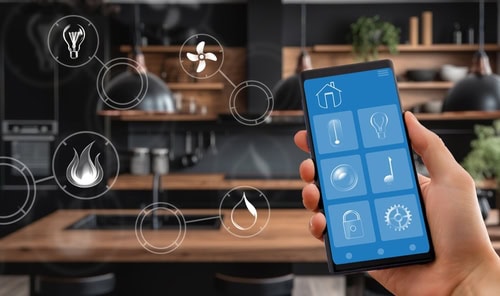
Use smart plugs or timers to switch lamps on during the evening. Vary the schedule between rooms and avoid leaving lights on continuously, which looks unusual and wastes energy. A video doorbell can also show when a parcel or visitor arrives, although you should position any camera carefully so it respects neighbouring properties and shared spaces.
Water sensors are particularly useful near a washing machine, boiler, sink or hot-water cylinder. They can warn you about a small leak before it damages flooring or reaches the room below. If your heating system supports remote control, set a sensible minimum temperature instead of switching it off during cold weather. These winter home security tips explain why seasonal conditions deserve extra attention.
Protect each smart-home account with a unique password and two-step verification where available. Give a trusted person the details they genuinely need, such as an alarm code, but don’t share your main email password. Write down the model numbers of key devices too, as this can make remote troubleshooting easier.
Vehicle Security While Away
Decide where your car will stay before packing begins. A locked garage or private drive may be the most convenient option at home, while longer trips could make secure airport parking more practical. Wherever you leave it, remove shopping bags, charging cables, portable sat-nav equipment and paperwork containing personal details from view.
Close all windows, lock the doors and check the boot manually. If the vehicle will remain on a driveway, park it in a well-lit position without blocking access for anyone checking your home. Keep keys out of sight and away from doors and windows. A locked drawer or another secure internal location is preferable to a bowl in the hallway.
Review your policy details before departure, particularly if someone else may need to move the car or if you plan to drive abroad. Drivers who are approaching their renewal date can get reliable car insurance today and compare the available levels of cover before travelling. Confirm that your insurer has the correct address, estimated mileage and driver information.
For a holiday lasting several weeks, consider the vehicle’s battery and tyre pressures. Follow the manufacturer’s guidance on long-term storage, as requirements vary between petrol, diesel, hybrid and electric models. Don’t ask a friend to drive the car unless they’re properly insured to do so. If they only need to inspect it, ask them to look for flat tyres, leaks or warning lights without moving the vehicle.
Managing Mail and Deliveries
A full letterbox and a stack of parcels can make an empty home more noticeable. Pause regular subscription boxes, grocery orders and other scheduled deliveries as soon as your travel dates are confirmed. Check for repeat orders in shopping apps, since toiletries, pet supplies and household products may have separate delivery schedules.
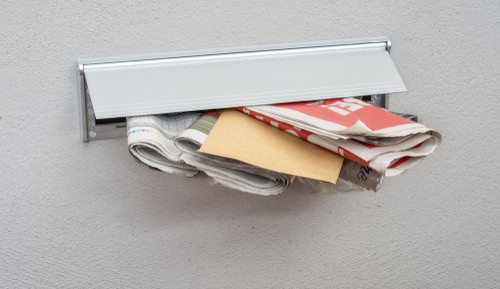
Arrange for mail to be held or redirected if your postal provider offers that service. For a shorter break, a trusted neighbour can collect letters every couple of days. Tell them where to place the post inside and ask them not to leave it visible through a glazed door. A pre-holiday home checklist can help you keep these small administrative jobs together.
Wait until you return before announcing the trip publicly. Photos can still be shared with friends privately, but real-time posts may reveal that the property is unattended. Check privacy settings on social platforms and ask family members travelling with you to follow the same plan.
Leave clear instructions for any expected delivery that cannot be changed. A parcel locker or staffed collection point is usually safer than a doorstep. Avoid public delivery notes that say you’re away for two weeks. If a neighbour agrees to collect an item, give them the estimated date and tracking details privately.
Settle bills that might arrive while you’re gone or switch to digital statements. This helps prevent missed payment dates and limits the amount of personal information sitting behind the front door.
Returning to a Welcoming Home
Food waste, stale rooms and minor plumbing problems can make your return unpleasant. Empty bins, wash dishes and remove perishable food. Freeze anything you want to keep and wipe away crumbs that could attract pests. Leave the fridge running unless it is fully emptied, cleaned, and switched off with the door propped open.
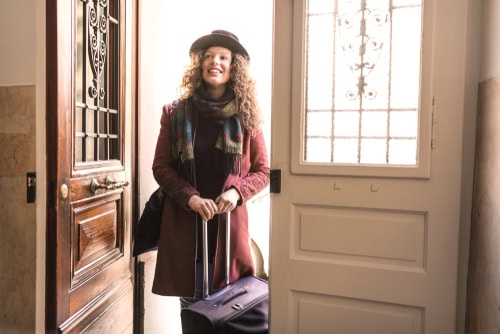
Check taps and toilets for leaks. Turn off appliance water supplies where recommended, but consider your heating system and anyone visiting the property. If you are unsure, leave the service alone. This holiday home preparation guide offers useful reminders for indoor and outdoor checks.
Ask your designated contact to report anything unusual, such as damp patches, alarm alerts or a damaged fence. Give them your travel details, a nearby relative’s number and the location of the main stopcock and fuse box.
Before leaving, photograph appliance settings, locked windows and anything you may want to check later. Put fresh bedding on the bed, leave a simple freezer meal ready, and keep your house keys secure in your hand luggage. After a long journey home, those small details can make the first evening much easier.