 Skip to content

A Practical Guide to Sustainable Living for Students
Student life comes with plenty of opportunities to build greener habits without stretching an already tight budget. Simple changes to how you shop, travel and use energy can reduce your environmental impact while cutting everyday costs. The key is to focus on realistic routines that work around lectures, deadlines and shared living.
Reducing Waste in Your Daily Routine
Start by looking at what regularly ends up in your bin. Disposable coffee cups, takeaway containers and spoiled food are common sources of student waste, yet each one has a straightforward alternative. Carry a reusable cup and water bottle, keep a shopping bag in your backpack and freeze food before it goes off.
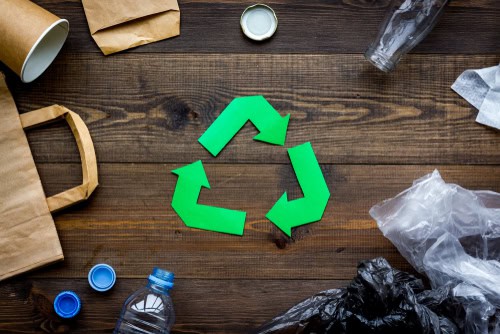
Meal planning also helps. Check your cupboards before shopping and plan several meals that share ingredients, such as using spinach in pasta, wraps and curry. The Centre for Biological Diversity offers more sustainable living ideas, including ways to reduce food and plastic waste. Learn your building’s recycling rules too, as putting the wrong items in a recycling bin can contaminate the whole collection.
Energy Saving Tips at Home
Heating, lighting and laundry all contribute to household energy use. Switch lights off when you leave a room, unplug chargers once your devices are full and wash clothes at 30°C when the care label allows it. Wait until you have a full load, then use an airer instead of a tumble dryer where possible.
Your accommodation choice can also shape your routine. When comparing a student home, consider its location, study facilities, and shared amenities alongside the room itself. Easy access to campus and useful facilities within the building may reduce extra journeys.

In shared accommodation, agree on sensible heating times with your housemates. Keeping furniture clear of radiators and closing curtains after dark can help rooms retain warmth without turning up the thermostat.
Conscious Consumption Choices
Student discounts can make an unnecessary purchase feel like a bargain. Before ordering, consider how often you’ll use the item, where you’ll store it and whether you could borrow it. University societies, libraries and friends may already have occasional-use items such as tools, formal clothing or kitchen equipment.
Second-hand shopping is especially useful for textbooks, furniture and clothing. Check condition carefully and choose pieces that can survive more than one academic year. When something breaks, look for repair cafés, replacement parts or simple tutorials before discarding it.

A set of sustainable lifestyle tips can help you identify other manageable changes. Focus first on purchases you make frequently, since improving a weekly habit usually has more impact than worrying about a rare expense.
Your Eco-Friendly Student Home
A greener room can still feel comfortable and personal. Choose LED bulbs if you control the lighting, use washable cloths for cleaning and avoid buying storage products until you’ve unpacked. Cardboard boxes or containers you already own may do the job perfectly well.
Shared kitchens need a simple system. Label food clearly, create an area for ingredients anyone can use and keep recycling instructions visible near the bins. This reduces duplicate purchases and helps prevent mystery leftovers from sitting in the fridge.

Water deserves attention as well. Take shorter showers, report dripping taps promptly and boil only the amount you need in the kettle. If you have indoor plants, use cooled leftover drinking water for them. Before moving out, donate usable bedding, cookware and small appliances through a local reuse scheme instead of leaving them behind.
Embracing Public Transport
Public transport can make student travel cheaper and less resource-intensive, particularly when you use season tickets or student fares. Check the last bus or train before an evening event and save the timetable to your phone, so you aren’t forced into a more expensive trip home.

For shorter distances, walking and cycling offer flexible options while adding movement to your day. Combine errands into one route, such as collecting a parcel on the way back from a lecture, to avoid repeated journeys. If you need to travel further, book rail tickets early and compare the cost of a student railcard against your likely number of trips.
Sustainable student living becomes easier when it fits naturally into your timetable. A labelled recycling bin, a planned weekly shop, and a saved bus route remove everyday friction, making greener choices part of university life.