 Skip to content

The Health Benefits of Dairy: Why You Don’t Necessarily Need to Give It Up
Dairy has had something of a difficult few years.
Milk has been swapped for oat drinks, butter for plant-based spreads and supermarket fridges now contain enough dairy-free yoghurts to fill an aisle of their own. At the same time, social media has produced plenty of claims that giving up dairy could improve everything from your skin to your digestion.
But unless you have an allergy, intolerance or another reason to avoid it, dairy isn’t a food group most of us need to fear.

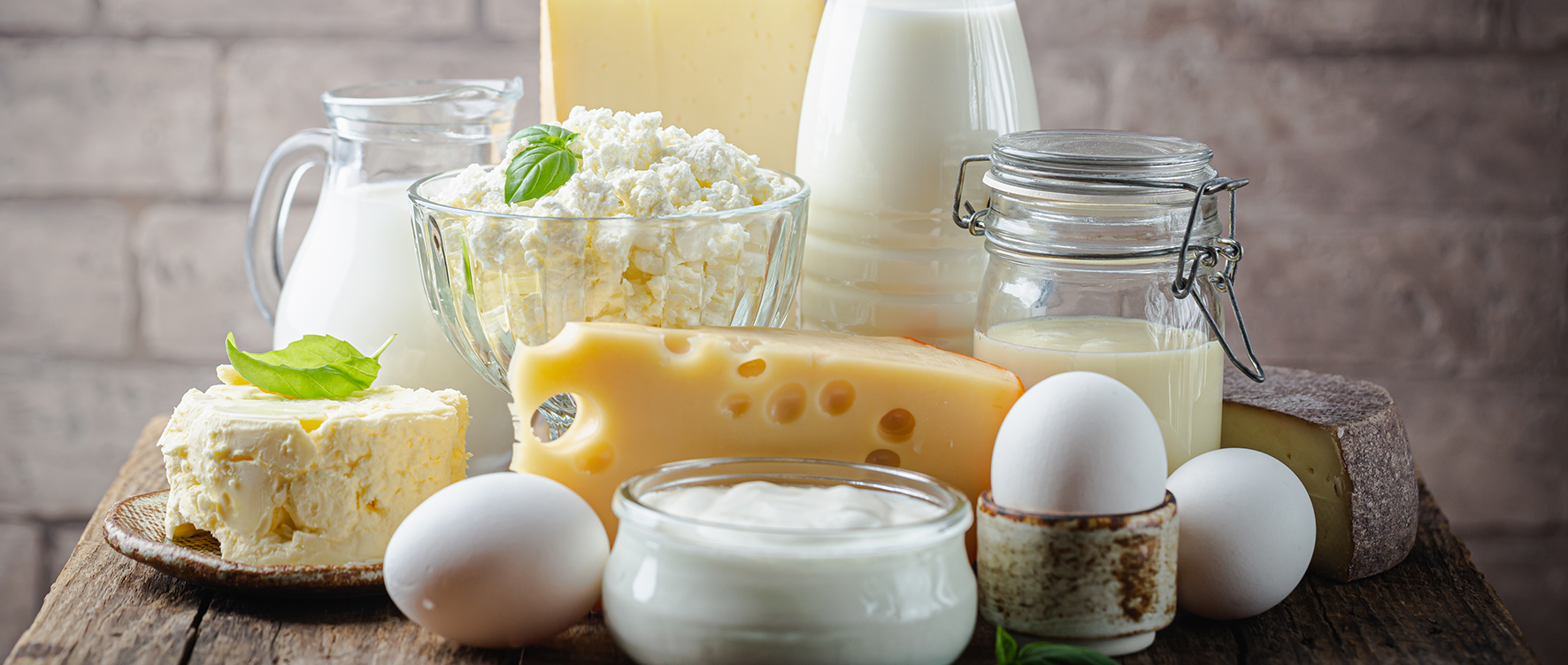
Milk, yoghurt and cheese can provide protein, calcium and several important vitamins and minerals. The key, as with most things we eat, is balance.
A little Parmesan grated over pasta, Greek yoghurt with breakfast or milk in your coffee isn’t going to undo an otherwise balanced diet. Equally, eating enormous quantities of cheese because “calcium is good for you” probably isn’t the answer either.
So, before we collectively banish the Cheddar from the fridge, let’s look at what dairy can actually contribute to our diets.
1. Dairy Is One of Our Best-Known Sources of Calcium
Ask most people where calcium comes from and milk will probably be the first answer.
There’s a reason for that.
Dairy products including milk, yoghurt and cheese are useful sources of calcium, which our bodies need to maintain healthy bones and teeth. Calcium also has roles in normal muscle function and blood clotting.

Adults need calcium throughout life, not just while their bones are developing.
And while calcium is certainly available from non-dairy foods — including some green vegetables, tofu, nuts, seeds and fortified products — dairy can be a particularly convenient way of getting it into an everyday diet.
A bowl of yoghurt at breakfast or milk added to cereal requires rather less nutritional planning than calculating the calcium content of everything you eat.
2. It’s an Easy Source of Protein
Protein has become the nutrient everyone suddenly seems to be talking about.
You don’t necessarily need a cupboard full of protein powders and bars to get enough of it.
Dairy foods can make a useful contribution.

Milk and yoghurt provide protein, while foods such as Greek-style yoghurt, cottage cheese and certain other dairy products can be particularly useful when you’re trying to increase the protein content of an ordinary meal.
Add yoghurt and fruit to breakfast, cottage cheese to a baked potato or some cheese to an omelette and you’ve increased the protein without dramatically changing what you’re eating.
Protein helps maintain and grow muscle mass and is also necessary for normal tissue repair and other functions throughout the body.
3. Dairy Can Support Bone Health
Calcium gets most of the attention when we talk about bones, but healthy bones aren’t built from a single nutrient.
Protein, vitamin D, phosphorus and other nutrients also have roles to play, alongside physical activity — particularly weight-bearing and resistance exercise.
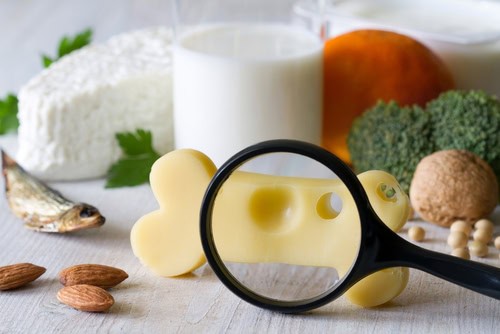
Dairy foods can contribute several nutrients involved in maintaining bones, which is one reason they’re commonly included within balanced dietary guidance.
That becomes increasingly relevant as we get older.
Bone health isn’t something most of us think much about when everything is working perfectly. But building and maintaining strong bones throughout adulthood is considerably more useful than suddenly becoming interested in them later in life.
4. Fermented Dairy Can Be Good for the Gut
Not all dairy is created in quite the same way.
Fermented dairy foods such as yoghurt and kefir contain live microorganisms when they’re produced with active cultures.
Some yoghurts contain cultures that can help with lactose digestion, while fermented foods more generally have attracted considerable interest in relation to the gut microbiome.

That doesn’t mean every yoghurt in the supermarket automatically qualifies as a gut-health food.
Some contain considerable amounts of added sugar, while others may not contain live cultures by the time you eat them.
If gut health is one of your priorities, check the ingredients and look for yoghurt containing live or active cultures rather than assuming the word “yoghurt” tells you everything you need to know.
5. Dairy Provides More Than Just Calcium
Milk’s nutritional reputation tends to begin and end with calcium, but there’s considerably more going on.
Dairy products can provide nutrients including protein, phosphorus, vitamin B12 and iodine.
Iodine is particularly interesting because it’s something many of us rarely think about.
Our bodies need iodine to make thyroid hormones, which are involved in processes including metabolism. Milk and dairy products are important dietary sources of iodine in the UK.
That doesn’t mean dairy is essential — these nutrients can be obtained elsewhere — but it does mean that eliminating an entire food group without considering what replaces it isn’t always as straightforward as social media makes it sound.
6. Yoghurt Can Make a Brilliant Everyday Food
If I were choosing one dairy product to keep permanently in the fridge, yoghurt would be high on the list.
It’s incredibly useful.

Have it with berries, fruit and nuts for breakfast. Add it to smoothies. Spoon it over spicy food. Turn it into a dressing with lemon, garlic and herbs. Use it in marinades. Add it to overnight oats.
Plain Greek or natural yoghurt also gives you the opportunity to control how sweet your food is rather than relying on heavily sweetened flavoured varieties.
And because yoghurt can provide both protein and calcium, it’s one of those ingredients that manages to be nutritionally useful without feeling remotely worthy.
7. Cheese Can Absolutely Be Part of a Healthy Diet
Good news: we’re not cancelling cheese.
Cheese provides nutrients including calcium and protein and can absolutely have a place within a balanced diet.
The reason moderation becomes important is that many cheeses are also relatively high in saturated fat and salt.

The answer doesn’t necessarily have to be choosing cheese that you don’t particularly like simply because it has “light” written on the packet.
You could just eat a little less of the good stuff.
Strong cheeses are particularly useful here. Mature Cheddar, Parmesan, feta and blue cheese bring enough flavour that relatively small amounts can transform a dish.
Think of cheese as an ingredient rather than the main event and you can still get plenty of enjoyment from it.
8. Dairy Can Be Particularly Useful When You’re Trying to Eat More Protein
There’s a reason foods such as cottage cheese and Greek yoghurt have become enormously popular again.
They’re easy.
Increasing protein doesn’t have to mean rebuilding your entire diet around chicken breasts and protein shakes. Adding naturally protein-containing foods to meals you’re already eating is often much more practical.
Greek yoghurt can become breakfast. Cottage cheese works with eggs, salads and baked potatoes. Milk can go into porridge. A little cheese can add protein and flavour to a meal.
It’s food rather than a “protein product”, which is an approach I much prefer.
9. Full-Fat Versus Low-Fat Dairy Isn’t Quite as Simple as It Sounds
For years, low-fat dairy was automatically presented as the healthier option.
The picture is more nuanced than that.
Full-fat dairy generally contains more saturated fat and calories, so quantity still matters. But the overall nutritional value of a food can’t always be judged from its fat percentage alone.
A plain full-fat yoghurt with fruit, for example, might fit your diet perfectly well.
Meanwhile, choosing something purely because it’s labelled low-fat doesn’t automatically make it nutritionally superior if it’s heavily sweetened or you don’t actually enjoy it.
Look at the whole food and the rest of your diet rather than becoming obsessed with one number on the label.
10. You Don’t Need Dairy at Every Meal to Get Its Benefits
This is where moderation comes in.
Recognising the health benefits of dairy doesn’t mean drinking pints of milk or finding a reason to put cheese on every dinner.
Dairy is one component of a varied diet.
You might have yoghurt at breakfast, no dairy whatsoever at lunch and a little Parmesan with dinner. Another day might include milk in porridge and nothing else.
There’s no prize for consuming the maximum possible amount.
The aim is simply to enjoy dairy foods in sensible quantities alongside plenty of vegetables, fruit, wholegrains, protein sources and healthy fats.
What If Dairy Doesn’t Agree With You?
Of course, dairy isn’t right for everybody.
Lactose intolerance can cause digestive symptoms including bloating, abdominal discomfort, wind and diarrhoea. The amount of lactose someone can tolerate varies, and some people can eat certain dairy products without experiencing problems.
Lactose-free dairy is also widely available.
A milk allergy is different from lactose intolerance and involves an immune response to proteins in milk. Anyone with a diagnosed milk allergy should follow the advice provided by their healthcare professional.
And if eating dairy consistently leaves you feeling unwell, that’s a considerably better reason to investigate it than somebody on TikTok telling you that humans weren’t “designed” to drink milk.
What About Plant-Based Alternatives?
There’s absolutely no reason this needs to become dairy versus plants.
You can drink oat milk in your coffee and still eat Parmesan.
Plant-based alternatives are useful for people who don’t consume dairy and for anyone who simply prefers them. But nutritionally, they aren’t automatically equivalent to dairy products.
Protein levels can differ considerably, and if you’re using plant drinks as a regular replacement for milk, choosing varieties fortified with nutrients such as calcium, iodine, vitamin B12 and vitamin D can help replace some of what you’re removing.
Again, the label matters more than the marketing on the front.
So, Is Dairy Healthy?
It certainly can be.
The health benefits of dairy include providing readily available calcium and protein alongside nutrients such as iodine, phosphorus and vitamin B12. Fermented dairy products such as yoghurt can bring additional benefits and are incredibly easy to incorporate into everyday meals.
But we don’t need to turn dairy into a superfood either.
Butter is still butter. Cheese can be high in salt and saturated fat. Sugary yoghurt doesn’t become a health food simply because it started life as milk.
Perhaps the most sensible position is the least dramatic one.
If you enjoy dairy and tolerate it well, there’s little reason to remove it simply because dairy-free diets happen to be fashionable. Choose good-quality foods, vary what you eat and pay attention to portions.
Have the yoghurt.
Put milk in your coffee.
Grate some Parmesan over your pasta.
Just perhaps don’t eat the entire block of Cheddar while you’re waiting for dinner to cook.
This article is for general information only and should not replace personalised medical or nutritional advice.
Explore travel, food and wellness features at Ravish Magazine, your go-to UK lifestyle magazine.