 Skip to content


6 Interior Colours That Can Make Your Home Feel Duller This Winter
Winter can completely change the way our homes look and feel. Shorter days, weaker natural light and long evenings spent under artificial lighting mean colours that looked beautiful during spring and summer can suddenly appear much darker, flatter or colder.
Paint colour is particularly affected by changing light. A shade that feels rich and sophisticated in bright daylight can look heavy once winter arrives, while cooler undertones can become much more noticeable in rooms that receive little direct sunlight.
That doesn’t necessarily mean reaching for a paintbrush and redecorating the entire house. Understanding how different colours behave in winter light can help you make smaller changes with lighting, textiles, artwork and accessories to create a brighter, warmer-feeling home.
How Winter Light Changes Interior Colours
Natural light isn’t consistent throughout the year. During winter, there are fewer daylight hours and the position of the sun changes, affecting both the amount and quality of light entering our homes.
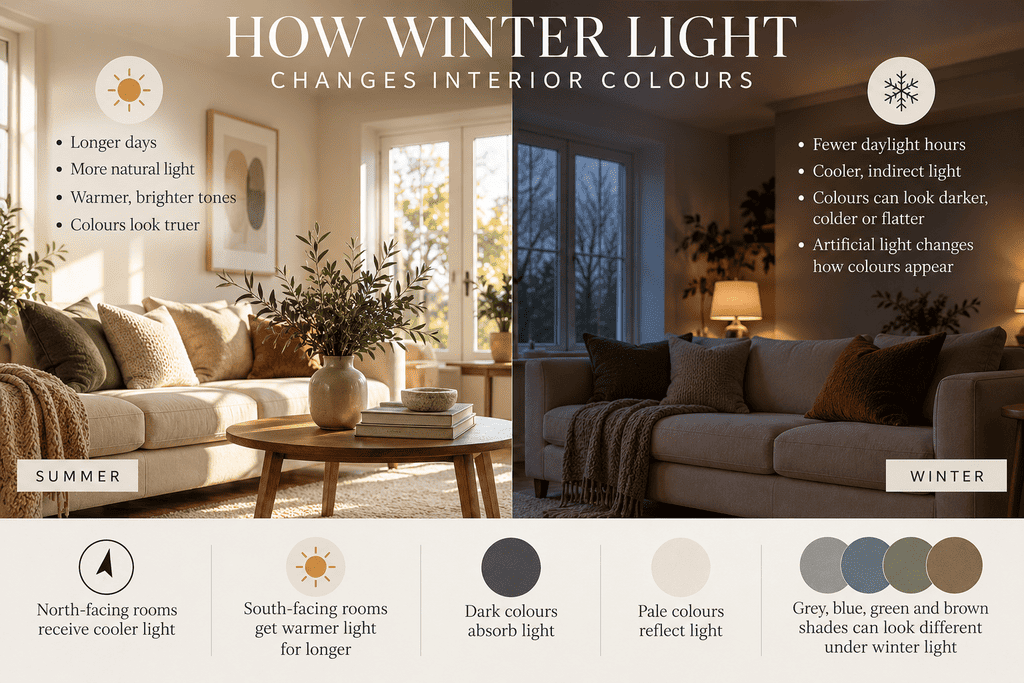
The direction a room faces also makes a difference. North-facing rooms generally receive cooler indirect light, while south-facing spaces tend to benefit from warmer natural light for longer.
Dark colours absorb more visible light than pale surfaces, so they can make an already dim room appear darker. Undertones also become increasingly important. Grey, blue, green and brown shades can look considerably different under cool daylight and warm artificial lighting.
If a room suddenly feels gloomy once autumn and winter arrive, the colour palette may simply be working differently in the changing light.
6 Colours to Be Careful With This Winter
1. Muddy Greys That Flatten Natural Light
Grey remains a popular neutral, but darker, muddier versions can be difficult in rooms with limited winter daylight.
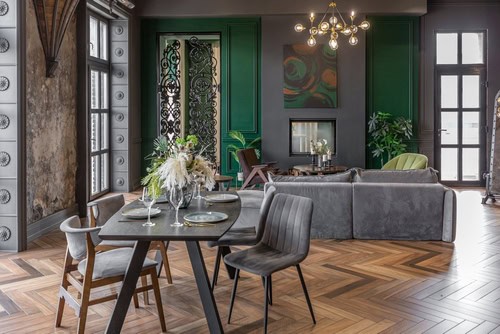
Rather than bouncing available light around the room, deeper greys can make walls appear flatter and darker. This can be particularly noticeable in smaller spaces or rooms with small windows.
That doesn’t mean grey has to disappear completely. Lighter greys with warmer undertones can provide a similar contemporary look without making a room feel quite as subdued.
If repainting isn’t an option, introduce lighter cushions, curtains, rugs and accessories to break up large areas of dark grey.
2. Harsh, Cold Blues That Make Rooms Feel Chilly
Blue can create a wonderfully calm interior, but very cool blues can become much more pronounced during winter.
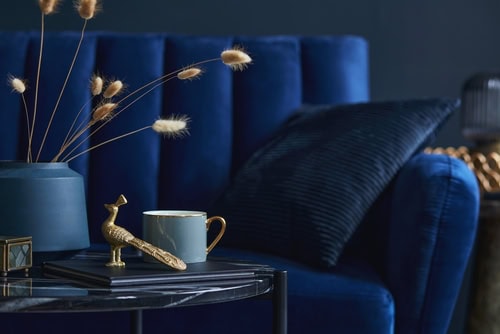
This is particularly true in north-facing rooms, where naturally cool daylight can emphasise blue and grey undertones. Under certain artificial lights, the same colour can also appear considerably different from the shade you originally chose.
Warmer blues, such as dusty blue or shades with subtle violet undertones, can feel softer. Alternatively, introducing warm wood, cream textiles and warmer lighting can help balance an existing cool-blue room.
3. Dark Browns That Can Overwhelm Smaller Rooms
Chocolate, espresso and other deep browns can create a rich interior, but using them extensively can make a room appear smaller and darker when daylight is limited.
The effect is often most noticeable when a deep brown is used across several walls or combined with equally dark furniture and flooring.
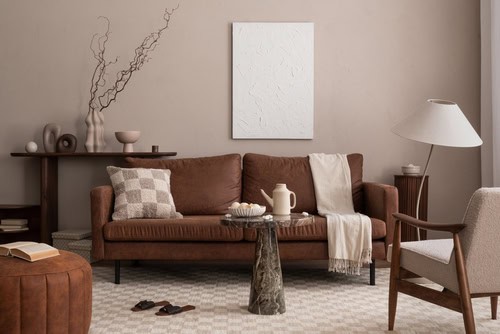
You don’t necessarily need to abandon brown, however. It can work beautifully as an accent colour, particularly when combined with warm neutrals, natural textures and lighter surfaces.
Cream, oatmeal, soft beige and natural wood can all help introduce contrast while retaining the warmth and depth of a brown colour scheme.
4. Muted Olive Greens That Lose Their Vibrancy
Olive green can be an elegant alternative to traditional neutrals, but some muted versions can lose much of their character when there isn’t enough natural light.
Colours containing significant amounts of grey or yellow may look particularly different under artificial lighting, sometimes appearing muddier than expected.
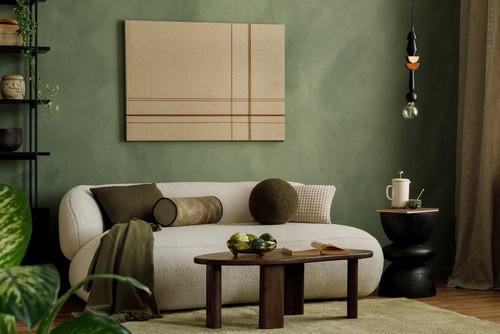
Before committing to an olive shade, it’s worth testing a large sample on several walls and looking at it throughout the day and evening. Paint samples can change considerably depending on their position within a room.
If you already have olive walls, pairing them with creamy neutrals, warm metallic finishes and plenty of layered lighting can help bring the colour back to life.
5. Overly Stark Whites That Can Feel Clinical
White might seem like the obvious solution to a dark winter room, but brilliant white isn’t always the most flattering choice.
Pure whites can look stark under artificial lighting and may emphasise cooler tones elsewhere in the room. Instead of creating the cosy winter sanctuary you imagined, the overall effect can sometimes feel clinical.
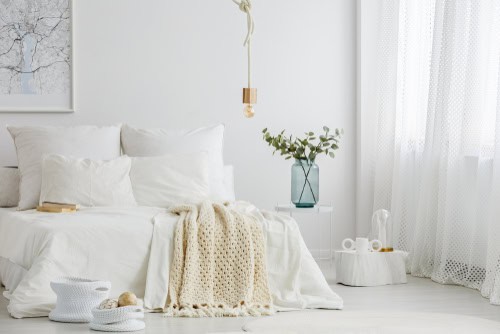
Warmer whites, off-whites and soft creams can provide the brightness associated with white while creating a gentler backdrop.
They’re also particularly useful if you want to brighten a room without introducing an obvious colour.
6. Deep Purples That Add Visual Heaviness
Deep plum, aubergine and burgundy-purple shades can bring drama and richness to an interior, but they also absorb a considerable amount of light.
In a large, well-lit room this can create an impressive statement. In a small room with limited winter daylight, however, using these shades across several walls can make the space appear much darker.
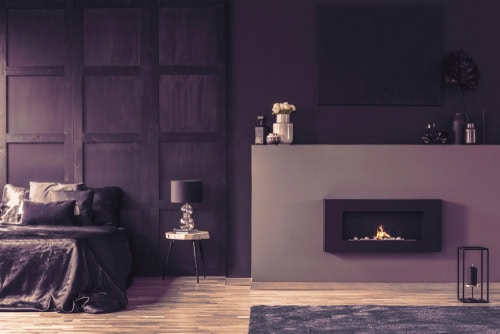
Consider using deeper purples more selectively through an accent wall, cushions, throws, artwork or other decorative pieces.
Pairing them with pale neutrals and reflective surfaces can also prevent the colour from dominating the room.
You Don’t Necessarily Need to Repaint
If your existing colour scheme suddenly feels too dark or cold as winter approaches, repainting your entire home isn’t the only answer.
Lighting is one of the easiest things to change. Rather than relying solely on a central ceiling light, use several sources at different heights. Table lamps, floor lamps and wall lights can create pockets of illumination and make a room feel more inviting after dark.
Warm-toned bulbs can also soften rooms dominated by cooler colours.
Soft furnishings offer another straightforward seasonal update. Cushion covers in burnt orange, terracotta, cream or warm neutral shades can introduce contrast without requiring a permanent change. Throws, curtains and textured rugs can have a similar effect.
Artwork is another simple way to introduce colour without committing to a new wall shade. Personalised creative pieces, such as the paint-by-numbers kits available from Davincified, can bring warmer or brighter tones into a room while allowing the existing décor to remain unchanged. Artwork is also easy to move between rooms or switch seasonally, making it a much less permanent way to experiment with different colours.
Mirrors can help move available light around a room, while metallic, glass and other reflective finishes introduce small points of brightness.
It’s also worth considering what’s immediately outside your windows. Heavy curtains, overgrown plants or furniture positioned in front of windows can reduce the limited natural light available during winter.
Ultimately, there are no colours that have to be completely avoided during the colder months. The important thing is understanding how a particular shade behaves in your individual space.
A dramatic dark brown might look spectacular in a bright south-facing living room but overwhelming in a small north-facing bedroom. Likewise, a cool blue that looks fresh in summer sunshine may appear much colder in December.
Rather than following strict colour rules, look at how your home changes with the seasons. A few carefully chosen lighting and styling changes can often make an existing colour scheme feel completely different — without opening a single tin of paint.