 Skip to content

How to Divide a Small Garden into Beautiful, Functional Zones
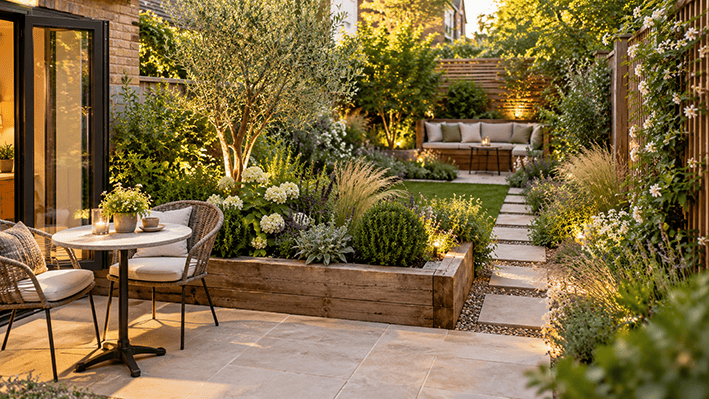
A compact garden can support dining, relaxing and planting without feeling crowded. The trick is to give each activity a clear place while preserving open sightlines between areas. Subtle changes in level, texture and lighting work better than bulky screens, especially where every metre matters. Start by measuring the plot and noting where sunlight falls during the day. A simple scale sketch will help you test layouts before moving pots, buying materials or lifting paving.
Define Your Everyday Outdoor Needs
List the two or three activities your garden needs to support most often. A small table near the kitchen may serve daily meals, while a bench in the sunniest corner creates a separate spot for reading. Keep occasional needs flexible. Folding chairs can accommodate guests without permanently taking up valuable floor space.
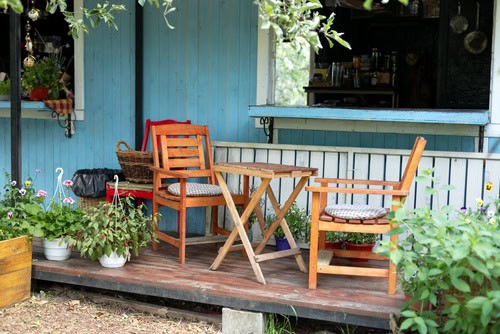
Basic landscape design principles can help you think about proportion, balance and movement through the garden. Leave a route at least 60 cm wide between key areas so you can carry a tray or watering can comfortably. Choosing the right outdoor furniture for your garden can also help you support different activities without overfilling the space.
Introduce Vertical Depth With Retaining Edges
A modest change in height can mark the transition from a seating area to a planted bed without closing off the view. Raised borders measuring around 30 to 45 cm high are noticeable enough to establish a zone and may also provide informal perching space.
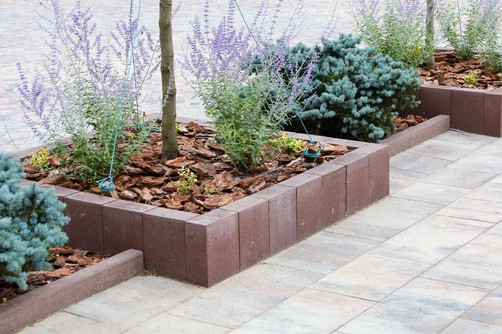
Treated garden sleepers can form straight or stepped retaining edges around beds, paths and patios. Set out the proposed line with string first, checking that doors, drains and access routes remain clear. Timber in contact with the ground needs suitable treatment and secure installation. If an edge will retain a substantial weight of soil, sit near a boundary or exceed a low decorative height, ask an experienced landscaper to assess drainage and structural support.
Choose Planting That Softens Hard Boundaries
Plants make physical divisions feel gentler and help each zone blend into the wider garden. Repeat two or three varieties across several beds to create continuity, then vary their height. Low herbs can edge a dining space, medium grasses can filter views, and a climber can draw attention upwards.
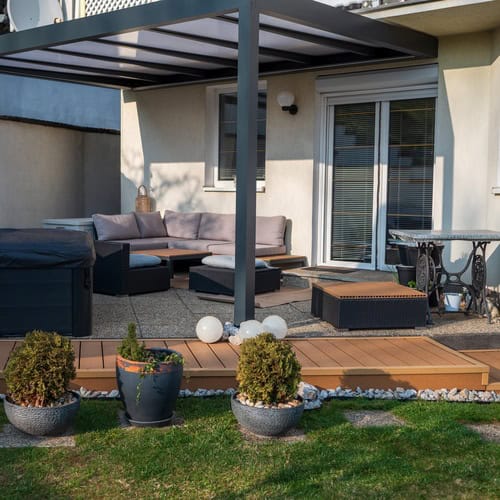
Ideas for adding vertical interest include slim trellises, pergolas and trained plants. These features occupy little ground space, making them useful beside narrow patios. Check the mature spread of every plant before buying it. One climber and three well-spaced grasses will usually look calmer than numerous small specimens competing for room. Position thorny or strongly scented plants away from tight walkways and dining chairs.
Unify the Palette With Ambient Lighting
Lighting should connect your zones while showing their different purposes. Use warm, low-level fittings along paths and retaining edges, then add a soft pool of light beside the table or main seat. Keeping the same light colour throughout prevents a compact plot from looking visually fragmented after dark.
Avoid lighting every plant or boundary. Two or three carefully placed sources will usually be enough for a small garden, with glare directed away from neighbouring windows. Solar lanterns suit flexible seating areas, while fixed outdoor fittings need the correct weather rating and professional installation where mains electricity is involved. Test temporary battery lights in the evening before committing to permanent positions. When the table, raised bed and pathway remain visible as connected layers, the garden will feel organised without losing its sense of space.
Ravish Magazine – discover more stories, insights and ideas from your UK lifestyle magazine.