 Skip to content


7 Ways Sustainable Tourism Can Help Protect the Maldives
With powder-white beaches, turquoise lagoons and some of the world’s most extraordinary marine life, the Maldives is the very definition of a tropical paradise. Yet beyond its luxurious overwater villas and picture-perfect scenery lies a fragile natural environment that requires careful protection.
Made up of around 1,190 coral islands scattered across the Indian Ocean, the Maldives depends on healthy reefs, thriving marine ecosystems and the resilience of its island communities. These natural assets are also what make the destination so appealing to travellers.
However, climate change, coastal erosion, waste management and pressure from tourism present significant environmental challenges.
This is why sustainable tourism in the Maldives has become increasingly important. Responsible travel isn’t simply about choosing accommodation with environmentally friendly credentials. It’s about understanding how tourism affects the islands and making informed decisions that support conservation, local communities and the natural environment.
From coral reef protection to responsible wildlife encounters, here are seven ways travellers can help preserve the extraordinary beauty of the Maldives.
1. Choose Accommodation That Takes Sustainability Seriously
The Maldives is renowned for its luxury resorts, but beautiful surroundings don’t automatically make a property environmentally responsible.
Operating accommodation on small, isolated islands can require considerable resources. Electricity generation, freshwater production, waste disposal and the transportation of supplies all contribute to a resort’s environmental footprint.
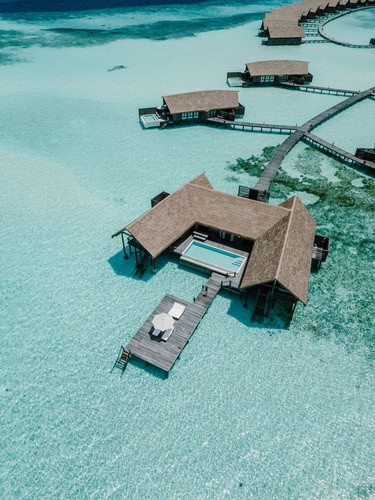
When choosing where to stay, look beyond general claims about sustainability.
Some properties invest in solar energy, water-saving systems, wastewater treatment and initiatives to reduce single-use plastics. Others work with conservation organisations or support environmental education in nearby communities.
It is worth asking what measurable improvements have been achieved rather than relying entirely on promotional statements.
Independent environmental certification may also provide useful information, although standards and assessment methods vary.
Consider whether a property publishes details about its energy consumption, waste management, marine conservation activities and relationships with local communities.
Responsible luxury should be about more than appearances. A hotel or resort that demonstrates genuine environmental commitment can help travellers make more informed choices.
2. Understand Why Coral Reefs Are So Important
The Maldives is surrounded by remarkable coral reef ecosystems that provide habitats for a wide variety of marine species.
These underwater environments are essential to the country’s biodiversity and also contribute to coastal protection by reducing wave energy.
Coral reefs support fish populations, provide opportunities for marine tourism and help sustain the livelihoods of people working in fishing and related industries.
However, reefs face serious challenges.
Rising sea temperatures can cause coral bleaching, a process in which stressed corals lose the symbiotic algae that provide much of their energy. Prolonged or repeated bleaching can result in widespread coral mortality.
Physical damage from careless diving, snorkelling and boating can place additional pressure on already vulnerable reefs.
Some conservation initiatives involve coral nurseries or transplantation projects, although these approaches are not substitutes for addressing the wider causes of reef degradation.
When visiting the Maldives, consider learning about local marine conservation efforts and supporting organisations that explain their methods and monitor results.
Understanding the importance of reef ecosystems can make time spent exploring the underwater world even more rewarding.
3. Snorkel and Dive Without Damaging Marine Life
Snorkelling and diving are among the most memorable experiences the Maldives has to offer.
From colourful reef fish to graceful rays and sea turtles, the surrounding waters provide remarkable opportunities to observe wildlife.
However, responsible behaviour is essential.

Corals are living animals, and even seemingly minor physical contact can cause damage.
Avoid standing on reefs, touching coral formations or collecting shells and other marine organisms.
When snorkelling, maintain awareness of your fins and avoid kicking coral in shallow water.
Divers should practise good buoyancy control and ensure equipment doesn’t drag across the seabed.
It’s also important not to chase, touch or feed marine animals.
Observing wildlife calmly from an appropriate distance is generally safer for both visitors and the animals themselves.
Before booking an excursion, ask operators about their environmental policies, group sizes and approach to wildlife encounters.
Experienced guides who follow recognised conservation practices can help visitors enjoy the marine environment without unnecessarily disturbing it.
4. Support Responsible Whale Shark and Manta Ray Encounters
The Maldives is particularly well known for encounters with whale sharks and manta rays.
The South Ari Atoll is an important area for whale shark sightings, while other locations throughout the archipelago are associated with seasonal manta ray activity.
Seeing these extraordinary creatures in their natural environment can be a highlight of a holiday.

Yet poorly managed tourism can disturb wildlife, particularly when boats and swimmers gather too closely around animals.
Responsible operators should provide clear guidance before entering the water.
This includes maintaining appropriate distances, avoiding sudden movements and never attempting to touch, ride or obstruct marine animals.
Boat operators should also follow relevant speed and approach guidelines to reduce the risk of collisions.
Choose excursions that prioritise animal welfare rather than promising unusually close encounters.
Some reputable operators also participate in research or contribute sightings and identification photographs to conservation programmes.
Supporting responsible marine tourism helps demonstrate that protecting wildlife is fundamental to the visitor experience.
5. Recognise the Importance of Coastal Vegetation
The Maldives’ natural beauty extends beyond its coral reefs and lagoons.
Coastal vegetation, including palms, shrubs and other plants suited to island conditions, contributes to the character and ecological health of the islands.
Vegetation can provide habitats for wildlife, support local biodiversity and, in appropriate locations, help stabilise sandy soils.

Some islands undertake planting and habitat restoration projects to address areas affected by erosion, development or environmental disturbance.
However, planting trees is not automatically a solution to coastal erosion.
The effectiveness of restoration depends on factors including the species selected, natural coastal processes, local geography and whether vegetation is appropriate for the site.
Poorly planned planting can sometimes cause unintended environmental problems.
For this reason, successful conservation projects require local ecological knowledge and long-term maintenance.
Visitors interested in participating in tree-planting initiatives should look for programmes that involve local communities and explain how their work contributes to wider restoration objectives.
Where possible, favour initiatives focused on protecting existing habitats as well as creating new ones.
6. Reduce Waste and Be Mindful of Island Resources
Managing waste presents particular challenges for small island destinations.
Limited land, dependence on imported goods and the logistics of transporting recyclable materials can make waste management complicated.
Tourism can increase the volume of packaging, food waste and disposable products requiring treatment or disposal.
Travellers can help by making relatively simple choices.

Bring a reusable water bottle where safe drinking-water refill facilities are available, avoid unnecessary disposable packaging and use reusable bags for shopping.
Many accommodation providers offer filtered drinking water, reducing the need for individually packaged bottles.
Try to avoid taking more food than you need at buffets, particularly where ingredients have been transported considerable distances.
Water conservation matters too.
Freshwater availability is limited on many islands, and desalination requires energy. Shorter showers and reusing towels when practical can reduce unnecessary consumption.
Small actions may seem insignificant individually, but responsible use of resources is particularly relevant in destinations with limited infrastructure.
7. Support Local Communities and Environmental Education
Sustainable tourism is about people as well as nature.
Although the Maldives is internationally associated with private island resorts, it is also home to established communities with their own cultural traditions, businesses and everyday lives.
Where appropriate, consider visiting inhabited islands, using locally owned services and purchasing products from independent businesses.
Organised visits can provide opportunities to learn about Maldivian culture, traditional livelihoods and the relationship between island communities and their surrounding environment.

Environmental education is another important part of long-term conservation.
Community-led projects, school initiatives and marine awareness programmes can help build local knowledge and encourage participation in protecting natural resources.
Travellers can support these efforts by choosing tourism providers that work collaboratively with communities rather than treating conservation as a marketing opportunity.
When visiting inhabited islands, remember that local customs and dress expectations may differ from those at private resorts.
Respecting cultural traditions is an essential part of travelling responsibly.
How to Identify Genuine Sustainable Tourism Initiatives
As environmental awareness grows, sustainability claims have become increasingly common throughout the travel industry.
Unfortunately, not every initiative delivers the benefits suggested by its promotional material.
Before booking accommodation or an excursion, consider asking a few straightforward questions.
- Does the business explain its environmental policies and provide evidence of measurable progress?
- Are conservation projects developed with qualified specialists and local communities?
- Does the organisation monitor and report the results of its environmental activities?
- Are staff trained to follow responsible wildlife and reef protection practices?
- Does the business demonstrate how tourism benefits local people?
A resort may promote a beach clean-up or tree-planting event, but these activities should be considered alongside its wider operations.
Energy use, water management, coastal development and waste disposal may have a much greater influence on its overall environmental impact.
Transparency is often a more useful indicator of genuine commitment than impressive-sounding environmental claims.
The Environmental Challenges Facing the Maldives
Understanding the pressures affecting the Maldives can help travellers appreciate why sustainable tourism matters.
Rising Sea Levels
The Maldives is one of the world’s lowest-lying countries, making it particularly vulnerable to rising sea levels.
Higher sea levels can increase the risk of coastal flooding, erosion and saltwater intrusion, although the effects vary between individual islands.
Coral Bleaching
Marine heatwaves and rising ocean temperatures can place significant stress on coral reefs.
Repeated bleaching events can weaken reef ecosystems, affecting biodiversity and the coastal protection they provide.
Coastal Development
Tourism infrastructure, land reclamation and changes to natural shorelines can alter sediment movement and affect marine habitats.
Careful planning and environmental assessment are therefore important when developing or expanding tourism facilities.
Waste and Water Management
The geographical isolation of many islands makes managing waste and supplying freshwater more complex.
Investment in efficient infrastructure and responsible resource management is essential for long-term sustainability.
Tourism-Related Emissions
International flights, speedboats, seaplanes and resort operations all contribute to the environmental footprint of a Maldivian holiday.
While travellers cannot eliminate these impacts entirely, choosing efficient transport arrangements and avoiding unnecessary transfers can form part of a more considered approach.
Can Luxury Travel in the Maldives Really Be Sustainable?
Luxury travel and environmental responsibility are not necessarily incompatible, but there are important limitations.
High-end resorts can invest in energy-efficient systems, responsible wastewater management and marine conservation. They may also create employment and support local businesses.
However, luxury accommodation can be resource-intensive, particularly when it involves extensive construction, imported materials, private transfers and high energy consumption.
Similarly, conservation initiatives cannot cancel out all the environmental impacts associated with international tourism.
The most credible approach is to recognise these trade-offs rather than presenting sustainable luxury as a perfect solution.
Travellers can make more informed decisions by choosing operators that demonstrate meaningful environmental improvements, supporting responsible excursions and respecting the natural environment throughout their stay.
Frequently Asked Questions About Sustainable Tourism in the Maldives
Is the Maldives a sustainable travel destination?
The Maldives faces significant environmental challenges, but some tourism operators and community organisations are working to improve conservation and resource management.
The sustainability of an individual holiday depends on factors including transport, accommodation, activities and personal choices.
Why are coral reefs important to the Maldives?
Coral reefs provide habitats for marine life, contribute to coastal protection and support activities including fishing, snorkelling and diving.
They are also an important part of the country’s natural environment and tourism economy.
Can tourists participate in coral restoration projects?
Some resorts and conservation organisations offer opportunities to learn about or support coral restoration.
Before participating, check whether the programme is scientifically informed, locally appropriate and subject to ongoing monitoring.
How can I protect marine wildlife while snorkelling?
Avoid touching coral, maintain an appropriate distance from animals, control your fins and follow guidance from responsible local operators.
Never chase, feed or attempt to handle marine wildlife.
What should I look for in an eco-friendly Maldives resort?
Look for transparent information about energy and water consumption, waste management, marine conservation, staff training and community involvement.
Independent certification can provide additional context, but it shouldn’t replace examining a property’s actual practices.
Protecting the Natural Beauty of the Maldives for Future Generations
The Maldives offers a rare combination of extraordinary marine biodiversity, spectacular scenery and distinctive island culture.
Yet the natural features that attract visitors are also vulnerable to environmental change and the pressures associated with development.
Protecting this remarkable destination requires more than occasional conservation campaigns. It depends on long-term investment, scientific research, responsible tourism practices and meaningful involvement from local communities.
Travellers also have a role to play.
By choosing accommodation carefully, respecting marine wildlife, reducing unnecessary waste and supporting genuine conservation initiatives, visitors can help encourage a more responsible approach to tourism.
Ultimately, sustainable tourism in the Maldives isn’t about sacrificing the pleasures of a tropical holiday. It’s about recognising the value of the islands’ natural environment and making thoughtful choices that help preserve it.
The most beautiful travel experiences are often those that leave us with a greater appreciation of the places we’ve visited — and a stronger desire to protect them.