 Skip to content


10 Natural Ways to Ease Menopause Symptoms and Feel More Like Yourself
From interrupted sleep and unexpected hot flushes to mood changes, brain fog and persistent tiredness, menopause can affect far more than your menstrual cycle. For some women, the transition is relatively straightforward. For others, the physical and emotional changes can make everyday life feel considerably more challenging.
The good news is that there are several natural ways to ease menopause symptoms and support your wellbeing throughout this stage of life. Simple changes to your diet, exercise routine, sleeping habits and stress levels can help you feel more comfortable and maintain your long-term health.
However, natural approaches don’t work equally well for everyone, and they aren’t necessarily a substitute for medical treatment. Understanding which lifestyle changes may help, and when additional support is needed, is an important part of managing menopause confidently.
Here are ten practical ways to look after yourself during perimenopause, menopause and beyond.
1. Eat a Balanced Diet That Supports Your Changing Body
What you eat can play an important role in your overall health during menopause, particularly when it comes to maintaining muscle, supporting bone health and managing energy levels.
Rather than following restrictive diets or cutting out entire food groups, concentrate on eating a varied selection of nutritious foods.

Include plenty of vegetables, fruit, wholegrains, lean proteins and healthy fats. Foods such as oily fish, nuts, seeds and olive oil provide valuable nutrients as part of a balanced diet.
Calcium is particularly important because declining oestrogen levels can contribute to bone loss. Dairy products, fortified alternatives, calcium-set tofu and certain green vegetables can help you meet your needs.
Vitamin D is also essential for bone health, so follow current NHS guidance on supplementation where appropriate.
A useful starting point: Include a source of protein at each main meal, choose fibre-rich carbohydrates and aim for a varied diet rather than searching for a particular menopause superfood.
There is no single food that can eliminate menopausal symptoms, but good nutrition supports health throughout the transition.
2. Make Strength Training Part of Your Weekly Routine
Exercise is one of the most valuable habits to maintain during midlife.
As we age, muscle mass and strength can gradually decline, while hormonal changes around menopause can affect body composition and bone health.
Regular resistance training helps maintain muscle strength, supports physical function and contributes to healthier bones.
You don’t necessarily need to join a gym or lift heavy weights to get started.

Bodyweight squats, resistance bands, light dumbbells and exercises such as wall press-ups can all provide an introduction to strength training.
Walking, dancing, hiking and other weight-bearing activities are also beneficial.
Try combining strength exercises with activities you enjoy, whether that’s swimming, cycling, Pilates or simply taking a brisk daily walk.
Why it matters: Exercise can support mood, sleep and general wellbeing, although it shouldn’t be presented as a guaranteed treatment for hot flushes or other hormonal symptoms.
The most effective routine is one you can maintain consistently.
3. Create a Sleep Routine That Works for You
Sleep disruption is one of the most frustrating aspects of menopause.
Night sweats, anxiety and changes in sleep patterns can make it difficult to fall asleep or stay asleep, leaving you feeling exhausted the following morning.
Improving your sleeping environment and bedtime habits may help.
Keep your bedroom comfortably cool, use lightweight bedding and choose breathable nightwear if you frequently wake feeling overheated.
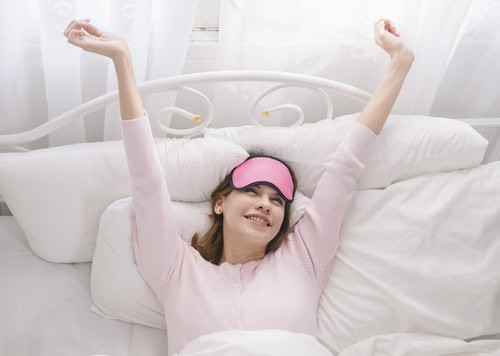
Try to maintain a consistent bedtime and waking time, even at weekends.
Reducing alcohol and caffeine later in the day may also improve sleep quality, particularly if you’ve noticed they make your symptoms worse.
Avoid spending long periods scrolling through your phone immediately before bed, and create a relaxing evening routine that allows you to unwind.
Reading, gentle stretching or listening to calming music may help.
If persistent night sweats are regularly disrupting your sleep, speak to your GP rather than simply accepting exhaustion as part of menopause.
4. Identify Your Personal Hot Flush Triggers
Hot flushes can occur unexpectedly, sometimes creating sudden sensations of heat, sweating and discomfort.
Although they are associated with hormonal changes, certain environmental and lifestyle factors may make episodes feel more troublesome.
Commonly reported triggers include hot drinks, spicy food, alcohol, caffeine and warm surroundings.
However, triggers vary considerably between individuals.
Rather than eliminating everything you enjoy, keep a simple symptom diary.
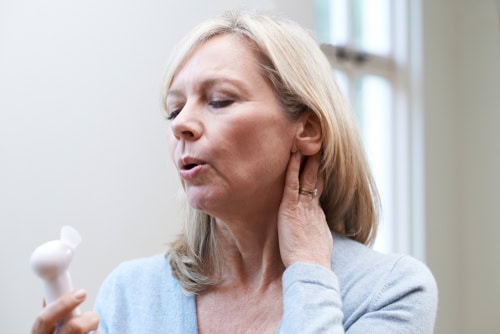
Record when hot flushes occur, what you were doing beforehand and whether there are any obvious patterns.
You may discover that certain situations consistently make symptoms worse, allowing you to make small adjustments.
Wearing lightweight layers, keeping drinking water nearby and using a fan can also help you feel more comfortable when symptoms occur.
Remember: Avoiding triggers may improve comfort, but evidence that these changes reliably reduce hot flushes is limited. You don’t need to give up foods or activities unnecessarily.
5. Try Mindfulness and Relaxation Techniques
Menopause can coincide with changes in mood, increased anxiety, irritability and feeling less able to manage everyday pressures.
Although relaxation techniques don’t correct hormonal changes, they can help support emotional wellbeing.
Mindfulness, meditation, breathing exercises and gentle yoga may be useful ways to build moments of calm into a busy day.
You don’t need to dedicate an hour to meditation.
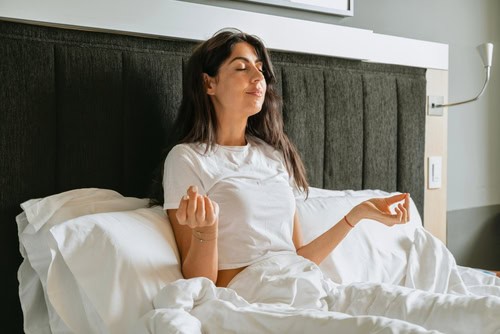
Even five minutes spent sitting quietly, breathing slowly and giving yourself a break from competing demands can provide an opportunity to reset.
Some women enjoy guided meditation, while others prefer walking outdoors, gardening or another absorbing activity.
The important thing is to choose something that genuinely helps you relax.
For more persistent menopause-related difficulties, menopause-specific cognitive behavioural therapy (CBT) is an evidence-based option worth exploring with a healthcare professional.
It may help with the impact of hot flushes, associated sleep difficulties and certain mood symptoms.
6. Protect Your Energy Rather Than Pushing Through Exhaustion
Feeling unusually tired can be particularly difficult when you’re balancing work, relationships and other responsibilities.
Sleep disruption may contribute to fatigue, but it isn’t always the only explanation.
Consider whether your daily routine allows sufficient time for rest, regular meals, movement and relaxation.
Taking short breaks during the working day can help interrupt long periods of concentration, while spending time outdoors may improve your sense of wellbeing.

Avoid relying exclusively on caffeine to manage tiredness, particularly if it interferes with your sleep later.
It may also help to review your commitments and recognise when your schedule has become unnecessarily demanding.
Importantly, persistent fatigue shouldn’t automatically be attributed to menopause.
Conditions such as anaemia, thyroid problems and sleep disorders can cause similar symptoms and may require investigation.
If tiredness is severe, persistent or noticeably different from your usual experience, arrange a GP appointment.
7. Support Your Brain Health and Concentration
Forgetting appointments, struggling to remember words or losing your train of thought can be unsettling, particularly if you’ve previously felt organised and mentally sharp.
Many women describe these experiences as menopause brain fog.
Changes in sleep, mood and hormonal activity may all contribute to difficulties with concentration and memory.
Although there isn’t a proven natural remedy that immediately eliminates brain fog, several practical strategies can make everyday tasks more manageable.
Try using reminders, calendars and written lists to reduce the mental effort involved in remembering multiple responsibilities.
Break larger projects into smaller tasks and allow uninterrupted time for activities requiring concentration.
Regular physical activity, adequate sleep and balanced nutrition also support general brain health.
Avoid purchasing expensive supplements simply because they promise improved memory or concentration.
Evidence for many products marketed specifically for menopause brain fog remains limited.
If memory difficulties are worsening, significantly affecting everyday life or accompanied by other concerning symptoms, seek medical advice.
8. Look After Your Vaginal and Intimate Health
Vaginal dryness, irritation and discomfort during sex are common menopause-related concerns, yet they often receive less attention than hot flushes or sleep problems.
Declining oestrogen levels can affect vaginal tissues and natural lubrication, sometimes making everyday activities and intimacy uncomfortable.
Fortunately, there are practical ways to manage mild symptoms.
Over-the-counter vaginal moisturisers designed specifically for intimate use can help relieve dryness, while suitable lubricants may reduce discomfort during sexual activity.

Avoid fragranced washes, douching and heavily perfumed products around the vulva, as these can cause irritation.
Comfortable underwear and gentle hygiene practices may also help.
However, persistent dryness, pain or recurrent urinary symptoms deserve professional attention.
Local vaginal oestrogen is an effective treatment option for many women and may be recommended when moisturisers and lubricants aren’t sufficient.
There is no reason to accept ongoing intimate discomfort as an unavoidable part of ageing.
9. Build a Support Network and Talk About Your Symptoms
Menopause can feel isolating, particularly when symptoms affect confidence, relationships or your ability to concentrate at work.
Talking openly with people you trust can make the experience easier to navigate.
Friends, partners, relatives and colleagues may not fully understand what you’re experiencing unless you explain how the symptoms affect you.

You might find it helpful to discuss practical adjustments, such as having better ventilation at work, greater flexibility around appointments or additional support when sleep has been particularly poor.
Connecting with others going through perimenopause or menopause can also provide reassurance and opportunities to share experiences.
However, remember that everyone’s symptoms and treatment needs are different.
What works for someone else may not be right for you.
Online communities can offer emotional support, but medical decisions should be based on reliable information and advice appropriate to your circumstances.
10. Be Cautious About Supplements Marketed for Menopause
The market for menopause supplements has grown considerably, with products promising improvements in sleep, mood, energy, hot flushes and concentration.
Although the idea of a simple natural solution can be appealing, marketing claims don’t always reflect strong scientific evidence.
Some herbal preparations, including black cohosh and products containing plant isoflavones, have been studied for menopausal symptoms.
However, results are mixed, product formulations vary and questions remain about safety, quality and interactions with medicines.
Natural doesn’t automatically mean harmless.
Herbal supplements can interact with prescription medication, and certain ingredients may be unsuitable for people with particular medical conditions.
If you’re considering a supplement, speak to a pharmacist or GP first, especially if you take regular medication or have a history of hormone-sensitive conditions.
Where a nutritional deficiency has been identified, appropriate supplementation may be beneficial.
For most people, however, maintaining a balanced diet and obtaining individual medical advice is a more reliable starting point than purchasing multiple products promising hormonal balance.
When Should You Speak to Your GP About Menopause?
Lifestyle changes can support wellbeing, but you don’t have to manage significant symptoms alone.
Arrange an appointment if hot flushes, night sweats, mood changes, vaginal discomfort or sleep problems are affecting your quality of life.
A healthcare professional can help determine whether your symptoms are associated with perimenopause or menopause, consider other possible explanations and discuss treatment options.
Hormone replacement therapy (HRT) is an effective treatment for many menopausal symptoms, particularly hot flushes and night sweats. Non-hormonal treatments and menopause-specific CBT may also be appropriate depending on individual circumstances.
If you experience menopause symptoms before the age of 45, seek medical advice, as early menopause can have additional implications for long-term health.
Any vaginal bleeding after menopause should also be assessed promptly.
Frequently Asked Questions About Natural Menopause Relief
Can you ease menopause symptoms naturally?
Lifestyle measures such as regular exercise, healthy eating, sleep routines and stress management may improve overall wellbeing and help some women manage symptoms.
However, their effectiveness varies, and they may not provide sufficient relief for moderate or severe symptoms.
What helps with menopause hot flushes?
Keeping cool, wearing lightweight layers and identifying personal triggers may help with day-to-day comfort.
For more effective symptom treatment, HRT and certain non-hormonal options can be discussed with a healthcare professional.
Does exercise help during menopause?
Regular exercise supports muscle strength, bone health, mood and general wellbeing.
Strength training and weight-bearing exercise are particularly valuable for maintaining physical health during midlife.
Are natural menopause supplements safe?
Not necessarily. Herbal products can vary in quality and may interact with prescription medicines.
Speak to a healthcare professional before using supplements specifically marketed for menopause.
How long do menopause symptoms last?
Symptoms vary considerably. Some women experience relatively mild changes, while others have symptoms that continue for several years.
The intensity and type of symptoms can also change throughout perimenopause and after menopause.
Finding the Right Approach to Menopause
Menopause is a natural life transition, but that doesn’t mean you should have to tolerate symptoms that interfere with your happiness, health or everyday routine.
From prioritising restorative sleep and maintaining muscle strength to managing stress and looking after intimate health, small lifestyle changes can make a worthwhile contribution to your overall wellbeing.
Equally important is recognising that natural remedies have limitations.
There is no universal solution, and effective medical treatments are available when lifestyle adjustments aren’t enough.
Ultimately, the best approach is one that reflects your individual symptoms, health needs and preferences.
Looking after yourself during menopause isn’t about trying to reverse the changes taking place. It’s about finding practical, sustainable ways to feel healthier, more comfortable and more confident as you move through them.