 Skip to content

How to Plan a Home Renovation Without Losing Control of the Budget
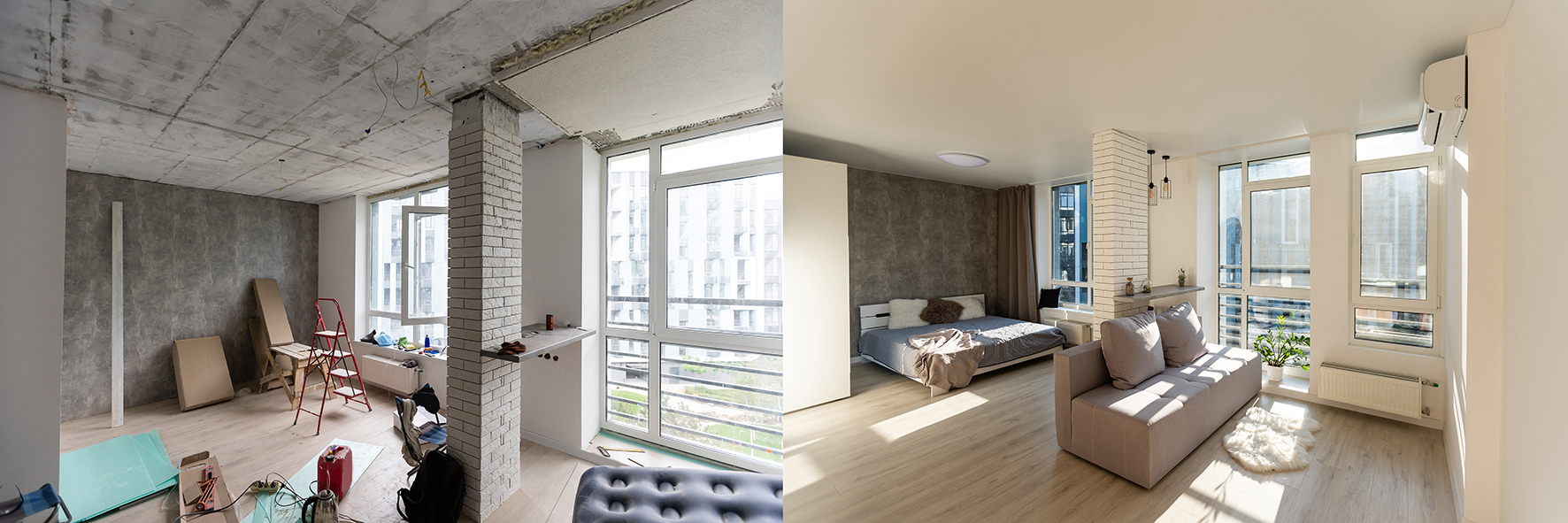
Home renovations are vital undertakings, and exciting ones too – for many a household, renovation work heralds a new start in a home, whether it is a first home or simply a next home. But renovation work is also daunting, representing a holistic (and costly) shift for your living space, not to mention an interruptive event. Planning such major works is rightfully scary stuff, but the following tips can help guide your hand in making plans.

Making Decisions
Any large-scale renovation project is an exercise in decision-making. There are innumerable decisions to make at every stage in the process, from early considerations about budget and theme to late-stage finishing touches and even beyond that. Before you start committing financials to paper or talking to contractors, it is best to make as many of these decisions as possible in advance – not only to give your renovations direction but also to enable better response to compromise or change as things develop.
Start with the big-ticket items. In acknowledging your budget might realistically only stretch so far (something we’ll address properly in a moment), you can order certain larger jobs with regard to their importance and your own priorities. Which things will you invest in, and which will you muddle through in a DIY manner?
You also might want to consider making interior and decor decisions ahead of time. Have in mind what kind of furniture you want in your home, particularly larger pieces that you’ll want to have arrive as soon as the decorating is done – they can often take weeks, if not months, to arrive, especially if they’re bigger, more complex pieces like a recliner sofa or sofa bed. Deciding on possible furniture options in advance can save you both time and money during your renovation.
Budgeting
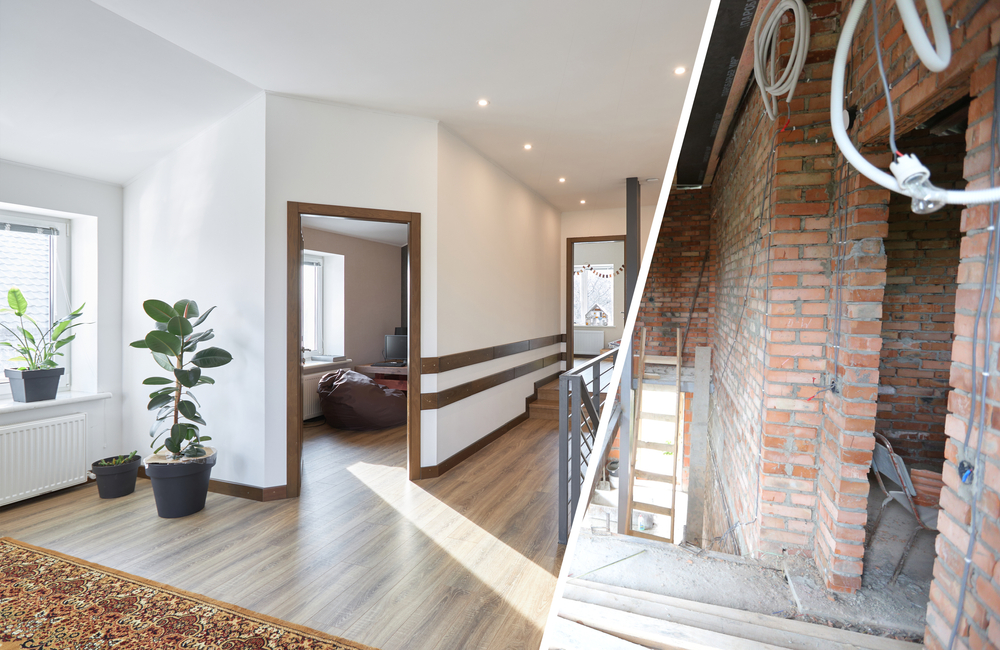
These decisions go hand-in-hand with more involved discussions about the nature of your finances – or, at least, the money you can commit to your renovation endeavours. Renovation is ultimately expensive business, whether costs are diluted across myriad ‘little things’ or concentrated in large jobs such as kitchen refits.
In the event that you’d like the funds for the latter, but cannot quite make things work, there are many ways you can work your finances to make it possible. For example, where pre-existing debts are giving you cause for concern in relation to financing larger works, a debt consolidation loan can simplify matters and make further financing easier to organise.
Contractors
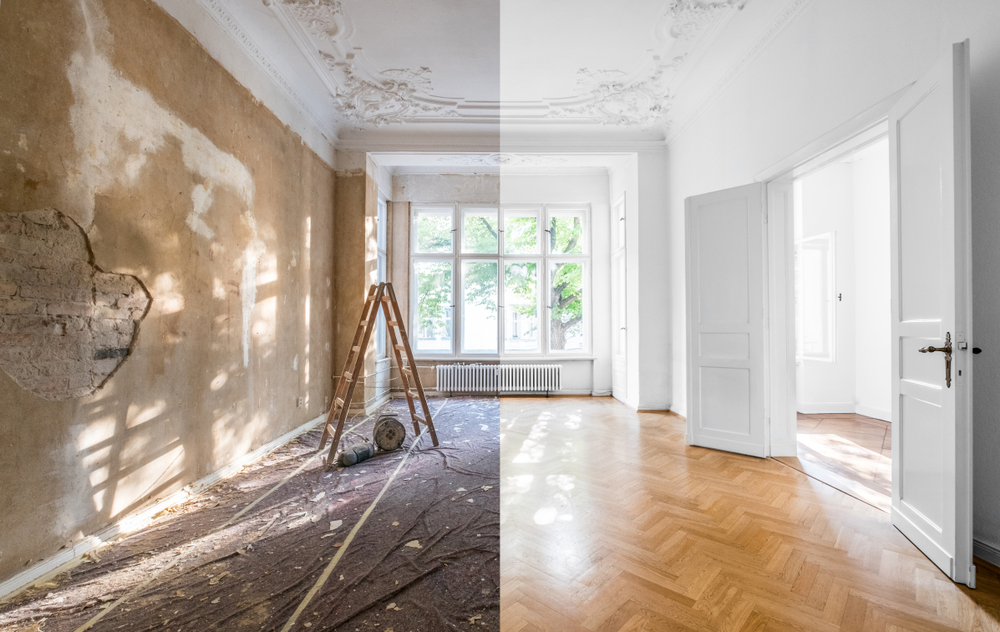
Often the biggest cost relating to renovation work is that of labour; manpower, and skilled manpower at that, is rightfully costly. Skilled contractors are in high demand, too, which can make booking in projects more difficult dependent on their size and value.
Working DIY can dramatically reduce overall costs associated with renovation, but would not be recommended for larger-scale or skilled works such as electrical and plumbing. When you do come to choose a contractor team, be sure to choose from a shortlist that come well-recommended. Testimonials and even word-of-mouth are worth a great deal here.
Make sure you pay attention to the contractors who provide smaller fitting jobs. While it’s common for home renovators to focus on the main contractors carrying out the work, it’s also handy to look at reviews and testimonials from subcontractors carrying out specialist services. For example, let’s say that you want a loft balustrade service for your attic conversion project. Going to reputable suppliers who can provide you with high-quality wood and a great finish while also integrating with other subcontractors’ work is exactly what you want.
Preparing for Works
Finally, there comes the logistical preparations for your renovation works. Where work is DIY and piecemeal, staying ‘on-site’, so to speak, is not only feasible but recommended. However, larger-scale works and refurbishments can make living comfortably impossible. As such, you might benefit from making plans for alternative accommodation.