 Skip to content

How to Plan Your Next Adventure on Two Wheels
A successful motorbike escape starts with a clear route, realistic daily distances and a bike prepared for the miles ahead. Spontaneous detours can still be part of the fun, but sorting out the practical details before departure leaves you free to enjoy them.
From a long weekend in the countryside to a multi-day tour across several regions, the same basics apply. You need a plan that accounts for fuel, weather, rest and the limits of both rider and machine.
Embrace the Open Road
Two-wheeled travel gives you a direct connection to the places you pass through. Minor roads reveal villages, viewpoints and independent cafés that are easy to miss on faster routes. Even a familiar region can feel different when you build the day around enjoyable roads instead of the quickest arrival time.
Set a simple purpose for the trip before choosing the route. You might want to follow a stretch of coastline, ride through a national park or link several historic towns. A clear theme helps you decide which stops deserve time and which diversions will only make the schedule harder. Accounts of open-road exploration can also provide ideas for balancing distance with time spent off the bike.
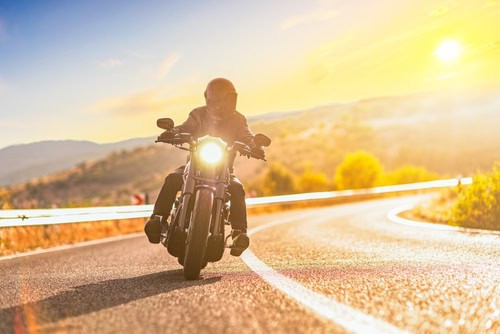
Keep the first escape manageable if you’re new to touring. Two days with 100 to 150 miles per day will teach you plenty about packing, concentration and comfort without placing too much pressure on the schedule. Choose accommodation that allows late check-in and secure parking where possible, then save the address and contact details offline.
Food can give a longer route a useful structure too. Plan one or two memorable stops while leaving room for local discoveries. Ravish’s guide to a Southern foodie road trip shows how regional dishes can turn a collection of roads into a richer travel experience.
Route Planning Essentials
Build the route around time in the saddle, not mileage alone. A 200-mile day on flowing main roads may be straightforward, while 120 miles of narrow lanes, repeated bends and town traffic can demand far more concentration. Check estimated riding time, add breaks and allow extra time for roadworks or poor conditions.
Detailed road trip planning steps can help you organise the main stages. Mark fuel stops before entering rural areas and identify alternatives in case a station is closed. As a general rule, take a short break every 60 to 90 minutes, even if you still feel fresh. Fatigue often becomes noticeable only after judgement and reaction speed have started to decline.
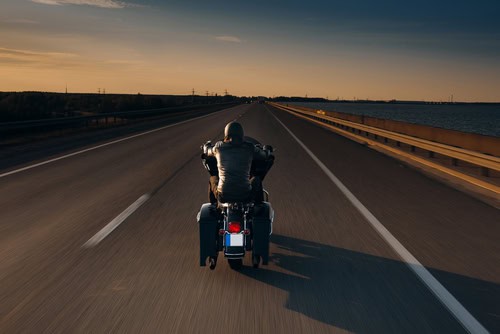
Download your route for offline use and carry a charging cable or power bank. Mobile coverage can disappear in valleys and remote areas, while continuous navigation drains a phone battery quickly. A written list of key road numbers, fuel stops and accommodation addresses provides a useful back-up.
Complete the administrative checks at the same time. Confirm that your licence, breakdown arrangements and motorbike insurance suit the bike and planned use. For international travel, check entry rules, required documents and local road regulations well before departure. Store digital copies separately from the originals, but keep any documents that must be produced physically in a waterproof pouch.
Gear Up for Comfort and Safety
Comfort has a direct effect on concentration. Clothing that pinches, leaks or allows you to become too cold will turn a pleasant day into an exhausting one, so test your full riding outfit before leaving. Wear it on a local ride lasting at least two hours and note any pressure points or areas where wind and rain get through.
Use thin, adjustable layers under protective clothing. Temperatures can change sharply between an early start, a high route and a sunny afternoon. A compact waterproof outer layer adds flexibility without taking up much luggage space. Spare gloves are valuable after heavy rain, while a neck tube can reduce cold air entering around the collar.
Pack the items you’ll need during the day where you can reach them without unpacking everything. Water, sunglasses, a visor cloth and any daily medication belong near the top of a bag. Keep heavier luggage low and balanced across the bike, then secure every strap so that nothing can reach a moving part or hot surface.
Preparation advice for a first adventure trip can help you separate useful equipment from unnecessary weight. A compact packing list might include:
- Water and high-energy snacks
- A basic first-aid kit
- Waterproof layers and spare gloves
- Phone charging equipment
- A small torch
- Personal documents and emergency contacts
Ride with the loaded bike before departure. Added weight can affect steering, braking and low-speed balance, so a short test run gives you time to adjust the load.
Preparing Your Bike for the Journey
Check the bike several days before you leave, allowing time to address any problems you find. Start with tyre condition and pressure, using the manufacturer’s figures for the expected load. Look for embedded objects, cracks and uneven wear. A tyre close to its limit at home may not have enough useful life for a long tour.
Inspect fluid levels, lights, indicators and mirrors. Test both brakes and examine visible components for unusual wear or damage. If the bike uses a chain, check its condition, tension and lubrication according to the manufacturer’s instructions. Pack the correct lubricant if the distance or weather is likely to require another application.
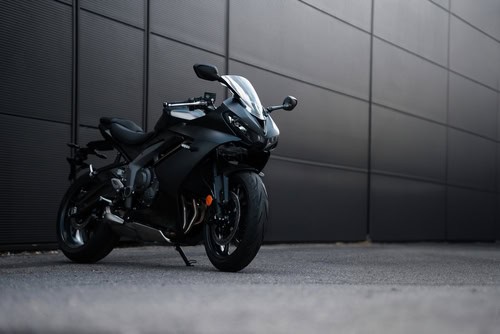
Your luggage also needs a mechanical check. Confirm that cases are locked onto their mounts and soft bags cannot shift. Compress the suspension by sitting on the fully loaded bike, ideally with a passenger if one is travelling, and make sure nothing rubs against the tyres or bodywork.
Arrange a professional inspection if servicing is due or you’re uncertain about any part of the bike. Schedule it early enough to complete a test ride afterwards. That ride may reveal a loose fitting, an unfamiliar control setting or a change in handling that needs attention.
Fill the tank the evening before departure and set the trip counter to zero. A straightforward seven-step road trip plan can help coordinate final bookings and vehicle preparation so that small tasks aren’t left until the morning.
Peace of Mind on Every Mile
Share your planned route and overnight stops with someone at home, including an approximate arrival time. Agree on when you’ll check in and what they should do if they don’t hear from you. If the route changes substantially, send an update while safely parked.
Weather deserves another look on the evening before departure and each morning of the trip. Focus on conditions along the whole route, since a dry start can hide heavy rain or strong winds later in the day. Change the plan if visibility, surface water or gusts make a section uncomfortable. Accommodation and bookings can usually be adjusted more easily than the consequences of pressing on while tired.

Keep an emergency contact in your phone under a clear label and carry the same information on paper. Record any medical details that responders may need, along with breakdown contact numbers and your accommodation address. If travelling with someone else, discuss what you’ll do if you become separated. A named meeting point is more reliable than assuming both riders will stop in the same place.
Once under way, assess your energy at every break. Drink water, eat something light and stretch before getting back on the bike. If your attention begins to wander or you repeatedly miss directions, stop for longer. The best escape leaves enough space in the schedule to pause at an unexpected viewpoint, wait out a shower or arrive before fatigue takes over.