 Skip to content


How to Plan a Stress-Free Caravan Adventure From Start to Finish
A successful caravan adventure starts long before you hitch up and pull away. A sensible route, a carefully chosen touring caravan and a realistic packing list can turn a potentially stressful drive into a relaxed break. Plan the practical details early and you’ll have more freedom to enjoy each stop without worrying about missed bookings, unsuitable roads or forgotten kit.
Choosing Your Ideal Route
Start with the amount of time you genuinely have, including the drive home. A seven-night holiday rarely suits a route with six different stops because frequent packing, pitching and towing can eat into whole afternoons. Two or three bases will usually give you a better balance between exploring and relaxing.
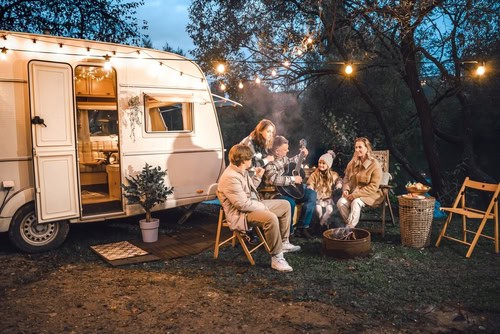
Mark your main destinations first, then check the roads that connect them. A route that looks quick on a mapping app may include narrow lanes, low bridges or sharp gradients that aren’t comfortable with a caravan. Use caravan-friendly route planning where possible and compare it with recent campsite directions. The site’s own arrival advice may recommend a longer road that avoids a difficult village centre.
Build some flexibility into each driving day. A distance of 150 miles could take far longer than expected once you include fuel stops, meal breaks and traffic. A practical road trip planning process should also account for rest days and alternative stopping points.
Save key locations offline, including campsites, service areas and nearby supermarkets. Mobile coverage can disappear in rural areas. Broader van life road trip tips can also help you plan water stops, overnight facilities and comfortable driving intervals. Before setting off, share the route and expected arrival times with someone at home.
Packing Essentials for Life on Wheels
Caravan packing works best when every item has a purpose and a secure storage place. Begin with the everyday basics: weather-appropriate clothing, toiletries, bedding, towels, cooking equipment and chargers. A detailed road trip essentials list can help you catch smaller items that are easily forgotten, such as reusable water bottles, a torch and a portable power bank.
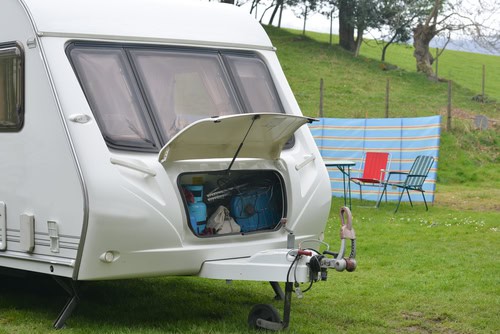
Keep weight in mind as you load. Check your caravan’s permitted limits and distribute belongings evenly, placing heavier items low down and close to the axle where the manufacturer advises. Cupboards and drawers should latch firmly. Loose objects can shift during travel, so store crockery, food containers and small appliances in fitted compartments or non-slip boxes.
Create a small arrival kit that stays easy to reach. It might contain:
- Levelling aids and wheel chocks
- Hook-up cables and approved adaptors
- A torch and spare batteries
- Work gloves and basic cleaning supplies
- A water container and waste-water equipment
- Booking details and site access instructions
Pack meals for the first evening and breakfast the next morning. After a long drive, you may not want to search for a shop or cook something complicated. Check what your campsite provides before filling the caravan with bulky extras. If the site has laundry facilities, for example, you can take fewer clothes and free up useful storage space.
Finding the Perfect Touring Caravan
Your ideal caravan should suit how you expect to travel most often. A couple taking frequent short breaks may prefer a lighter two-berth model that’s easy to tow and pitch. A family spending two weeks away could benefit from fixed beds, a larger washroom and a separate seating area, even if that adds length and weight.
Before viewing models, confirm the towing limits for your vehicle and check the rules that apply to your driving licence. Compare the caravan’s weight figures with your vehicle handbook and seek qualified advice if the match is unclear. Allow for food, water, clothing and equipment because the empty caravan figure doesn’t represent the full touring load.
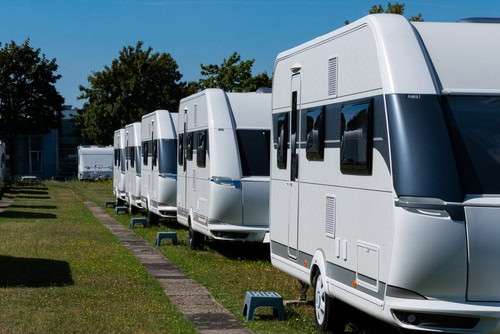
When you’re ready to buy, working with a touring caravan specialist dealer can give you access to services such as history checks, warranty reassurance, part exchange and nationwide delivery. Ask for all supporting paperwork and inspect the caravan in daylight before agreeing to the purchase.
Look closely for signs of damp, including musty smells, staining and soft wall panels. Test cupboard catches, windows, taps, lighting and fitted appliances. Check tyre age as well as tread depth, and examine seals around roof lights and doors. Spend ten minutes sitting and moving around inside. Make up the bed if possible, stand in the shower area and imagine preparing breakfast on a wet morning. A layout that looks spacious in photographs can feel quite different once everyone and their belongings are inside.
Campsite Considerations and Bookings
Choose campsites according to how you’ll spend your days. A peaceful rural pitch may be perfect if you plan to walk locally, while a site near public transport can make city visits much easier. Families may value a play area and larger washrooms, whilst adults seeking a quiet break might prefer a smaller site with set quiet hours.
Read the pitch details carefully. Confirm whether it is grass or hardstanding, how much space is available and if the electric hook-up point is close enough for your cable. Check the policy on awnings, pets, extra vehicles and late arrivals. Some sites also have minimum stays during bank holidays or require a deposit that becomes non-refundable near the arrival date.
For a longer tour, book popular destinations first and keep less busy stops flexible. A structured caravan trip planning guide can help you organise reservations, driving stages and overnight facilities in a logical order. You can also explore these tips for saving money when booking a camping holiday to find ways to manage campsite costs and plan your stay more carefully. Keep confirmation emails in one folder and download copies before leaving home.
Call ahead if you expect to arrive late. Site owners may need to provide a gate code or direct you to a temporary stopping area. On arrival, inspect the pitch before reversing onto it, noting soft ground, overhanging branches and the location of service points. Positioning carefully at the start saves repeated adjustments once the steadies, water supply and awning are set up.
Staying Safe and Secure on the Road
Complete a walk-around check every time you leave a campsite, even if you only stopped for one night. Confirm that the hitch is connected correctly, the breakaway cable is attached as instructed and the jockey wheel is raised and secured. Close windows and roof lights, retract steps, disconnect services and lock external storage compartments. Make sure interior doors are fastened so they can’t swing open in transit.
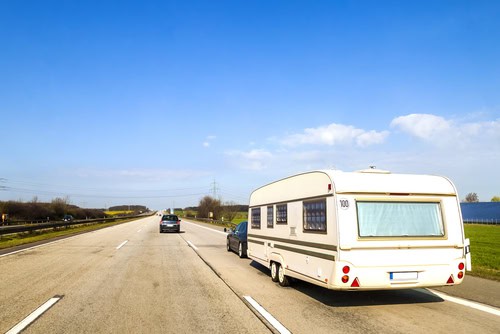
Tyres deserve particular attention because caravans may cover relatively few miles while sitting unused for long periods. Check pressures when the tyres are cold and follow the manufacturer’s figures. Look for cracking, bulges or embedded objects and replace ageing tyres according to professional guidance even when the tread still appears acceptable. Test the road lights after hitching and clean dirty lenses before departure.
On the road, leave more space for braking and avoid sudden steering inputs. Strong crosswinds, passing larger vehicles and steep descents can affect stability. Slow down when conditions change and take regular breaks before tiredness affects concentration.
At the campsite, secure the caravan whenever you go out and avoid leaving valuables visible through windows. Keep keys, emergency contacts and booking information in a consistent place that everyone in your group knows. A simple written departure checklist stored beside the door can prevent common mistakes.
Your final task before each driving day should be the same calm, unhurried circuit of the caravan. Check every connection, locker, light and window, then take one last look at the empty pitch before pulling away.
Explore travel, food and wellness features at Ravish Magazine, your go-to UK lifestyle magazine.