 Skip to content


Clear communication can ease everyday pressure by replacing guesswork with shared understanding. When you explain what you need, listen carefully and check that you’ve understood someone correctly, problems often feel more manageable. These habits support communication and mental health because they give worries somewhere to go before they grow. They also help you ask for practical support, respond thoughtfully and feel less alone during difficult periods.
The Stress of Misunderstanding
Misunderstandings leave room for the mind to fill in gaps, often with the worst possible explanation. A delayed reply may feel like rejection, while a vague request at work can create hours of unnecessary worry. Reduce that uncertainty by using direct language and confirming key details. Try saying, “Just to check, do you need this by Thursday afternoon?” instead of relying on assumptions.

Clear conversations matter especially when money is causing strain. A published commentary from Daniel Tilipman considers how individual debt relief can have wider effects, highlighting why financial difficulties shouldn’t remain hidden. Discussing deadlines, household costs or repayment concerns early gives everyone more time to consider realistic next steps.
Building Stronger Relationships
Healthy relationships depend on people feeling heard. Give someone your full attention, let them finish and reflect back the main point before responding. A simple phrase such as “It sounds as though the change of plan left you feeling overlooked” can show that you’ve understood the emotional issue as well as the facts.

Guidance on relationships and communication also highlights the value of listening and expressing feelings clearly. During disagreements, describe the specific behaviour and its effect. “I felt worried when I didn’t hear from you” is easier to discuss than a sweeping accusation. Keep the conversation focused on the current concern instead of introducing several old grievances at once.
Sharing Life’s Important Moments
Good news and difficult news both deserve clear, considerate delivery. Before an important conversation, decide what the other person needs to know and what you hope will happen next. If you’re announcing a career change, for example, share the timing, any effect on the household and the support you may need during the transition.

Choose an appropriate setting too. Sensitive updates are best shared privately, without phones or looming appointments competing for attention. Give the other person time to react, particularly if the news affects their plans. You don’t need a perfect speech. Honest wording, a calm pace and space for questions usually create a more supportive exchange than a rushed message sent without context.
Setting Healthy Boundaries
Boundaries protect your time, energy and emotional wellbeing, but other people can only respect limits they understand. State them early and make the wording specific. “I can talk for 20 minutes this evening” gives clearer guidance than saying you’re busy. At work, you might explain that requests received after 4 pm will be handled the following morning.
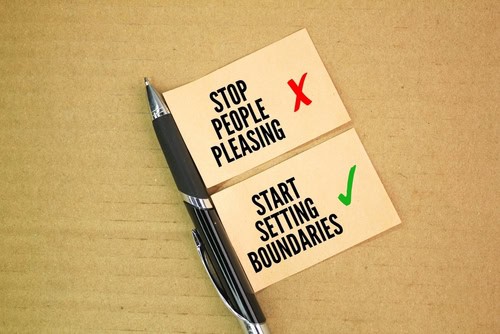
Consistency matters once you’ve communicated a limit. Repeatedly changing it can confuse others and leave you feeling resentful. You can still show warmth while saying no: acknowledge the request, give a brief answer and offer an alternative only when one genuinely works. Long explanations may invite negotiation, so keep your response polite and firm.
Daily Communication Habits
Small habits make clear communication feel natural. Pause before replying when you’re upset, ask one clarifying question when instructions are vague and keep serious discussions away from busy group chats. If written messages could sound abrupt, read them once before sending and add the missing context.

Regular check-ins can prevent minor concerns from building. Housemates might spend ten minutes each Sunday discussing bills and chores, while partners could compare plans for the week over breakfast. When a conversation goes badly, return to it after everyone has settled and explain what you meant without trying to win the exchange.
The next time something feels unclear, name the exact detail you need. One calm question can replace hours of worry with an answer everyone can act on.
Explore travel, food and wellness features at Ravish Magazine, your go-to UK lifestyle magazine.