 Skip to content

The Surprising Health Benefits of Walking Outdoors in the Rain
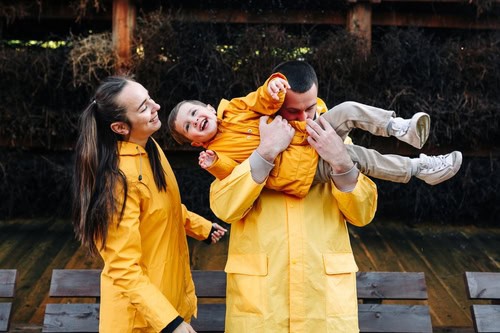
Britain’s unpredictable weather has long had a habit of ruining outdoor plans, but according to psychologists and sleep experts, embracing rainy walks and outdoor adventures could actually offer powerful benefits for both physical and mental wellbeing.
Interest in the outdoors appears to be booming across the UK. Google searches for “hikes” are up 51% year-on-year, while searches for “walking routes” have increased by 19%. Meanwhile, “national parks” has attracted more than 86,000 searches in the last month alone, suggesting more people are actively seeking ways to reconnect with nature.
Yet despite growing interest in outdoor escapes, many Brits still view rain as a reason to stay inside. A recent survey of 1,000 adults commissioned by Parkdean Resorts found that 41% of people would be more likely to holiday in the UK if sunshine was guaranteed.
Experts, however, believe rainy weather may actually enhance many of nature’s wellbeing benefits rather than diminish them.
Why Rainy Walks Feel Surprisingly Calming
Practitioner psychologist Dr Ravi Gill explains that rainy conditions can create a quieter, more grounding outdoor experience.
“Rain often reduces crowds and noise, creating calmer environments,” he says. “The smell of petrichor — the earthy scent after rainfall — combined with cooler temperatures and tactile sensations can heighten present-moment awareness.”
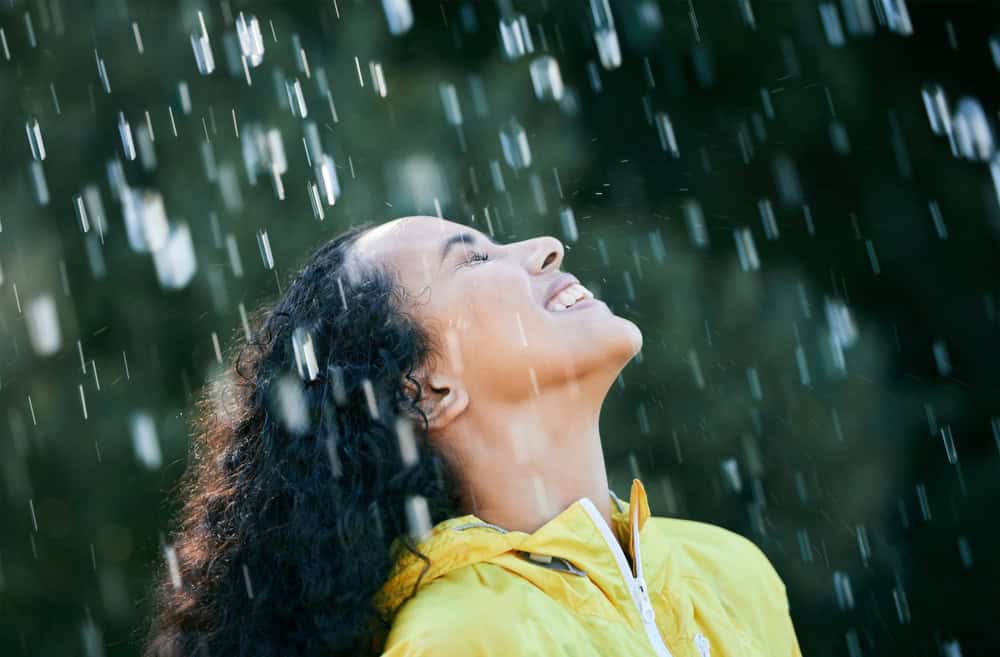
That grounding effect can help reduce overstimulation and encourage mindfulness naturally, without needing formal meditation or wellness routines.
For children, rainy outdoor play may offer additional developmental benefits too. Splashing through puddles, navigating muddy paths, and exploring changing environments can encourage creativity, resilience, and sensory development.
“It gently challenges the nervous system to tolerate mild discomfort,” Dr Gill explains. “That can build confidence and emotional flexibility over time.”
The Mental Health Benefits of Spending Time Outdoors
The positive effects of nature on mental wellbeing are increasingly supported by research.
According to Dr Gill, spending time in green spaces can help:
- lower cortisol levels
- reduce heart rate
- improve emotional regulation
- support mental clarity
- reduce stress and rumination
Natural environments also give the brain a chance to recover from constant directed attention — something many people struggle with after long days spent staring at screens.
Even short walks outdoors can provide a noticeable emotional reset.
Nature Could Also Improve Your Sleep
Beyond mental wellbeing, experts say outdoor exposure plays an important role in regulating sleep quality.
Sleep expert Dave Gibson explains that natural daylight helps strengthen the body’s circadian rhythm — the internal body clock that controls sleep timing and melatonin production.
“It’s recommended that we get at least 30 minutes of natural light exposure every day,” he says. “Even on dull UK days, outdoor light levels are far stronger than typical indoor lighting.”

While indoor environments often remain below 500 lux, outdoor daylight typically ranges between 1,000 and 5,000 lux, even in cloudy weather. That difference helps anchor the body clock and encourages healthier sleep patterns later in the evening.
This may explain why so many people report sleeping better after days spent outdoors. In Parkdean’s survey, 93% of respondents said they noticed improved sleep after spending time outside during the day.
Why the Sound of Rain Helps People Drift Off
Rain itself may also contribute to better sleep.
According to Gibson, the rhythmic sound of rainfall creates what he describes as a “sound cocoon” — a calming, consistent layer of background noise similar to pink noise.
“The steady drumming of rain can help the nervous system enter the ‘rest and digest’ state,” he explains. “It also masks sudden environmental noises that might otherwise disturb lighter stages of sleep.”
For many people, rain sounds also trigger nostalgic feelings associated with relaxation, holidays, or childhood comfort, which may further reinforce feelings of calm.
The Rise of Outdoor Wellness Holidays
As wellness increasingly shapes travel choices, more people are looking for breaks that prioritise nature, movement, and slower lifestyles rather than constant activity.
Outdoor-focused UK holidays have become particularly appealing because they combine fresh air, exercise, and relaxation without requiring long-haul travel.
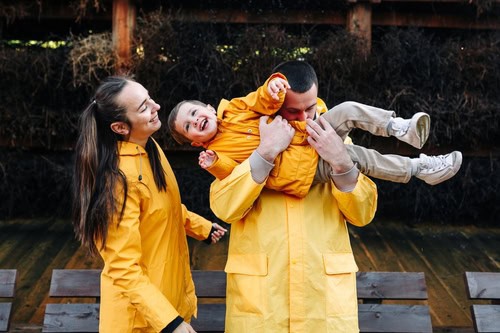
Parkdean Resorts says interest in UK breaks built around beaches, walking trails, and outdoor exploration continues growing, regardless of weather conditions.
Anthony Reilly, Marketing Director at Parkdean Resorts, says many travellers are now actively seeking healthier and more restorative experiences.
“Building a holiday around getting outdoors, exploring local walks, and then returning to relax in a holiday lodge offers the perfect balance of activity and downtime,” he says.
Perhaps Britain’s famously rainy weather deserves less criticism after all. For many people, pulling on a waterproof coat and embracing the drizzle could offer far more than fresh air alone — from improved mood and deeper sleep to greater resilience and emotional calm.
Original research and expert commentary provided by Parkdean Resorts.
Explore travel, food and wellness features at Ravish Magazine, your go-to UK lifestyle magazine.