 Skip to content

Why a Healthy Smile Should Be Part of Your Everyday Wellness Routine
Your smile connects everyday self-care with comfort, confidence and long-term health. That makes oral wellbeing a natural part of a modern wellness routine, alongside sleep, movement, skincare and balanced meals. The benefits are practical too. A comfortable mouth makes it easier to eat varied foods, speak clearly and enjoy social occasions without distraction.
Giving your smile regular attention can also reveal small concerns before they become disruptive. A little sensitivity, occasional bleeding or a change in how your teeth meet may seem minor, yet each can be a useful signal. Modern wellness works best when it includes these details instead of waiting for discomfort to demand attention.
Wellness Beyond the Traditional Routine
Wellness habits often focus on what happens at the gym, in the kitchen or before bed. Oral care deserves the same consistency because your mouth is closely connected to daily comfort and wider health. The World Health Organization’s overview of oral health from CDC.org highlights how common oral diseases are and notes that many can be prevented or treated at an early stage.
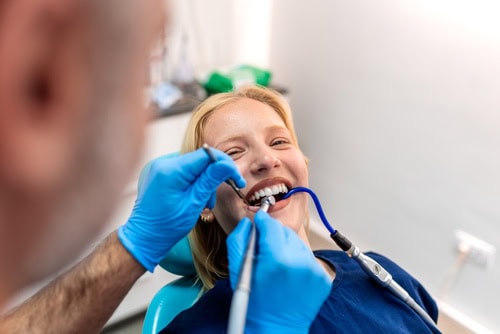
Start by treating dental appointments as routine maintenance. Regular examinations allow a dental professional to check your teeth, gums, bite and soft tissues, ensuring you receive exceptional dental care. The appropriate interval varies between people, so someone with stable oral health may follow a different schedule from a person managing gum problems, frequent decay or ongoing treatment.
Appointments also create space to discuss changes that aren’t painful. Perhaps cold drinks have started causing a brief twinge, your gums bleed during brushing, or an old filling feels rough. Mentioning these details can help your dental team investigate them while the issue is still manageable.
If you’re considering an examination, cosmetic treatment or help with an urgent concern, dental-perfectionuk.co.uk provides information about general, cosmetic and emergency dental services. Use an initial consultation to explain what bothers you, ask what options are suitable and request a clear outline of expected appointments, aftercare and costs.
The Psychology of Smiling Freely
A smile is part of how people greet one another, soften conversations and show warmth without speaking. Feeling able to smile freely can make social situations feel more comfortable, from meeting a new colleague to appearing in family photographs. There are also interesting discussions around the brain’s response to smiling, including the relationship between facial expression, mood and social connection.
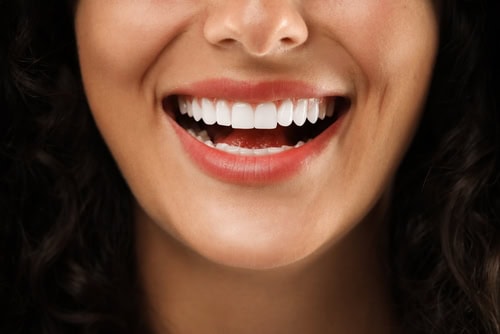
Confidence, however, is personal. One person may love the small gap between their front teeth while another may feel distracted by staining or a chipped edge. There is no single template for an attractive smile, and wellness shouldn’t turn normal variation into a list of faults.
If a dental concern affects how you act, describe its real impact during an appointment. You might avoid laughing in photographs, cover your mouth when speaking or feel tense before presentations. Those examples give a practitioner more useful information than simply saying you dislike your teeth.
It also helps to set realistic goals. Ask to see what a proposed treatment can and cannot change, how long results may last and what maintenance it requires. Any decision should leave room for your natural features and daily life. If worry about your appearance is persistent or extends well beyond your teeth, speaking with a GP or qualified mental health professional may be more helpful than pursuing repeated cosmetic changes.
When Aesthetics Meet Preventive Care
Cosmetic goals and preventive care often overlap. Professional cleaning may remove some surface staining while supporting gum health. Repairing a chipped tooth can restore its appearance and protect a vulnerable edge. Straightening treatment may make certain areas easier to clean, although it still requires careful brushing, suitable interdental cleaning and professional monitoring.

The order of treatment matters. Active decay or gum inflammation usually needs attention before optional aesthetic work begins. According to NHS guidance on teeth and gum care, brushing twice daily with fluoride toothpaste and cleaning between the teeth form the foundation of oral hygiene. Cosmetic treatment can’t replace those habits.
Before agreeing to a procedure, ask several specific questions. What result is realistic for your starting point? Will healthy tooth tissue need to be removed? How often might the treatment need maintenance or replacement? Could sensitivity occur, and what aftercare will be required? Photographs and scans may help explain the plan, but they should support a proper clinical assessment.
Be cautious with dramatic online transformations. Lighting, filters and image editing can alter tooth colour, proportions and skin tone. Results also depend on gum health, enamel condition, bite and existing restorations, so another person’s outcome may not be possible or appropriate for you.
A good treatment plan should balance appearance with function. Comfortable chewing, healthy gums and stable teeth remain valuable long after a photograph has been posted.
Simple Steps to Elevate Daily Habits
A stronger oral care routine rarely requires a crowded bathroom shelf. Technique and consistency make the biggest difference. Brush twice a day for around two minutes with fluoride toothpaste, using gentle movements along the gumline and across every surface. After brushing, spit out the excess and avoid rinsing immediately, as this allows fluoride to remain on the teeth for longer.
Clean between your teeth once a day using floss or interdental brushes suited to the size of the gaps. Your dental team can demonstrate the correct method if the brushes bend, catch or cause repeated bleeding. The Oral Health Foundation’s brushing advice also covers practical points such as brush choice and daily technique.

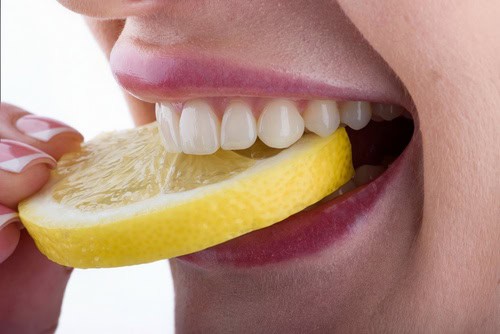
Timing matters in a few common situations. Wait before brushing after acidic foods or drinks because the enamel surface may be temporarily softened. Keep sugary snacks and drinks to mealtimes where possible, since frequent exposure gives mouth bacteria more opportunities to produce acids. Water is a simple everyday choice between meals.
Check your mouth in good light once a month. Look for persistent ulcers, unusual patches, swelling or changes that haven’t settled. Seek professional advice promptly if a change lasts for several weeks, pain interrupts sleep, swelling develops or a tooth becomes loose. Facial swelling that affects breathing or swallowing needs urgent medical attention.
Finally, replace a worn toothbrush or electric brush head when its bristles begin to splay, commonly around every three months. Pair the change with another recurring task, such as the start of a new season, so it doesn’t slip your mind. A clean brush, two focused minutes and regular interdental care provide a simple routine your smile can rely on every day.
Ravish Magazine – discover more stories, insights and ideas from your UK lifestyle magazine.