 Skip to content


Winter Periods Hit Different: 7 Reasons Your Cycle Feels Worse When It’s Cold
Winter has many ways of stripping things back. Social calendars shrink, routines get slower, and there’s more time spent at home with your own thoughts and your own body. For many women, this is when periods can feel suddenly heavier, more tiring and harder to manage than they did just a few months ago.
It’s easy to think something is ‘wrong’ with your cycle when this happens. However, usually it’s not your period that changes; it’s the environment around it. Winter silently changes how we move, eat, sleep and deal with stress, all of which influence how menstrual symptoms show up.

Here, the expert team at Evana Periods share why periods often hit differently in winter, and why so many women feel the impact when it’s cold.
Less Movement Means Slower Circulation
In the warmer months, movement happens naturally. Walking more, stretching, and even just being out of the house help regulate circulation. Winter stops these habits. We sit for longer, are less active and stay tucked up indoors.
Lowered circulation can make cramps feel more extreme and cause that heavy, sluggish feeling many women describe during their period. Movement improves the body’s release of tension and helps manage discomfort; when that vanishes, symptoms can become intense.
Seasonal Fatigue Lowers Your Resilience

Periods cause extra strain on the body. They need energy for blood loss, hormonal changes and recovery. In winter, energy levels are already reduced thanks to darker mornings, shorter days and messy circadian rhythms. When your primary energy source is low, you just have less capacity to cope. Soreness, brain fog and irritability spikes. Tasks that would usually feel manageable quickly feel overstimulating.
Stress Builds in Quieter Ways
Winter stress doesn’t always look dramatic. It can be subtle and accumulating, from financial pressures to post-Christmas work deadlines before year-end, to social fatigue and emotional heaviness. Even when life seems calmer, the body may still be under stress.
Stress hormones like cortisol can throw off the body’s natural balance, making periods feel heavier, emotionally more intense and unpredictable. When stress lingers in the background noise, its impact on the menstrual cycle can be easily missed.
Heavy Bleeding Becomes Harder to Manage Day to Day
In winter, long commutes, bulkier clothing and fewer opportunities to change or rest can make heavy bleeding more stressful to deal with discreetly. What may feel inconvenient in the summer can feel overwhelming in winter. Avoiding long days out, planning outfits and getting anxious about leaks push your mental load to breaking point, making periods feel invasive rather than routine.
Poor Sleep Intensifies Everything
Sleep is extremely important for pain tolerance, physical recovery and emotional control. Winter usually brings disrupted sleep patterns, from darker days, different routines, and restless nights.
When sleep quality declines, emotions feel harder to manage, cramps feel sharper, and fatigue becomes difficult to shake off. Period symptoms don’t always worsen, but your ability to recover from them does.
Cold Weather Can Increase Muscle Tension and Sensitivity

Muscles tighten and contract naturally in cold temperatures. During your period, when the body is already more sensitive to discomfort and pain, this growing tension can make cramps feel more painful and persistent. Many women report feeling abdominal tightness, pelvic soreness and lower back pain more in the winter. This is due to the body holding tension to stay warm. Without regular relaxation and warmth, period pain can be harder to ease, even if your cycle hasn’t changed.
How to Support Your Period Through the Winter Months
If winter makes your cycle feel harder to live with, support doesn’t have to be extreme. Realistic, thoughtful changes can help with the pain.
Prioritise Gentle Movement – Light stretching and short walks can help circulation and lower tension during your period.
Protect Your Energy – Rest needs to become your priority during your menstruation. Early nights and fewer demands on your heaviest day help stop burnout.
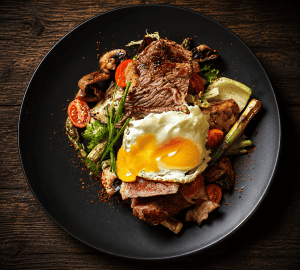
Nourish Consistently – Regular meals with proteins, iron-rich foods and healthy fats replenish what your body loses during menstruation and aid recovery. Try incorporating foods like eggs, Greek yoghurt, salmon, chicken, spinach, quinoa, avocado and nuts like almonds or walnuts.
Plan with Your Cycle – Winter routines are more structured, use that to your advantage by planning demanding tasks away from your heaviest days where possible.
Consider Targeted Period Support – For women who may suffer from heavy bleeding, medical options do exist. Tranexamic acid for periods is a non-hormonal treatment taken during menstruation that reduces blood loss, making periods more manageable without interfering with your natural cycle.
Stop Normalising Struggle – Exhaustion, anxiety, or irritability that doesn’t seem to go away on your period isn’t something that should be ignore, particularly when winter intensifies everything.
Explore travel, food and wellness features at Ravish Magazine, your go-to UK lifestyle magazine.