 Skip to content

How to Keep Guest Accommodation Safe, Comfortable and Well Maintained
A well-run guest property should feel welcoming from the moment someone arrives and remain safe throughout their stay. Clean rooms and thoughtful decor matter, but so do working appliances, clear instructions and regular safety checks. These practical details protect visitors, reduce avoidable call-outs and help accommodation owners maintain consistently good standards.
First Impressions Count
Guests begin forming an opinion before they enter the accommodation. The condition of the entrance, outdoor lighting, signage and key collection process all influence how organised and trustworthy the property feels. Guidance on improving guest satisfaction highlights the value of a warm welcome and an efficient arrival.
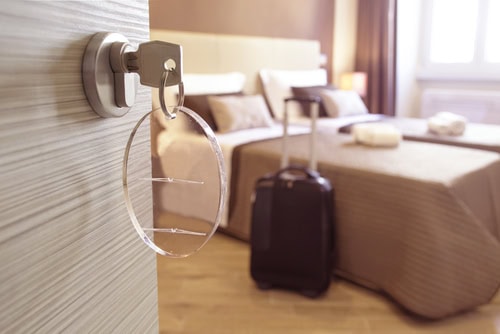
Check the approach to the property in daylight and after dark. Replace failed bulbs, remove trip hazards and make the address easy to identify. Inside, provide uncluttered surfaces, fresh-smelling rooms and clear directions for heating, Wi-Fi and check-out. A brief welcome message can also explain who guests should contact if they need help.
Essential Amenities for Comfort
Comfort depends on reliable basics. Guests expect clean bedding, sufficient towels, effective heating, hot water and somewhere secure to store their belongings. The bathroom should have good ventilation and enough toilet roll for the booked stay, while the kitchen needs suitable crockery, utensils and cleaning supplies.
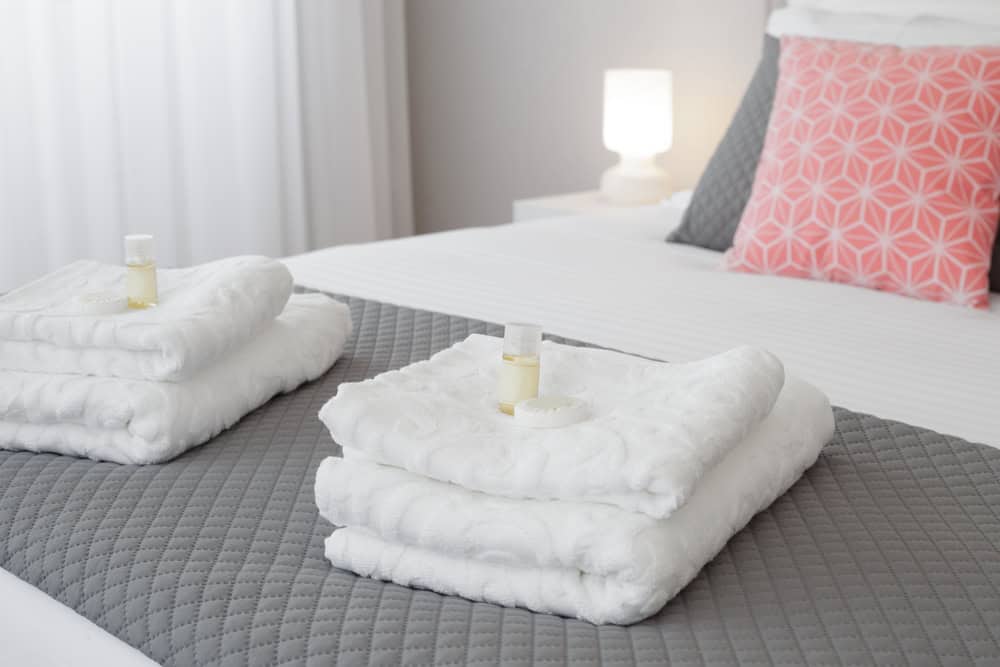
Thoughtful details can improve the overall guest experience without much extra work. A well-designed hotel stay can also combine practical amenities, comfortable rooms and attentive service to create a more enjoyable experience for guests. The Resident Hotel: A Liverpool Weekender offers an example of how accommodation can balance comfort, convenience and service. Bedside sockets, reading lamps, coat hooks and a full-length mirror all solve common practical needs.
Electrical Safety for Guest Well-being
Create a routine for checking every electrical item guests may use, from kettles and hairdryers to bedside lamps. Look for cracked casings, scorch marks, loose plugs and damaged cables during changeovers. Remove suspect equipment immediately and record what was found.

Businesses and employers responsible for electrical equipment can arrange commercial PAT testing to assess portable appliances as part of a structured electrical safety programme. Formal testing can support an organised maintenance programme, though it should sit alongside regular visual checks. Keep sockets accessible, avoid overloading extension leads and place appliances where cables won’t cross walking routes.
Keeping Appliances in Top Condition
Preventive maintenance helps appliances last longer and reduces disruption during a booking. Follow each manufacturer’s cleaning and servicing instructions, paying close attention to filters, vents and seals. A blocked tumble dryer filter, for example, can affect performance, while a damaged fridge seal may stop food staying at a safe temperature.
Keep a simple register showing the appliance, purchase date, model number and latest inspection or repair. During each turnaround, run a short functional check on high-use items such as the kettle, toaster, microwave and television. Don’t leave guests to discover a fault after arrival. If an appliance repeatedly fails or shows visible damage, replace it instead of relying on temporary fixes.
Compliance and Peace of Mind
Accommodation operators need records that show safety tasks are being completed consistently. The exact duties depend on the property, its location and how it is operated, so check the rules that apply to your business. Useful records may include electrical inspections, fire safety checks, maintenance reports and evidence that reported faults were resolved.

Assign responsibility for each check and set realistic review dates. Contractors should be competent for the work they perform, and certificates need to be stored where they can be found quickly. Give guests concise emergency information too, including exit routes, the property address and a reliable contact number.
A final walk-through shortly before check-in remains one of the best safeguards. Switch on the lamps, run the taps and view the room from a guest’s position. That ten-minute check can catch the loose plug, missing towel or failed bulb that would otherwise shape the entire stay.