 Skip to content


How to Sleep With an Ear Piercing Without Irritation or Discomfort
A comfortable night’s sleep can feel surprisingly difficult when an ear piercing becomes tender against the pillow. Pressure, snagging and poorly fitted jewellery may all cause irritation, especially while a piercing is healing. A few practical changes to your jewellery, bedding and bedtime habits can protect sensitive areas and help you settle down without repeatedly adjusting your sleeping position.
Cartilage Sensitivity During Rest
Cartilage has less blood flow than the soft tissue of the earlobe, so piercings in areas such as the tragus and helix often need more time to heal. Direct pressure may leave the ear feeling warm, swollen or sore the next morning.
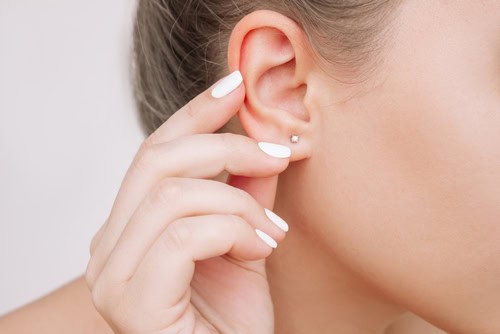
Try sleeping on your back or the opposite side. If you turn during the night, place a pillow behind your back to limit rolling. Persistent pain, spreading redness or unusual discharge deserves professional attention, so contact an experienced piercer or healthcare professional instead of removing the jewellery yourself.
Select Flat Backs and Labrets
Check the shape and fit of your jewellery if the backing presses into the skin. Flat-back labrets sit close to the ear and tend to catch less easily on hair, pillowcases and clothing than long posts or large decorative pieces. They can be particularly useful for tragus and cartilage placements once your piercer confirms that changing jewellery is safe.
When comparing styles, you’ll find tragus earrings available here in different materials, sizes and designs. Ask a professional piercer to confirm the correct gauge and post length before ordering. Jewellery that’s too short can pinch swollen tissue, while an overly long post may shift, snag or press at an awkward angle as you sleep.
Ditch Bulky Sleep Accessories
Large headphones, tight sleep masks and thick fabric headbands can place extra pressure around the ear. Remove them before bed while the piercing is sensitive, and keep hair secured loosely so it doesn’t wind around the jewellery. A soft scrunchie or loose plait usually works better than clips positioned near the ear.

Your pillow also matters. A travel pillow with a central opening lets you rest your head while keeping the ear suspended in the gap. Specialist piercing pillows offer a similar design. Cover either option with a clean, breathable case and change it regularly. Reducing friction and pressure while a piercing heals can help prevent unnecessary tenderness and irritation overnight.
Establish a Soothing Night Routine
Give your ear a quick visual check before getting into bed. Clean it only as directed by your piercer, usually with sterile saline, then allow the area to dry. Avoid twisting the jewellery or picking away dried material, since both actions can disturb healing tissue. Wash your hands before touching anywhere near the piercing.
Fresh pillowcases help reduce contact with skincare residue, hair products and everyday grime. Changing the case every few nights is a sensible habit during early healing, especially if you use leave-in conditioner or facial oils. Keep your phone screen clean too, as it may touch the side of your face during calls.
A consistent sleep routine can also make bedtime easier while you adjust to protecting a sensitive piercing. Keeping the bedroom comfortable, winding down at a similar time each evening and arranging your pillows before you feel sleepy can make it easier to settle without repeatedly shifting onto the affected ear.

Finish your routine by arranging your pillows before you feel sleepy. A supportive back-sleeping position or a travel pillow placed correctly from the start makes it easier to leave the ear alone overnight. If discomfort keeps waking you despite these adjustments, ask your piercer to inspect the jewellery’s fit.
A well-positioned pillow and correctly sized flat back can remove much of the nightly pressure. Give the ear space, keep anything touching it clean and let healing happen without constant interference.