 Skip to content


As cooler temperatures and darker evenings have us spending more time indoors towards the end of the year, restorative living is set to be one of autumn’s biggest trends, with homeowners turning their rooms into spaces made for rest, boosting their mood and mental wellbeing.
“Creating a restorative living space involves combining aspects such as colour, lighting, and positioning in a way that has you feeling at peace. It’s all about achieving a sense of serenity in your home to help you reconnect with yourself and forget the stresses of everyday life,” explains Magdalena Gierasinska, Head of Product and Displays at Barker and Stonehouse.
This trend comes as new research from the British furniture brand, Barker and Stonehouse, shows just how much our homes impact our mental wellbeing.
According to their recent survey, almost four in five (77%) say their home influences their mood, and for a third of us, the effect is significant. Clutter, poor lighting, and noise top the list of mood disruptors, with everything from room temperature to furniture layout and colour schemes also playing a role.
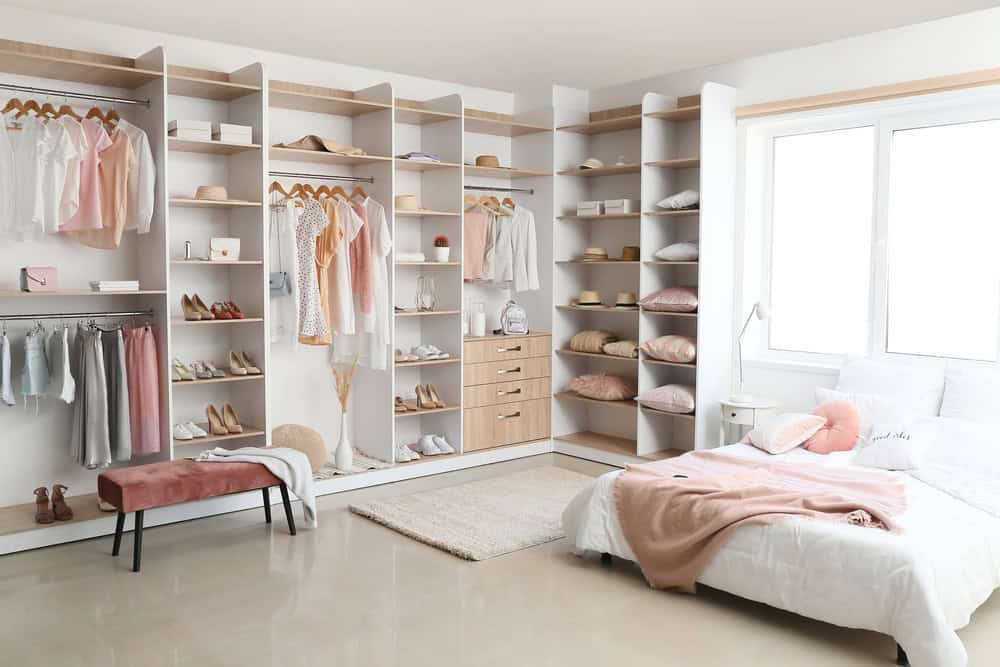
Being the first thing we see when we wake up, our bedrooms may affect our mood the most, setting the tone for how we feel in the day ahead. With this in mind, Magdalena has shared her expertise on how you can turn your bedroom into a wellbeing paradise this autumn, helping to give you the best start to your day possible.
Practical storage
A messy bedroom is a guaranteed way to have a poor night’s sleep and a bad start to your day, with the clutter preventing us from winding down properly and presenting us with immediate stress when we wake up.
That’s why Magdalena emphasises the importance of having practical storage that fits the theme of your space, saying, “I like to balance elegance with efficiency when it comes to storage. Natural woods, such as oak or mango wood, suit almost any bedroom design.
“However, the positioning of storage is also important,” she continues. “Arrange furniture so the bed is your anchor piece, inviting you to sleep as soon as you step into the room. And leave breathing room around key items, and keep bedside tables within easy reach. Even in smaller rooms, a little flow goes a long way.”
A calming palette
With different colours eliciting different emotions from us, the palette we choose for our bedrooms also has an impact on our ability to relax and destress.
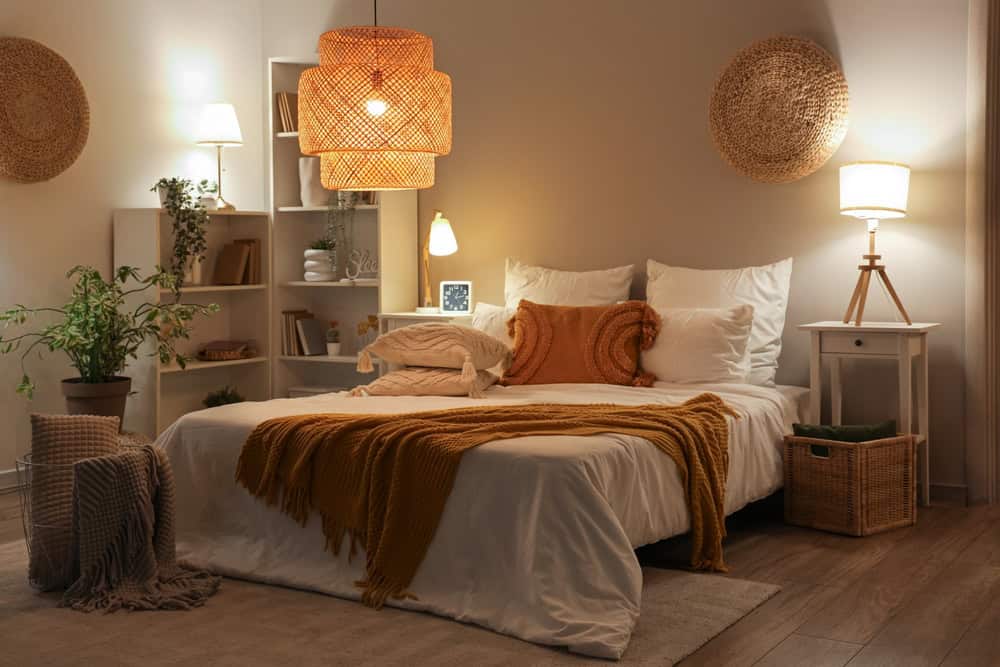
For a truly tranquil space, Magdalena has a few suggestions, saying, “Sage green has been one of the top trending colours in interior design over the last few years, with a versatility that’s difficult to match. Here, its earthy tones lend to a feel that’s both calming and luxurious, without overpowering other aspects of the palette. It blends especially well with neutral tones, with a favourite being off-white to add a touch of warmth and brightening up the space. Navy also works well, not only adding some elegance, but also further accentuating the relaxing feel we’re looking for.
“Taking advantage of soft furnishings is one of the easiest ways to incorporate these colours into your space, with cushions, throws, and pillows adding depth to any room and creating layers of relaxation. If you have space around the borders of your bedroom, using wall décor featuring these colours is a practical yet effective way of both introducing them to the room whilst also making it feel less empty and more cosy.”
Avoid harsh lighting
How your bedroom is lit can dramatically affect your ability to relax, with brighter, harsher lighting encouraging us to stay awake instead of winding down.
This is why Magdalena recommends soft, ambient lighting in your bedroom to foster a peaceful atmosphere, suggesting, “Layer bedside lamps and hanging pendants for a warm, diffused glow. Think of your lighting as part of your wind-down ritual, using it to signal your body that it’s time to relax and invite a restful sleep.
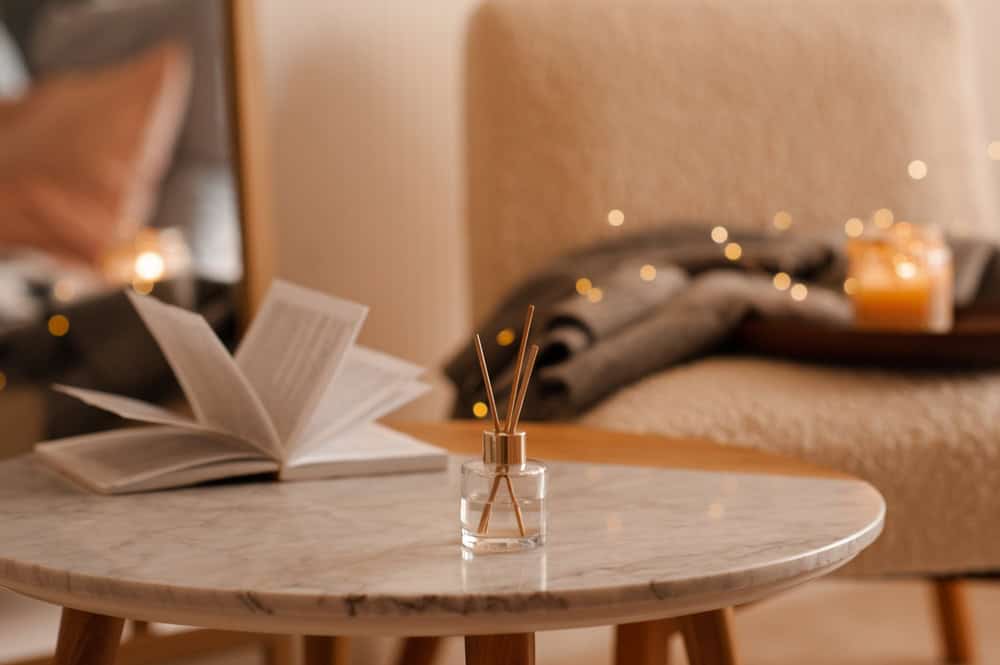
“To really make the most of your lighting, try adding metallic elements to the space to bounce the light into even the darkest corners. Wall mirrors can also help in this regard, spreading light throughout your room whilst also creating the illusion that it’s more spacious than it really is.”
Seating (if space allows)
For those with a larger bedroom, introducing some seating into the space can add a calming yet practical dynamic.
Magdalena explains, “Even in bedrooms, a comfortable armchair or small sofa in a seating area can elevate relaxation. Opt for curved forms and cosy textures to create undeniably inviting spaces, such as a small reading nook to enjoy before bed. Furniture with natural wood accents is ideal, with the warm, neutral hue adding to the calm of the space and blending well with any palette. ”
For more mood-boosting transformation tips as we head into autumn, Magdalena has shared further interior design advice on the Barker and Stonehouse blog.
From Summer to Snug: Expert Deck Styling Tips for Autumn & Winter