 Skip to content


The Top Food & Dining Trends for 2026, According to Chefs
Dining in 2026 is shaping up to be more immersive, more intentional, and more community-led than ever. From the rise of communal tables and late-night dining to the return of French classics, ancient cooking techniques and zero-waste creativity, chefs across the UK are redefining what it means to eat well.
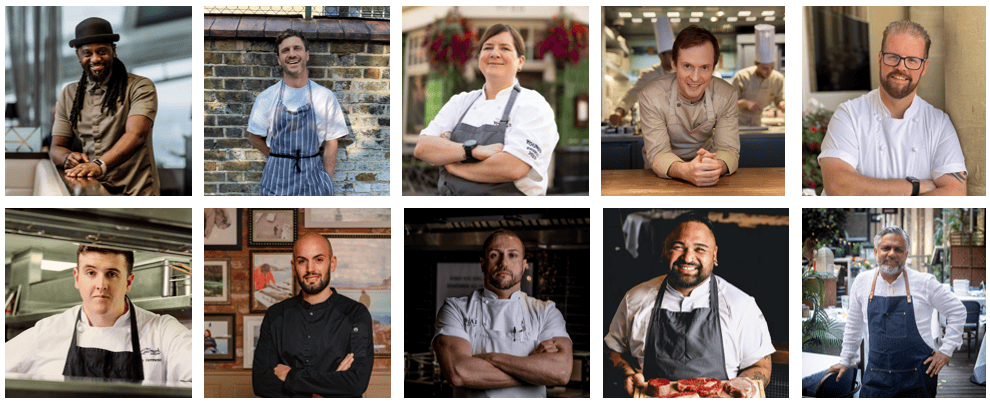
These are the flavours, formats and philosophies that will shape restaurant culture in the year ahead — according to the culinary leaders at the forefront of change.
COMMUNAL & LATE-NIGHT DINING
Carlo Scotto | Chef Patron, BEAR by Carlo Scotto
“In a world of technology, people are seeking meaningful connection, so communal dining is quietly finding its way back into restaurants. Strangers sharing the same table and experiencing the same dish together breaks down walls: what better way to bond than over food?”
Benjamin Ferra Y Castell | Executive Chef, Michelin-starred Pavyllon London
“In 2026, people are seeking flexibility and connection, with dining experiences that bring them together. Late-night dining is making a comeback, opening up the city’s after-dark scene, with some incredible offerings and special menus post 9pm.”
POPULAR CUISINES & FLAVOURS
Brian Hennessy | Head Chef, Winter Garden Restaurant at The Landmark London
“French-inspired dishes and ingredients are firmly on the menu. Pâté en croûte is seeing a revival, while classic offal dishes like pig’s trotter, calves’ liver and tripe are being reimagined with finesse.”
Tim Dela Cruz | Head Chef, Smiths of Smithfield
“Southeast Asian and Middle Eastern cuisines will continue to increase in popularity, with ingredients like ube, pandan and tamarind showing up on menus. The nostalgia trend will see forgotten flavours and dishes, such as suet pies and school cakes with custard, returning to menus with a more elevated approach.”
TRADITIONAL COOKING & FARMING
Luca Mastrantoni | Head Chef, Ekstedt at the Yard
“We’ll continue to see a focus on slow, hands-on cooking methods, especially those using open flames and ancient techniques that involve curing and preserving. There’s a growing appreciation for time, care and craftsmanship in the kitchen.”
Elliot Day | Co-Founder of FieldGoods
“I think regenerative agriculture will be a focus, looking at how we cultivated land centuries ago and utilising those methods in farming practices today. It’s always been essential to farm in a way that works in harmony with nature, and it’s something consumers are beginning to prioritise.”
STREET FOOD STEPS UP
Kerth Gumbs | Chef De Cuisine, Fenchurch
“I think street food will step up as diners increasingly crave theatre and craft from their casual dining. I expect we’ll see chefs pairing accessible, affordable ingredients with playful presentation and layered flavours, letting each dish tell its own story.”
PROTEIN-RICH PLATES
Robert Pearce | Executive Head Chef of Down Hall Hotel, Spa & Estate
“Next year people will focus on eating with intention, with a big focus on protein-rich plates that fuel the body. With more than half of the UK looking more at their protein intake, every element should earn its place feeding the gut, strengthening the body and connecting diners to how their food is grown.”
ELIMINATING WASTE
Vivek Singh | Founder & Executive Chef of The Cinnamon Collection
“We will see more examples of dishes using every part of an ingredient and reducing waste. For example, I think we will see more chefs using offcuts to make preserves, pickles and ferments to complement their dishes and eliminate waste.”
Natalie Coleman | Head Chef, The Garrison
“Zero-waste cooking is growing in UK restaurants, with chefs like Adam Handling creating world-class dishes from ingredients that would normally be discarded. From a cost-of-living perspective, it’s a smart move too, as using every part of an ingredient helps boost margins while supporting sustainability.”
Looking for curated ideas and inspiration? Discover more at Ravish Magazine, your UK lifestyle magazine.