 Skip to content


Why Eating Seasonal Produce Is Better for Your Wallet, Your Plate and the Planet
Supermarkets have made us accustomed to seeing strawberries in December, asparagus in January and tomatoes available every day of the year. While that convenience is hard to argue with, there’s a growing case for going back to basics and eating with the seasons.
Not only can seasonal food taste noticeably better, but it can also be kinder to your wallet, better for the environment and encourage a more varied, exciting way of cooking at home.
If you’re looking for one simple change that benefits both your budget and your dinner plate, shopping seasonally could be it.
Why Seasonal Produce Often Costs Less
Fruit and vegetables naturally become more affordable when they’re harvested in abundance.
Out-of-season produce often requires heated greenhouses, long-distance transportation or special storage conditions before it reaches supermarket shelves. All of that adds extra costs long before it lands in your shopping basket.

When crops are grown naturally at the time they’re meant to flourish, production becomes far more efficient, helping to keep prices lower for consumers while reducing the energy required to produce them.
It’s one of the rare occasions where making the more sustainable choice can also save you money.
Fresh Really Does Taste Better
There’s a reason British strawberries are something people genuinely look forward to each summer.
Produce that’s allowed to ripen naturally before being picked develops more flavour, sweetness and aroma than fruit harvested early to survive lengthy transport.

The same applies to peas, tomatoes, courgettes, raspberries and countless other seasonal favourites.
Buying locally grown produce when it’s naturally in season often means it reaches your plate sooner, retaining both flavour and texture that imported alternatives can struggle to match.
Let Nature Choose Your Weekly Menu
Rather than deciding what you fancy before shopping, many chefs recommend reversing the process.
Visit your local greengrocer or farmers’ market, see what’s currently at its peak and build meals around those ingredients.


Summer is the perfect time to enjoy:
- Sweet British strawberries
- Garden peas
- Courgettes
- Tomatoes
- Fresh herbs
- Lettuce and leafy salads
- Raspberries
- Broad beans
As autumn approaches, root vegetables, squash, kale and hearty greens naturally take centre stage.
Cooking this way keeps meals feeling fresh throughout the year while introducing more variety into your diet.
Waste Less By Buying Smarter
One of the easiest ways to reduce food waste is to buy fruit and vegetables based on when you actually plan to eat them.
Bright, deeply coloured strawberries may look irresistible, but they’re often fully ripe and best enjoyed within a day. If you’re shopping ahead, choosing slightly firmer fruit can help it last longer.
It’s also worth checking underneath punnets for bruising or crushed fruit before buying, particularly during the warmer months.
A few extra seconds in the supermarket can prevent perfectly good produce ending up in the bin.
Make The Most Of Every Ingredient
Some of the most overlooked parts of vegetables can still be incredibly useful in the kitchen.

Fresh peas are a perfect example. While the sweet peas themselves are delicious, the pods can be used to make stocks or soups, while pea shoots add freshness to salads, sandwiches and pasta dishes.
Using more of each ingredient stretches your food budget further while reducing unnecessary waste.
Preserve Summer’s Best Flavours
One of the oldest kitchen tricks is also one of the smartest.
If you’ve bought more fruit and vegetables than you can eat, consider freezing, pickling or preserving them.
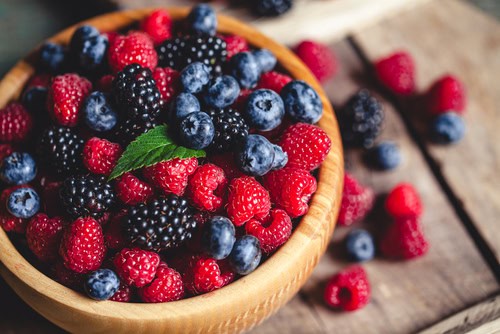
Summer berries freeze beautifully for smoothies and desserts, while tomatoes can be roasted and frozen for pasta sauces later in the year. Herbs can be chopped and frozen in olive oil, and surplus vegetables can often be turned into chutneys or pickles.
You’ll not only waste less food, but you’ll also enjoy a taste of summer long after the seasons have changed.
Seasonal Eating Doesn’t Have To Be Complicated
You don’t need to completely overhaul your shopping habits overnight.
Simply swapping a few out-of-season ingredients for what’s naturally available each month can make meals taste fresher, reduce your grocery bill and support local growers at the same time.
It’s a simple reminder that sometimes the best ingredients are the ones nature intended us to enjoy right now.
Source: This article was inspired by expert insights from Kevin Bonello, Ahmed Abdalla and Devin Jones at The Grand, York, and has been independently rewritten and edited by Crave Magazine into an original editorial feature.
Explore travel, food and wellness features at Ravish Magazine, your go-to UK lifestyle magazine.