 Skip to content


The Silent Anxiety Women Are Living With – And Why It Shouldn’t Be Ignored
It doesn’t always look like anxiety.
There are no dramatic breakdowns, no obvious warning signs. Instead, it shows up in quieter, more familiar ways: lying awake replaying conversations, snapping after a poor night’s sleep, struggling to focus at work, or feeling constantly “on edge” without knowing why.
For many women, this has become part of everyday life—and increasingly, something they simply push through.
But new research suggests that approach could be doing more harm than good.
The Anxiety So Many Women Don’t Talk About
A recent UK survey has revealed that anxiety is far more common—and more normalised—than many people realise. Over half of women experience mild anxiety at least once a week, while a notable proportion deal with it daily.
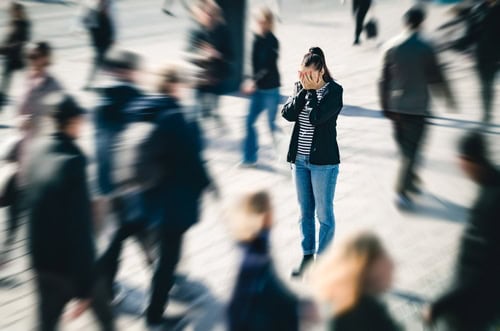
What’s more striking, however, is how many choose to ignore it. Nearly half admit they push through anxious feelings rather than addressing them, often dismissing symptoms as part of a busy lifestyle.
The problem is that this “just get on with it” mindset can quietly build into something much more disruptive.
When “Mild” Anxiety Starts Affecting Daily Life
What many describe as low-level anxiety is already having a noticeable impact on everyday wellbeing.
Sleep is often the first casualty. A significant number of women report lying awake at night, unable to switch off. And poor sleep doesn’t stay confined to bedtime—it spills into the next day, affecting mood, patience, and energy levels.
From there, the effects ripple outward.
Focus begins to slip, making even routine tasks feel harder to manage. Confidence can take a hit, both professionally and socially. For some, it even starts to affect career progression, with anxiety influencing decision-making, communication, and self-belief.
At home, the strain can be just as real. Anxiety can make it harder to be present, to enjoy time with loved ones, or to maintain relationships without tension creeping in.
It may be labelled as “mild,” but its impact is anything but.
Why Women Are Feeling It More
Unlike anxiety triggered by a single event, this type of stress tends to build gradually.
For many women, it’s the accumulation of responsibilities—work pressures, home life, finances, and the mental load of managing everything in between. Overthinking plays a major role too, with worries often lingering long after the day ends.
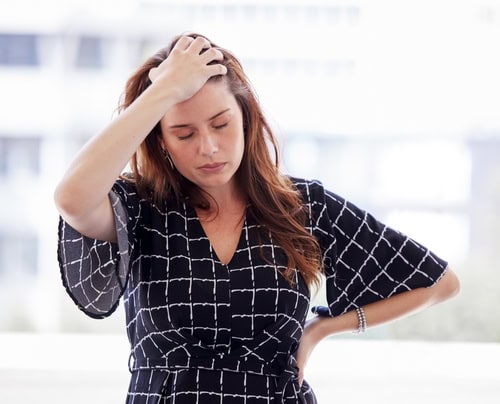
There’s also a deeper layer of emotional labour. Many women report feeling responsible not just for their own lives, but for supporting others—managing expectations, maintaining relationships, and carrying the emotional weight of those around them.
Life stages add another dimension. Parenting, hormonal changes, and the pressures that come with ageing can all contribute, creating a perfect storm of low-level but persistent anxiety.
The Hidden Ways Women Are Coping
While many women believe they’re managing their anxiety, the reality suggests otherwise.
Some coping mechanisms—like withdrawing from situations or increasing alcohol intake—may provide short-term relief but can ultimately make symptoms worse. Others simply carry on, hoping the feeling will pass.
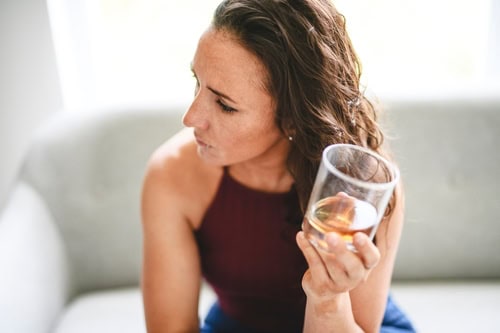
The issue is that ignoring anxiety doesn’t resolve it. It often allows patterns to become more ingrained, making it harder to break the cycle over time.
What Actually Helps
The good news is that managing day-to-day anxiety doesn’t always require drastic change—but it does require awareness.
Often, it starts with small, practical shifts.
Improving sleep habits is one of the most effective first steps. Creating a proper wind-down routine, reducing screen time before bed, and limiting caffeine later in the day can all help signal to the body that it’s time to rest.
Movement also plays a powerful role. It doesn’t have to mean intense workouts—even gentle activities like walking, stretching, or yoga can help release built-up tension.
Perhaps most importantly, talking about anxiety can make a significant difference. Sharing how you feel—whether with a friend, partner, or professional—can reduce the sense of isolation that often comes with it.
And when it comes to coping habits, small changes matter. Replacing short-term fixes with more supportive rituals—like journalling, mindfulness, or simply taking time to pause—can have a lasting impact.
Knowing When to Seek Support
There’s a growing amount of advice, products, and “quick fixes” available, which can make it difficult to know what’s genuinely helpful.
For those considering additional support, pharmacists and healthcare professionals can offer guidance, particularly when symptoms persist. Some people also explore traditional herbal options designed for mild anxiety, though these are typically intended to complement—not replace—healthy lifestyle habits.
The key is recognising when anxiety is no longer just background noise.
A Conversation Worth Having
Perhaps the most important takeaway is this: anxiety doesn’t have to look severe to matter.
When it starts affecting sleep, confidence, relationships, or daily functioning, it’s worth paying attention to—even if it feels manageable on the surface.
For too long, many women have normalised feeling overwhelmed, exhausted, or constantly on edge. But acknowledging those feelings isn’t a sign of weakness—it’s often the first step towards regaining control.
And in a world that rarely slows down, that step might be more important than ever.
What can women watch out for?
With so many products marketed towards women, understanding which are regulated and readily available from pharmacies can help women find the most appropriate solution for them. When choosing a product, always read the leaflet and look for the Traditional Herbal Registration (THR) logo, which verifies it has been assessed and meets recognised standards of quality and safety.
Kalms Lavender One-A-Day Capsules are a THR registered lavender oil preparation used for the temporary relief of the symptoms of mild anxiety. For more information, visit www.kalmsrange.com.
Explore travel, food and wellness features at Ravish Magazine, your go-to UK lifestyle magazine.