 Skip to content

How Grounding Can Help You Reconnect With Nature and Slow Down
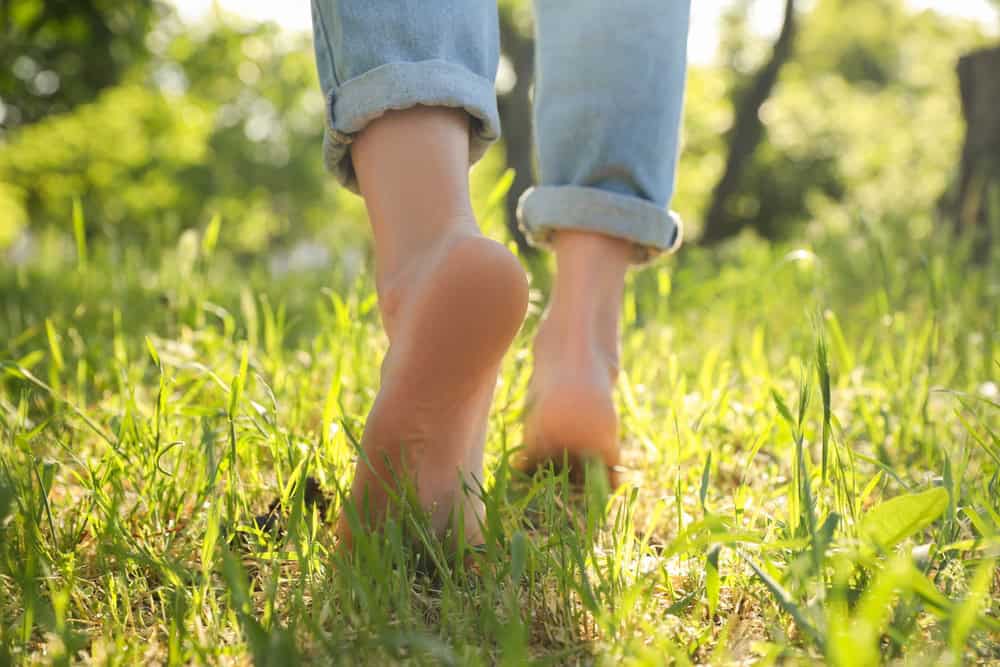
Grounding is a wellbeing practice based on direct physical contact with the earth, such as walking barefoot on grass or sitting on a sandy beach. Supporters believe this connection may influence sleep, stress and physical comfort, although scientific evidence remains limited and further research is needed. The appeal of a grounding practice often lies in its simplicity: it encourages you to slow down, spend time outside and pay attention to how your body feels.
The Ancient Wisdom of Grounding
People have walked barefoot, slept close to the ground and gathered outdoors for thousands of years, perhaps even inspiring the modern trend of bringing the outdoors in. Many traditional cultures also treated contact with the natural environment as part of everyday life, long before the term ‘grounding’ became associated with modern wellness.
The basic idea is sometimes called earthing. It involves placing bare skin against a natural surface such as soil, grass, sand or stone. Claims about transferring the earth’s electrical charge into the body are still being studied, so grounding shouldn’t be treated as a medical therapy. Its more established value comes from creating a quiet, sensory pause outdoors, where fresh air, natural light and gentle movement can support general wellbeing.
Modern Life and Our Disconnection
Daily routines now involve long hours indoors, synthetic flooring and constant screen use. You might move from bed to car, train or desk without spending more than a few minutes outside. That pattern can affect mood, movement levels and exposure to daylight, especially during winter.

Reconnection can start at home. Some people explore products such as grounding sheets when they want to incorporate the concept into their indoor routine. If you’re considering one, check the manufacturer’s instructions, electrical compatibility and care guidance before use. Products of this kind shouldn’t replace outdoor time, healthy sleep habits or professional advice for persistent symptoms.
Simple Ways to Reconnect Daily
Start with ten minutes in a safe green space. Stand barefoot on clean grass, sit with your feet on the ground or take a slow walk while noticing temperature, texture and sound. Check the area carefully for sharp objects, animal mess and irritating plants.
Gardening offers another practical option because it combines contact with soil, light activity and time outdoors. If removing your shoes isn’t suitable, you can still benefit from observing nature, breathing steadily and stepping away from notifications. Research into green spaces and wellbeing links contact with natural environments to benefits including stress reduction and improved mood. Consistency matters more than spending hours outside on a single occasion.
Bringing the Earth’s Benefits Indoors
An open window, indoor plants and natural materials can make a room feel more connected to the outdoors, though they don’t electrically ‘ground’ the body. Place a chair near daylight for your morning tea, grow herbs on a kitchen windowsill or keep a textured stone from a meaningful walk on your desk.

A short sensory exercise can also help when outdoor access is limited. Put both feet on the floor, relax your shoulders and identify five things you can see, four you can feel and three you can hear. This familiar grounding technique uses attention to settle an overloaded mind. It shares a name with earthing but works through sensory focus, not physical contact with soil.
A Holistic Approach to Modern Living
Grounding fits best within a wider routine that includes regular movement, nutritious meals, daylight and enough sleep. No mat, outdoor ritual or breathing exercise can compensate for ongoing exhaustion or untreated health concerns. Speak to a qualified healthcare professional if pain, anxiety or disrupted sleep continues.

Keep expectations realistic as you experiment. Notice specific changes, such as how quickly you settle at night or whether an outdoor lunch break leaves you calmer for the afternoon. A simple seven-day note on your phone can reveal more than vague impressions. The most useful form of reconnection may be remarkably ordinary: ten quiet minutes with your feet on the grass and your phone left indoors.
Ravish Magazine – discover more stories, insights and ideas from your UK lifestyle magazine.