 Skip to content


8 Ways to Modernise Your Home Without Losing Its Luxurious Feel
Modernising your home doesn’t have to involve stripping away its original features, replacing expensive furniture or embracing every new interior design trend. In fact, some of the most beautiful contemporary homes successfully combine traditional character with modern comforts, creating spaces that feel both sophisticated and inviting.
The secret to modern luxury interior design lies in balancing timeless elegance with contemporary functionality. From thoughtfully chosen materials and furniture to clever lighting and discreet technology, relatively small changes can make a significant difference.
Whether you’re refreshing a period property or updating a more recently built home, these eight ideas will help you achieve a stylish, luxurious interior that stands the test of time.
1. Preserve Your Home’s Original Character
Before making changes, identify the architectural features that give your property its personality.
Original fireplaces, decorative cornicing, wooden flooring and traditional doors can all contribute to a home’s appeal. Removing these details in pursuit of a contemporary aesthetic may actually diminish its character.
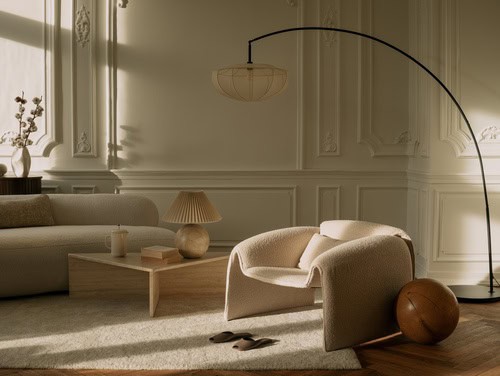
Instead, introduce modern elements that complement existing features.
A traditional fireplace can look striking alongside contemporary furniture, while original wooden floors provide warmth beneath minimalist furnishings. Modern lighting can also highlight period architecture without overwhelming it.
The objective is to create a natural relationship between old and new, allowing the property’s distinctive features to remain part of its identity.
2. Choose Contemporary Furniture with Timeless Appeal
Furniture has an enormous influence on the appearance of a room, making it one of the easiest ways to introduce a contemporary feel.
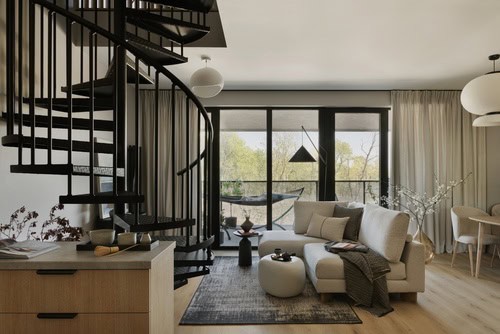
Look for elegant pieces with clean lines, balanced proportions and high-quality finishes. A beautifully upholstered sofa, sculptural coffee table or contemporary dining chairs can refresh an interior without requiring a complete redesign.
However, avoid replacing furniture simply because it isn’t new.
Antique cabinets, traditional armchairs and inherited pieces can sit beautifully alongside contemporary designs, creating an interior that feels individual rather than overly coordinated.
Pay particular attention to scale. Oversized furniture can make rooms feel crowded, while carefully proportioned pieces allow the architecture and surrounding space to breathe.
Modern luxury is often achieved by choosing fewer, better-quality items rather than filling a room with expensive furniture.
3. Introduce a Sophisticated Colour Palette
Colour is one of the most affordable ways to transform a home’s atmosphere.
Warm neutrals such as ivory, stone, taupe and soft grey create a versatile backdrop for furniture, artwork and decorative accessories. However, contemporary luxury interiors needn’t be entirely neutral.
Deep olive green, navy, burgundy and chocolate brown can introduce richness and personality, particularly when balanced with lighter furnishings and natural materials.
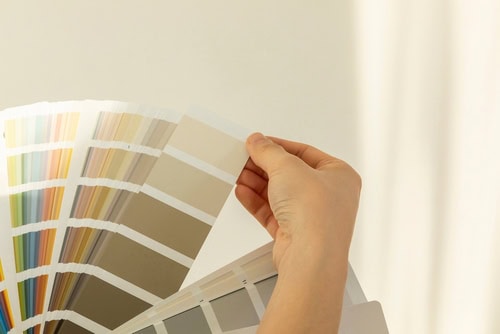
For a cohesive interior, select a limited palette of complementary colours and repeat them subtly throughout the room.
Before decorating, test paint samples in different lighting conditions. Colours can appear dramatically different depending on the direction of natural light and the type of artificial lighting used.
Choosing colours that complement your home’s architecture will generally produce a more enduring result than following short-lived trends.
4. Use Lighting to Create a Luxurious Atmosphere
Thoughtful lighting can completely change how a room looks and feels.
Rather than relying on one central ceiling fixture, combine ambient, task and accent lighting to create depth and flexibility.
Table lamps introduce warmth into living rooms, while adjustable wall lights can illuminate artwork or architectural details. Sculptural pendants and contemporary chandeliers can also become attractive focal points.
Carefully positioned accent lighting can draw attention to fireplaces, decorative shelving and other distinctive features.
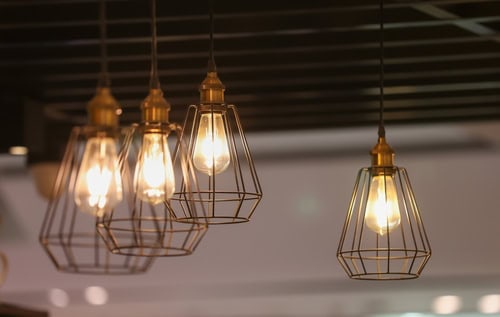
Consider installing dimmer switches where suitable, allowing you to adjust brightness for different activities and times of day.
Warm lighting often works particularly well in bedrooms and sitting rooms, creating an inviting atmosphere without sacrificing sophistication.
The most successful lighting schemes combine practical illumination with softer decorative elements, ensuring every space feels comfortable as well as beautiful.
5. Incorporate Smart Home Technology Discreetly
Modern technology can improve convenience and comfort without disrupting a carefully designed interior.
Automated blinds, intelligent heating controls, integrated speakers and programmable lighting are all examples of smart home technology that can complement contemporary living.
The key is to ensure these features remain visually unobtrusive.
Motorised curtains can blend seamlessly into traditional window treatments, while integrated kitchen appliances help maintain clean cabinetry lines.
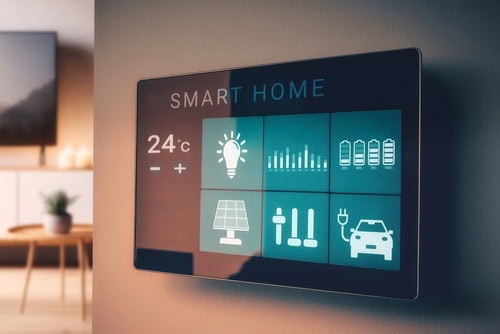
Smart lighting systems can also provide greater flexibility, allowing homeowners to adjust brightness and create different atmospheres throughout the day.
Before investing, consider compatibility, ease of use and whether the technology will continue to meet your needs.
A luxurious home should benefit from modern innovation without resembling a technology showroom.
6. Invest in Beautiful Materials and Textures
Quality materials play an essential role in creating a sophisticated interior.
Natural stone, solid wood, leather, linen and wool bring depth and character to contemporary spaces, while glass and brushed metal can introduce a more modern finish.
Combining contrasting textures creates visual interest.
A marble coffee table positioned beside a soft upholstered sofa, for example, offers an attractive contrast between smooth and tactile surfaces. Similarly, timber furniture can soften a minimalist interior and prevent it from feeling cold.
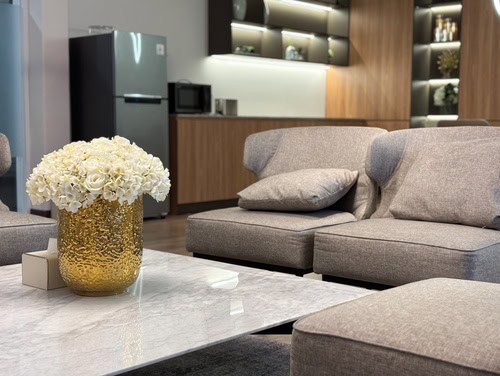
Consider practicality alongside appearance. Natural stone may require additional maintenance, while certain upholstery fabrics are better suited to busy households than others.
Luxury should never come at the expense of everyday comfort. Choosing durable, beautifully finished materials ensures your home remains enjoyable to live in as well as attractive to look at.
7. Consider Professional Luxury Interior Design
For larger renovations or properties with distinctive architectural features, professional guidance can help bring different design elements together.
Experienced interior designers can advise on furniture proportions, colour schemes, lighting, materials and spatial planning, helping homeowners create a cohesive result.
This can be particularly valuable when combining contemporary interiors with traditional architectural details.
For homeowners considering professional luxury interior design, establishing a clear brief and realistic budget is an important starting point.
Consider how individual rooms will be used, which original features should remain and where investment will make the greatest difference.
A well-planned design should reflect your personal preferences and lifestyle rather than simply reproducing a fashionable look.
Professional advice may also help prevent expensive purchasing mistakes and ensure that furniture, finishes and lighting work harmoniously together.
8. Personalise Your Home with Art and Accessories
The finishing touches are often what transform a beautifully decorated property into a distinctive home.
Contemporary artwork can create an interesting contrast against traditional architectural features, while sculptural ceramics, decorative lighting and carefully chosen accessories introduce personality.
A large abstract painting above a period fireplace, for instance, can become a striking focal point without changing the room’s original character.
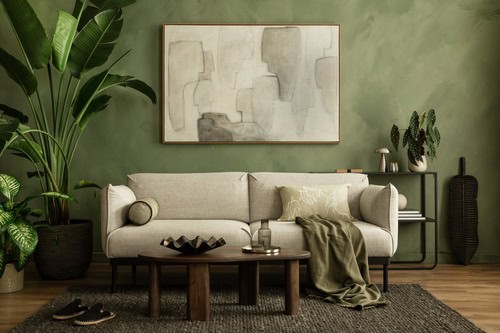
Avoid overcrowding surfaces with decorative objects. Instead, select a smaller number of meaningful pieces and give them sufficient space to be appreciated.
Thoughtful storage also contributes to a luxurious atmosphere. Built-in cabinetry, attractive shelving and discreet cupboards help reduce clutter while keeping everyday essentials accessible.
Ultimately, the most successful interiors feel personal and comfortable rather than excessively styled.
How to Create a Modern Luxury Home on a Budget
Achieving a luxurious appearance doesn’t necessarily require a substantial renovation budget.
Prioritise investments in elements that are expensive or difficult to replace, such as flooring, regularly used furniture and permanent lighting.
Less costly improvements can be equally effective. Repainting walls, updating lampshades, rearranging existing furniture and replacing dated accessories can give a room a noticeably fresher appearance.
Reupholstering a favourite armchair or refinishing an existing wooden table may also be worthwhile alternatives to purchasing something new.
The key is to concentrate on improvements that offer lasting visual appeal and genuine practical benefits.
Creating a Home That Feels Modern Yet Timeless
The most successful modern luxury interiors are not defined by expensive purchases or dramatic transformations. They emerge from thoughtful decisions that balance appearance, functionality and individuality.
By preserving architectural character, introducing contemporary furniture, investing in beautiful materials and making considered use of technology, it’s possible to create a home that feels fresh without losing its original charm.
Above all, modern luxury interior design should enhance the way you live, creating surroundings that feel elegant, welcoming and comfortable for years to come.